Last updated November 21, 2026
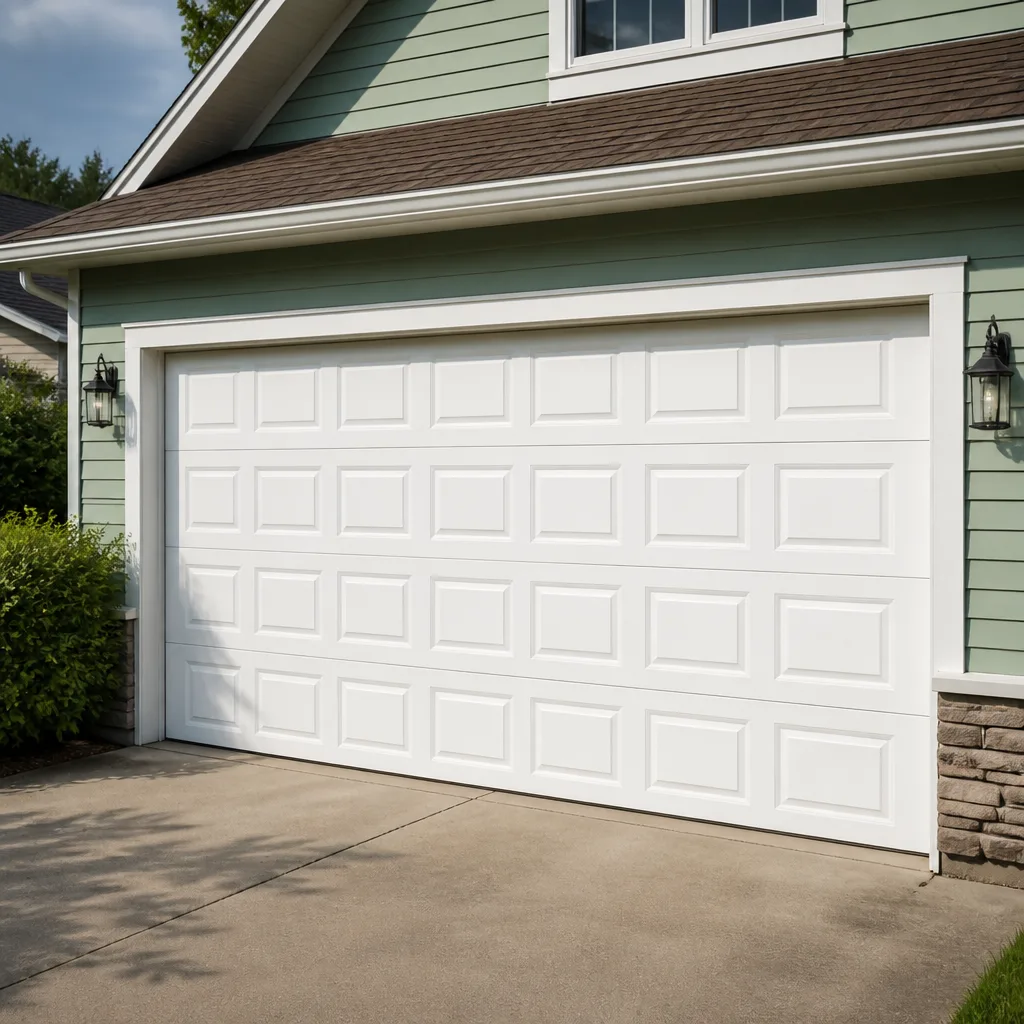 Raised-panel steel
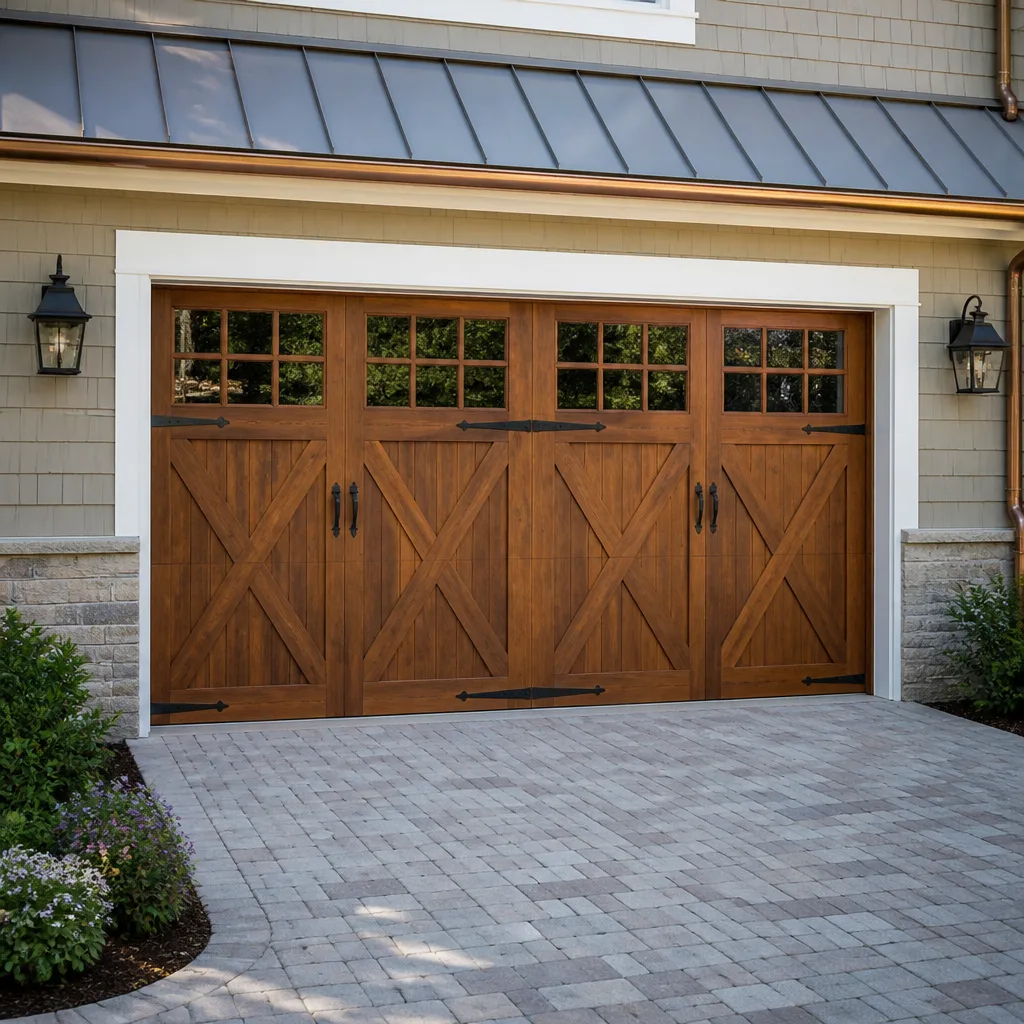 Carriage house
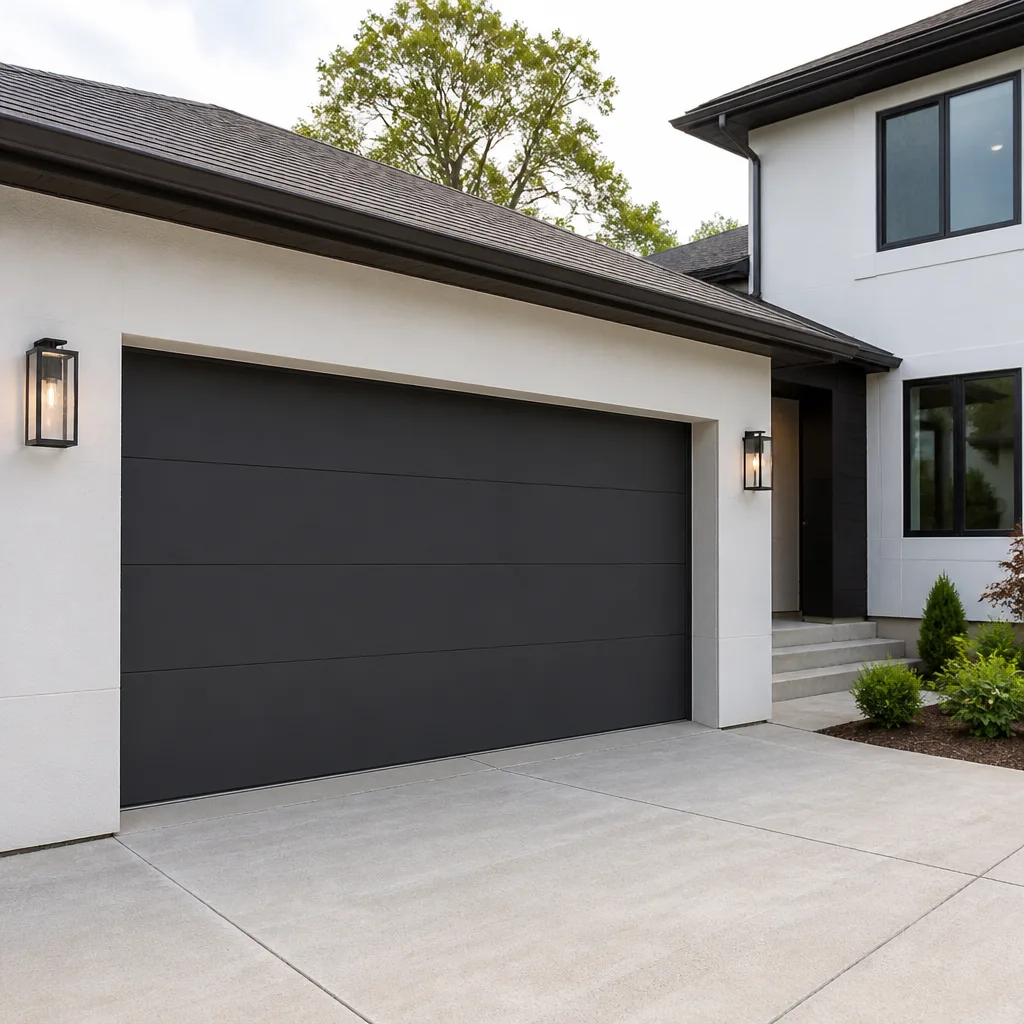 Modern flush
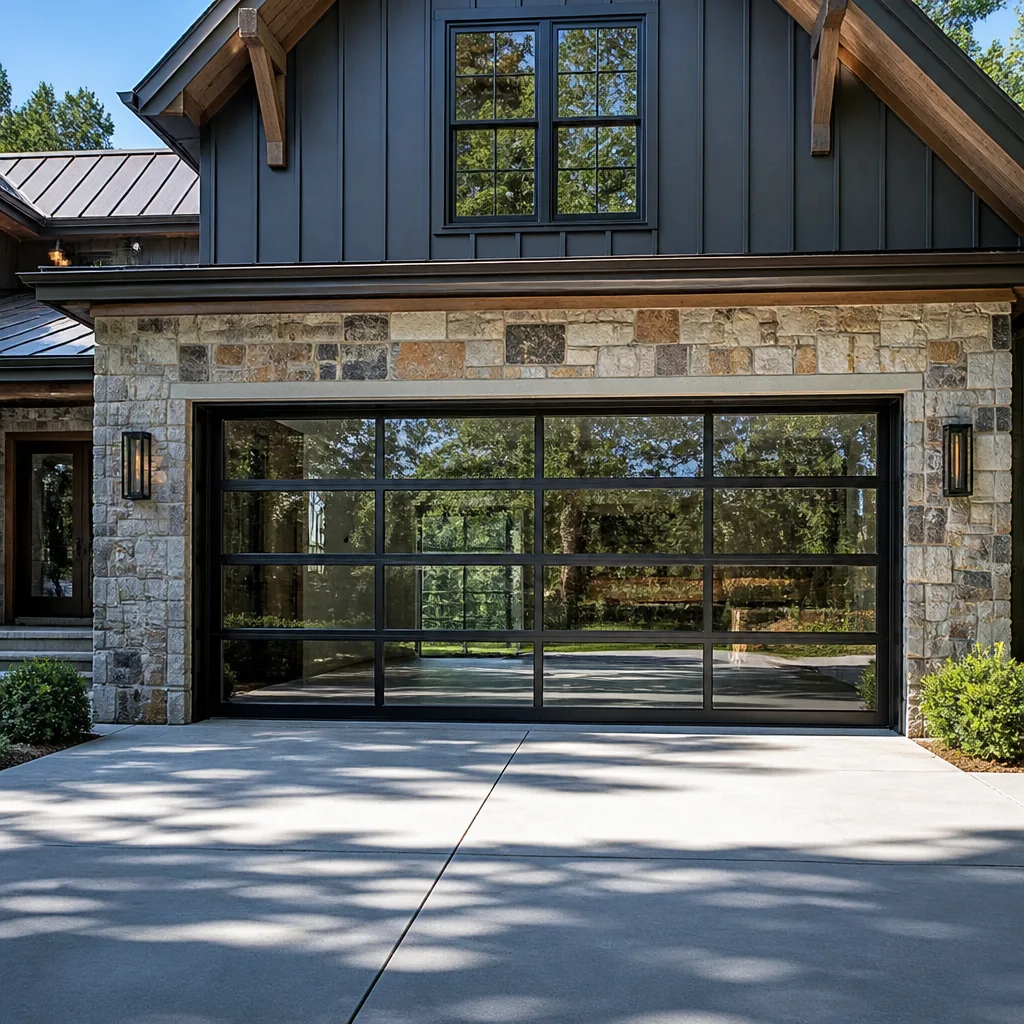 Full-view glass
 LiftMaster openers
 Chamberlain openers
Full 25-point door and opener safety check with every visit - springs, cables, rollers, tracks, and your LiftMaster or Chamberlain opener included
You get a price before we start. It does not change when the pro arrives.
Get your free estimateSeasonal Garage Door Care for Fort Lee: Year-Round Homeowner’s Guide
Most homeowners in Fort Lee treat garage door care as a winter job. They grease the tracks in December, then forget the door until something breaks. The truth is that the most punishing season for your door isn’t January. It’s the weeks when the temperature swings 40 degrees in two days, usually late November and early March, when metal hardware expands and contracts fast enough to fatigue springs and split rubber seals. Those transition windows are where the real damage starts, and they’re what most maintenance advice skips. This guide is built around them: what to check, when to check it, and which products actually hold up across Fort Lee’s temperature range.
Quick Answer
Seasonal garage door care in Fort Lee works best when you focus on three transition windows rather than four equal seasons: late October (before the first hard freeze), early March (after the last one), and mid-summer (when humidity peaks). April and September matter least. Prioritize the bottom weatherseal, torsion spring lubrication, and panel alignment at each window, and you’ll catch most failures before they leave you with a door that won’t close.
Styles & brands we work with
- Raised-panel steel
- Carriage house
- Modern flush
- Full-view glass
- LiftMaster openers
- Chamberlain openers
Table of Contents
- Why Fort Lee’s Freeze-Thaw Cycles Beat Up Garage Doors
- The Late-October Pre-Freeze Checklist
- Why March Is the Highest-Failure Month for Springs
- Summer Humidity and Wood Door Panels
- A Door That Feels Heavy in January: What It Means
- Which Lubricants Actually Hold Up in Fort Lee
- Opener Care by Season
- How to Inspect Your Own Door Safely
Why Fort Lee’s Freeze-Thaw Cycles Beat Up Garage Doors
Fort Lee sits in a climate band where the temperature climbs above freezing during the day and drops back below it at night, again and again, from late November into March. Each one of those cycles contracts metal hardware and then expands it. Torsion springs, hinges, rollers, and track fasteners all move in tiny amounts. Over a single season, that’s dozens of moves.
Sustained cold alone is easier on a door than people assume. Metal that stays cold stays the same size. It’s the back-and-forth that fatigues it. Most of the spring failures we see in Fort Lee trace back to that pattern, not to a single deep cold snap.
Rubber parts take the same beating. The bottom weatherseal sits close to concrete, which stays colder than the air, and it flexes every time the door closes on it. Warm days make it soft, cold nights make it stiff, and after enough cycles it cracks or tears.
If you live in a neighborhood like Coytesville, where driveways slope and doors sit low to the ground, the seal works harder because water pools against the bottom rather than draining away. In high-rises near the Hudson Lights area, by contrast, the garage is often heated, so the door sees less of the swing. Same town, different failure patterns.
What this means for planning
- Spring and seal failures cluster around transition weeks, not mid-winter
- Hinge and roller wear shows up slowly and is cheaper to catch early
- Wood and composite doors react to humidity more than temperature
- A door that sat through one mild winter isn’t safe the next
The Late-October Pre-Freeze Checklist
Late October is the most valuable maintenance window of the year in Fort Lee. You want to do the work before the first hard freeze, because cold makes lubricant thick and rubber stiff, and neither condition makes inspection easy. Here’s the order we follow on a pre-winter check.
- Test the bottom seal’s flexibility. Press the seal with your thumb. It should deform and spring back. If it feels hard or crumbles at the edge, it will crack during the first cold snap.
- Look for gaps at the floor. Shine a light along the inside of the closed door. Visible light means the seal isn’t compressing against the concrete, and cold air and water will get in all winter.
- Lubricate the springs. Do this before cold sets in. Torsion springs that are greased in warm weather hold the coating longer than springs greased in January, when the oil sits on the surface.
- Check hinge screws. Tighten any that turn easily. Loose screws become stripped holes after one winter of vibration.
- Clear the tracks. Wipe them down and check for debris. Leaves and grit work into rollers over the winter.
- Run the door through two full cycles and listen. Grinding, squealing, or a popping sound at the top of travel is a warning.
If your door is an older steel model from Amarr or Wayne Dalton, pay extra attention to the bottom section. That’s where water sits and where rust starts, and a rusted bottom panel is the most common reason a door gets replaced rather than repaired.
Why March Is the Highest-Failure Month for Springs
March is when the most torsion springs break in New Jersey. Spring steel that has been cycling through freeze-thaw all winter is already weakened, and the first extended warm spell makes it expand past its remaining tolerance. A door that worked all winter often fails in the first week of spring.
We work on garage door spring repair more often in March than in any other month, and the pattern is consistent: the spring doesn’t break in the cold, it breaks when the cold ends.
Your March inspection should cover three things:
- The springs themselves. Look for visible gaps in the coils, especially at the ends. A stretched gap or a spring sitting crooked on the shaft is a warning sign.
- The door balance. Disconnect the opener and lift the door by hand to about halfway. It should stay where you put it. If it drops or needs force to hold, a spring is losing tension.
- The bottom seal again. A seal that survived the winter may still have small cracks that will widen with spring rain.
A torsion spring under tension can cause serious injury if it releases suddenly, so don’t try to adjust or replace one yourself. This is a job for a trained technician who knows how to release and rewind the tension safely. On any door, regardless of brand, spring work is the part of garage door care that should be left to a professional.
Summer Humidity and Wood Door Panels
Wood and wood-composite garage doors in Fort Lee face their own problem in summer: humidity. Wood absorbs moisture through the edges of panels and through any spot where paint has worn thin. When the panel swells, the door changes shape.
Here’s what to watch for:
- Panel edges that feel soft or spongy. Swelling starts at the seams, and it’s easy to miss until the frame shifts.
- A door that no longer closes flush. If the panels have expanded, the door can drag on one side or leave a gap at the bottom.
- Paint bubbles or flaking. Moisture under the paint is doing damage you can’t see yet.
- Sticking in the tracks. Swollen panels press against the track, and the opener works harder to pull the door up.
Once panels swell and the door misaligns the frame, the fix gets expensive. Catching it early is mostly a matter of paint maintenance and keeping the door’s bottom edge dry. If you have a composite door from Clopay or Raynor, the risk is lower than with solid wood, but the seams still need checking.
A Door That Feels Heavy in January: What It Means
If your door worked perfectly in October and feels heavy in January, you almost certainly have a spring tension problem. Cold makes spring steel stiffer, and a spring that was set slightly light in fall will feel noticeably different once temperatures drop. If the door won’t stay up when you lift it halfway by hand, the springs have lost tension.
There are two common reasons:
- The springs were correct and wearing out. A torsion spring near the end of its life weakens slowly, and cold exposes the weakness.
- The springs were never set correctly. If someone adjusted tension in warm weather to compensate, it will feel wrong in cold.
What to do: don’t adjust spring tension yourself. A torsion spring is under constant force, and releasing it incorrectly can cause serious injury. This is exactly the call we handle for homeowners who need their door working again. If you notice the heavy feeling, call for garage door repair and have the springs checked before they break rather than after.
Which Lubricants Actually Hold Up in Fort Lee
The right lubricant depends on where you’re applying it and what the temperature will be. For Fort Lee’s range, which moves from summer humidity to single-digit cold, you need products that don’t get thick in winter or dry out in summer. Here’s how the three main options compare.
- Silicone spray. Best for weatherseals, rollers, and hinges. It stays flexible across the full temperature range, doesn’t collect grit, and won’t break down rubber. This is our go-to for most of the door.
- White lithium grease. Good for metal-to-metal contact, especially the hinge pivots and roller bearings. It stays put longer than silicone but can stiffen in extreme cold, so apply it thinly.
- Oil-based lubricant. Works well for opener chains and moving parts on lift mechanisms. It’s not ideal for seals or tracks because it attracts dust.
What to avoid: heavy grease on the tracks. It collects dirt and turns into a paste. And avoid using the same lubricant everywhere, because the tracks want a light, dry surface, while the springs and hinges need a coating that lasts.
We work on openers from Chamberlain, LiftMaster, Genie, and Craftsman, and the chain-care recommendations vary by manufacturer. If you’re not sure what your opener needs, check the manual or call us for a quick guide.
For new doors or when your existing door needs work beyond routine care, we also handle garage door opener repair and full installations. Our technicians have up to 11 years of experience and have worked on thousands of Fort Lee doors.
Opener Care by Season
Your opener works harder during transition months because the door itself is harder to move. A stiff spring or swollen panel makes the opener work overtime, and that’s when motors and gear assemblies fail. Seasonal care should include the opener, not just the door.
Here’s what to check each season:
- Fall: Test the safety reverse. Place a small object under the door and close it. The door should reverse immediately. If it doesn’t, the adjustment is out of spec.
- Winter: Listen for strain. If the opener sounds like it’s working harder, either the door is binding or the motor is aging.
- Spring: Check the drive belt or chain tension. Loose chains make noise and put strain on the motor.
- Summer: Check the opener’s Wi-Fi connection if it’s a smart model. Extreme humidity doesn’t affect electronics directly, but power fluctuations during summer storms can reset the unit.
Modern openers with Wi-Fi and app connectivity from LiftMaster and Chamberlain need occasional firmware updates, which you can usually do through the app. Older units from Genie and Craftsman may need manual re-calibration after a power outage. We service all of them and can walk you through the settings.
How to Inspect Your Own Door Safely
Some seasonal checks are safe for homeowners; others aren’t. Here’s a safe inspection routine you can do yourself each season, and a clear list of what to leave to a professional.
Safe to do yourself:
- Visual inspection of seals, panels, and tracks (no tools needed)
- Testing the door’s balance by hand with the opener disconnected
- Testing the safety reverse feature
- Lubricating hinges and rollers with a light spray
- Listening for unusual sounds during operation
- Wiping down tracks and clearing debris
Leave to a professional:
- Adjusting or replacing torsion springs (dangerous under tension)
- Replacing cables (also under tension)
- Adjusting the counterbalance system
- Fixing a door that has fallen off track
- Electrical work on the opener
We’ve seen the results of DIY spring work more than once this season alone. It’s the one job where saving money isn’t worth the risk. If you have a door that needs repair or you’re not sure whether something’s a problem, give us a call. We work on doors from Amarr, Wayne Dalton, Raynor, Clopay, and every other major brand, and we can tell you in a minute whether it needs attention.
Common Mistakes to Avoid
- Waiting until January to do the fall check. By then, cold has already made the spring and seals stiff, and the inspection is harder to do properly.
- Greasing the tracks. Tracks want a clean, dry surface, not oil. Grease collects grit and turns into a paste that binds the rollers.
- Ignoring the bottom seal. A cracked seal lets cold air, water, and small animals into the garage, and it makes the door work harder to close.
- Adjusting spring tension yourself. Torsion springs are under constant force and can cause serious injury if released incorrectly.
- Skipping the March check. March is the month when springs fail most often in Fort Lee, so it deserves its own inspection.
- Letting wood panels swell without action. Once a wood panel swells, the door misaligns, and the fix involves more than paint.
- Testing the safety reverse with a person or pet in the way. Use a small object or a piece of wood, not a person, to check the reverse.
If you live near the George Washington Bridge approach, where heavy traffic and road salt can throw grit onto your driveway, add a quick track wipe to your spring checklist. It’s a small step that saves wear on rollers.
If you’re in a high-rise or townhome in Fort Lee and your garage door shares a wall with a living space, seal care matters even more. A split seal lets cold air into the garage, and the unit above it feels it. Checking the seal in October is easier than dealing with a draft in February. For more help with any of these issues, visit our page on Garage Door Repair Fort Lee for the full service list.
See the difference
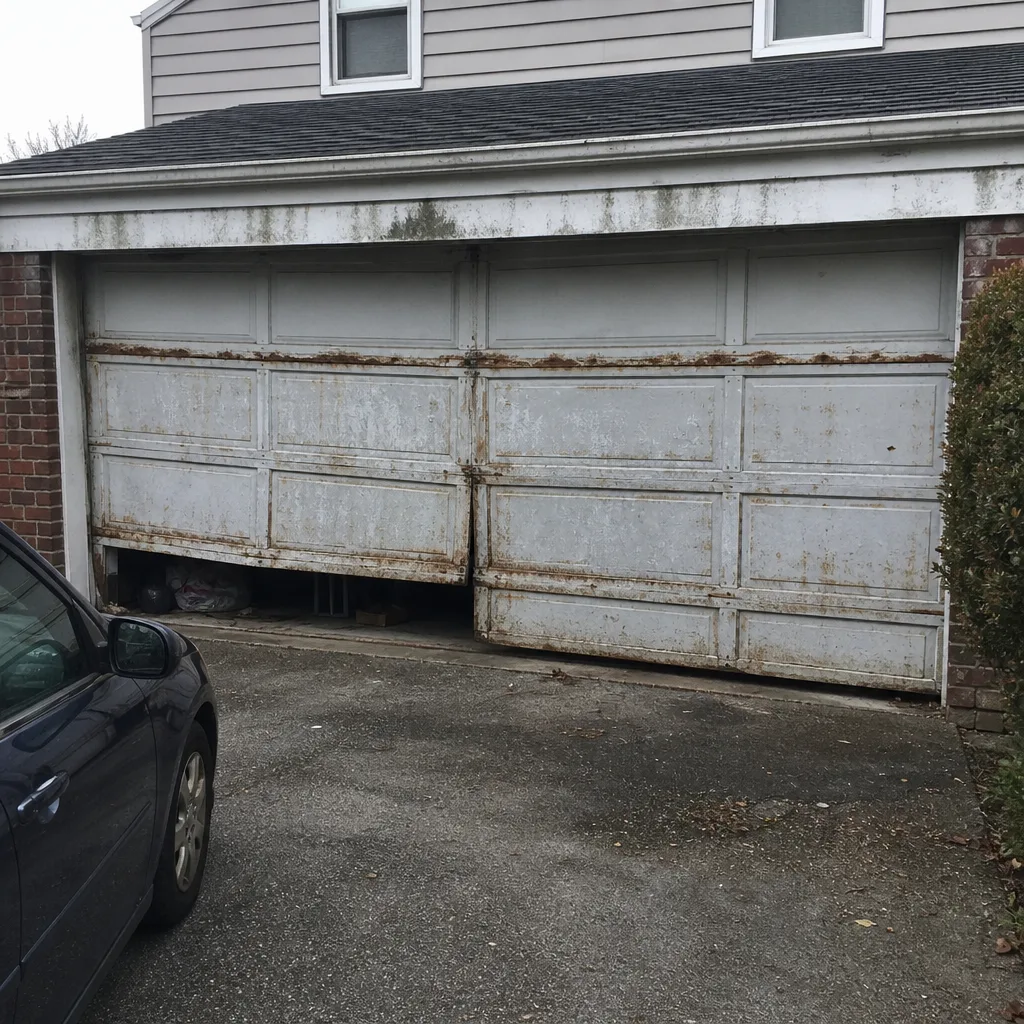 Before
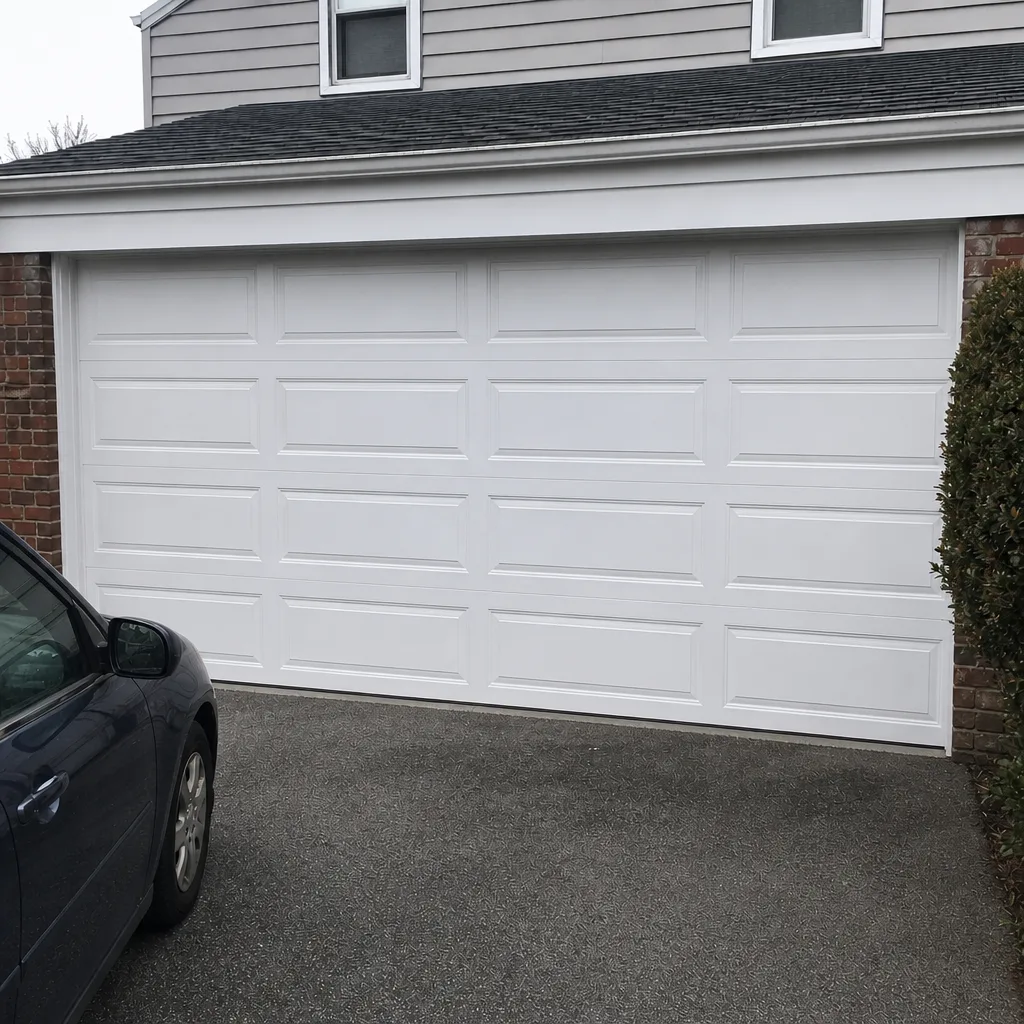 After
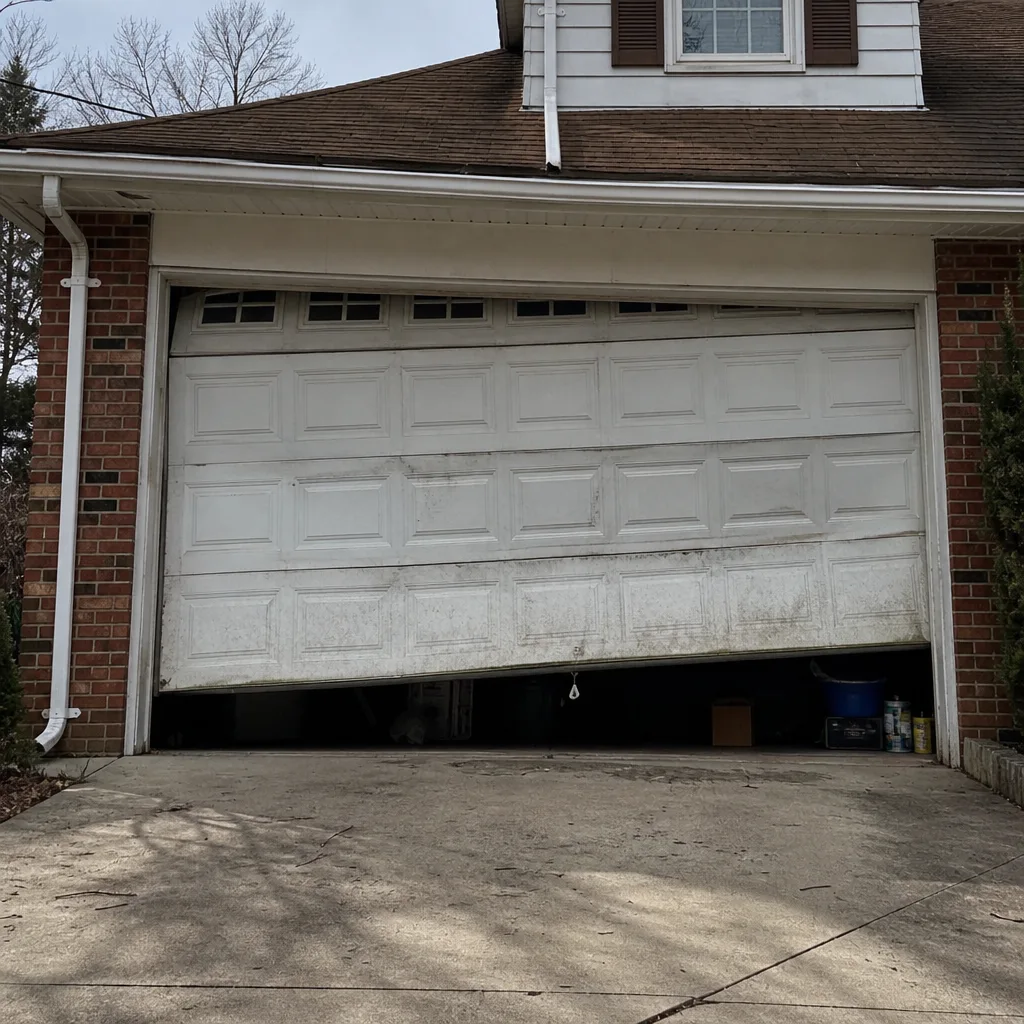 Before
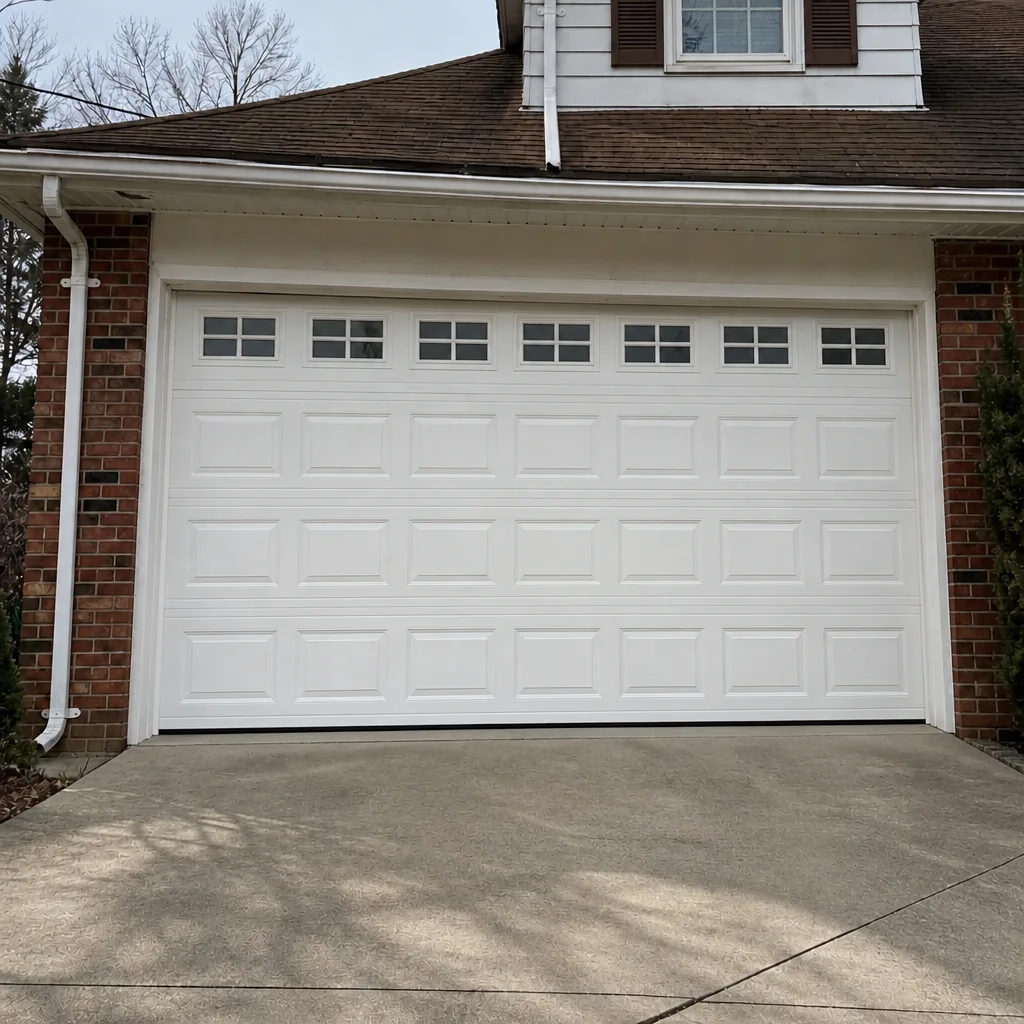 After
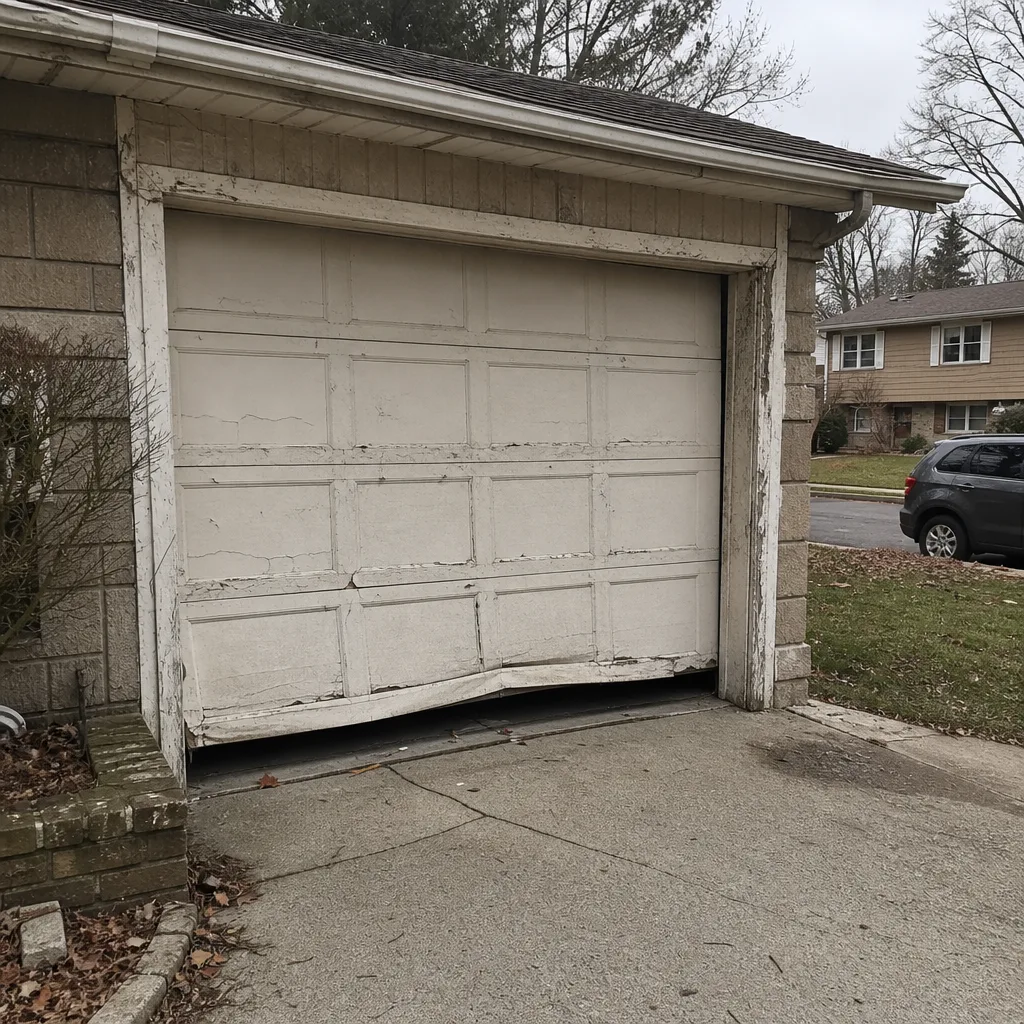 Before
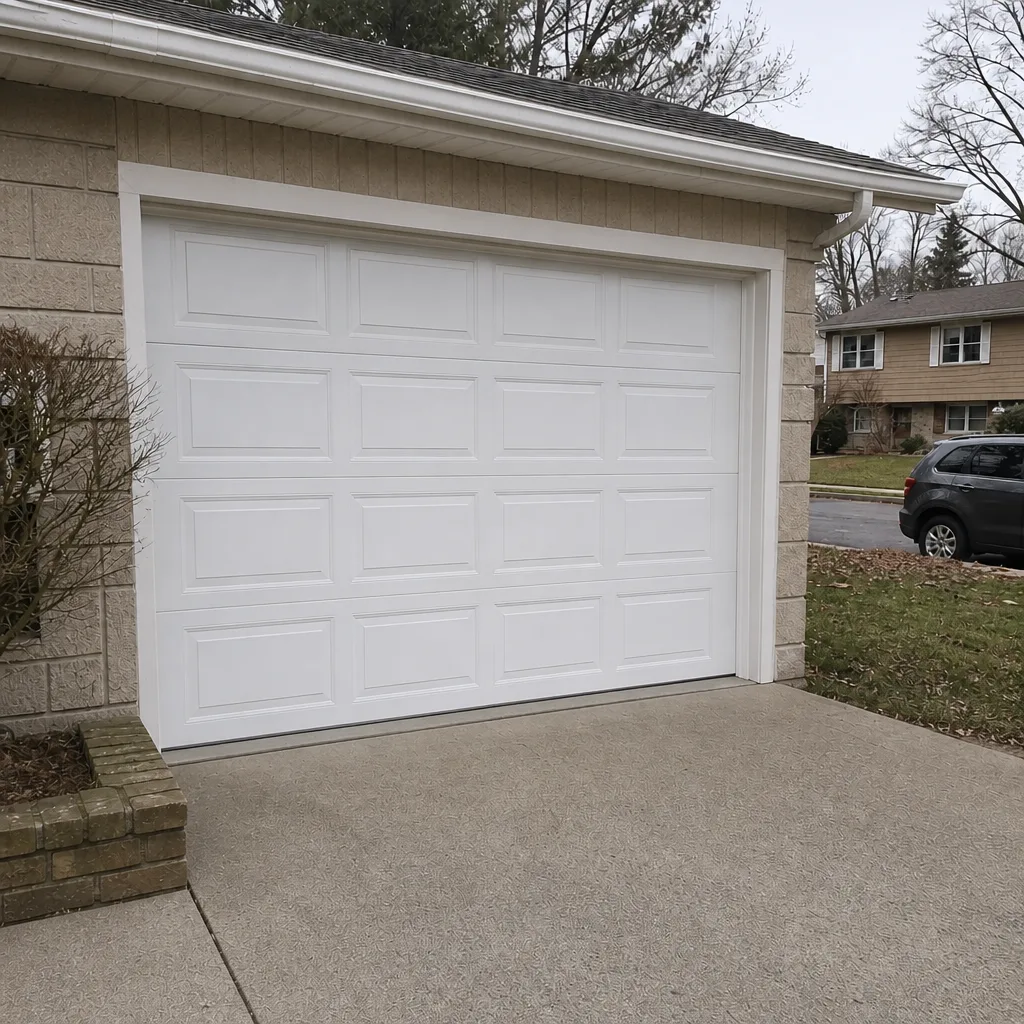 After
When to Call a Professional
Some problems are worth a call the moment you notice them. If your door won’t close all the way because a spring has lost tension, if the door has come off track, or if the opener runs but the door doesn’t move, it’s time for a technician. Same goes for any spring that’s visibly broken or out of alignment. Even if the door still opens, a broken spring means the door is being lifted by the opener alone, which will eventually burn out the motor.
Frayed or snapped cables are another stop-now problem. They’re under tension and can snap back dangerously. And if you’ve tried to fix the door yourself and it’s still not right, a professional can diagnose what’s happening in minutes instead of hours.
Garage Door Repair Fort Lee offers free estimates in Fort Lee. Call (877) 806-9927.
Frequently Asked Questions
Twice a year is ideal: once in late October before the first freeze and once in March after the last one. Those windows catch the most common failures in Fort Lee’s freeze-thaw climate. A quick summer check for wood doors and a light opener test round out the year.
March brings the first extended warm period after months of freeze-thaw cycles. Spring steel that has been expanding and contracting all winter is already weakened, and the sudden warmth pushes it past what’s left. That’s why we see more spring failures in March than in the coldest weeks of January.
Yes, for hinges, rollers, and tracks. Use silicone spray for seals and rollers, and light grease for hinge pivots. Do not lubricate the tracks with oil or grease. And never attempt to lubricate or adjust a torsion spring under tension. Leave that to a technician.
Silicone spray for seals and rollers, because it stays flexible from summer humidity down to single-digit cold. White lithium grease works for hinge pivots. Avoid heavy grease, which thickens and collects grit in cold weather.
Most likely yes. Cold stiffens spring steel, and a spring that was set correctly in fall can feel weak once temperatures drop. If the door won’t stay halfway up by hand, call for service. Don’t try to adjust the tension yourself.
Yes, wood and wood-composite panels absorb moisture through the seams and swelling is common in summer. Watch for spongy edges, paint bubbles, and a door that no longer closes flush. Early paint maintenance prevents most of it.
Check the bottom seal for cracks, the springs for visible gaps, the door balance, and whether the door closes fully. If anything looks off, call for a professional inspection before the spring thaw, when failures happen most.
The Bottom Line
Fort Lee’s garage doors don’t fail in deep winter; they fail in the freeze-thaw cycles around it. Focus on late October and early March, check the seals, springs, and balance each time, and use lubricants that hold up across the temperature range. The rest of the year needs less attention, but not none. A door that’s inspected twice a year is far less likely to fail when you need it most. If you’re not sure whether something is a problem, call us for a free estimate and we’ll walk you through it.
One call covers spring repair, opener repair, and a new door installation if you need one. For the full range of what we handle, visit our main page at Garage Door Repair Fort Lee, and call (877) 806-9927 for a free estimate.
Written by the team at Garage Door Repair Fort Lee.