Last updated November 21, 2026
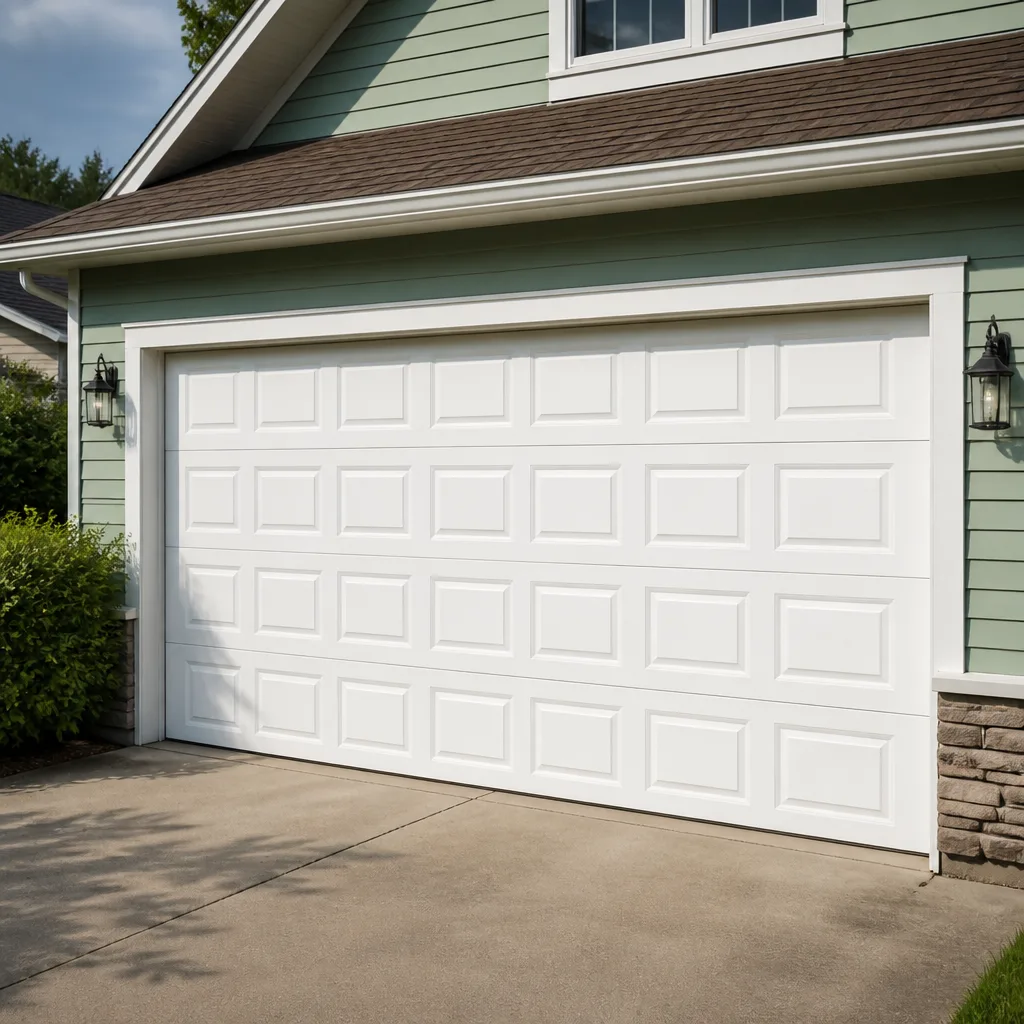 Raised-panel steel
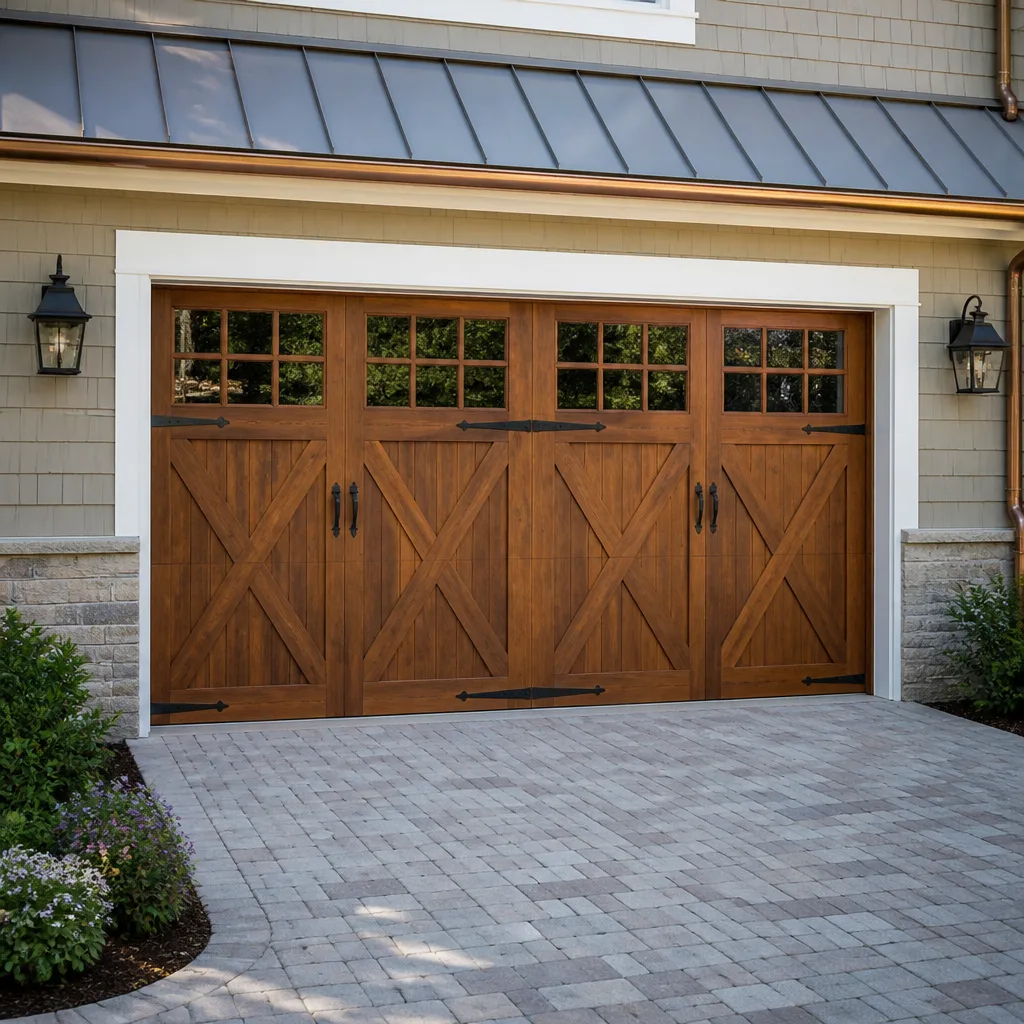 Carriage house
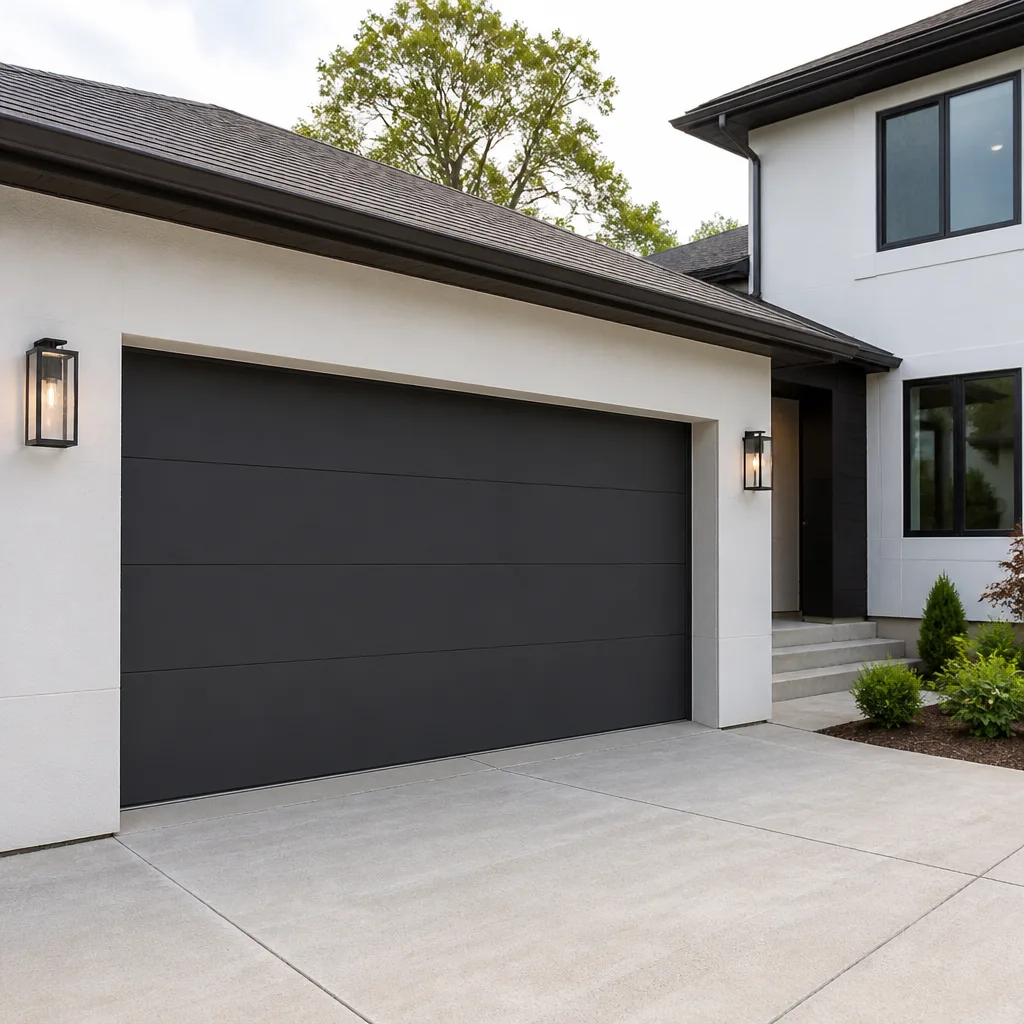 Modern flush
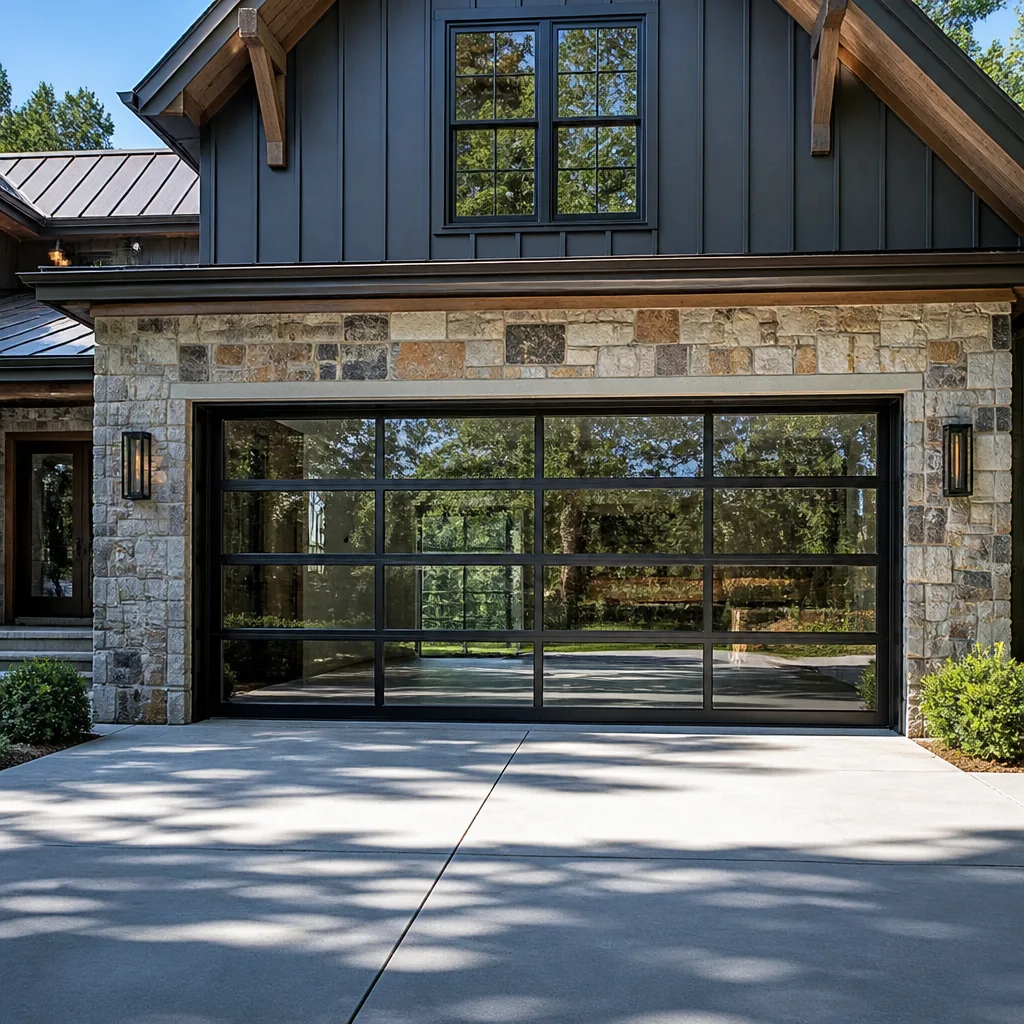 Full-view glass
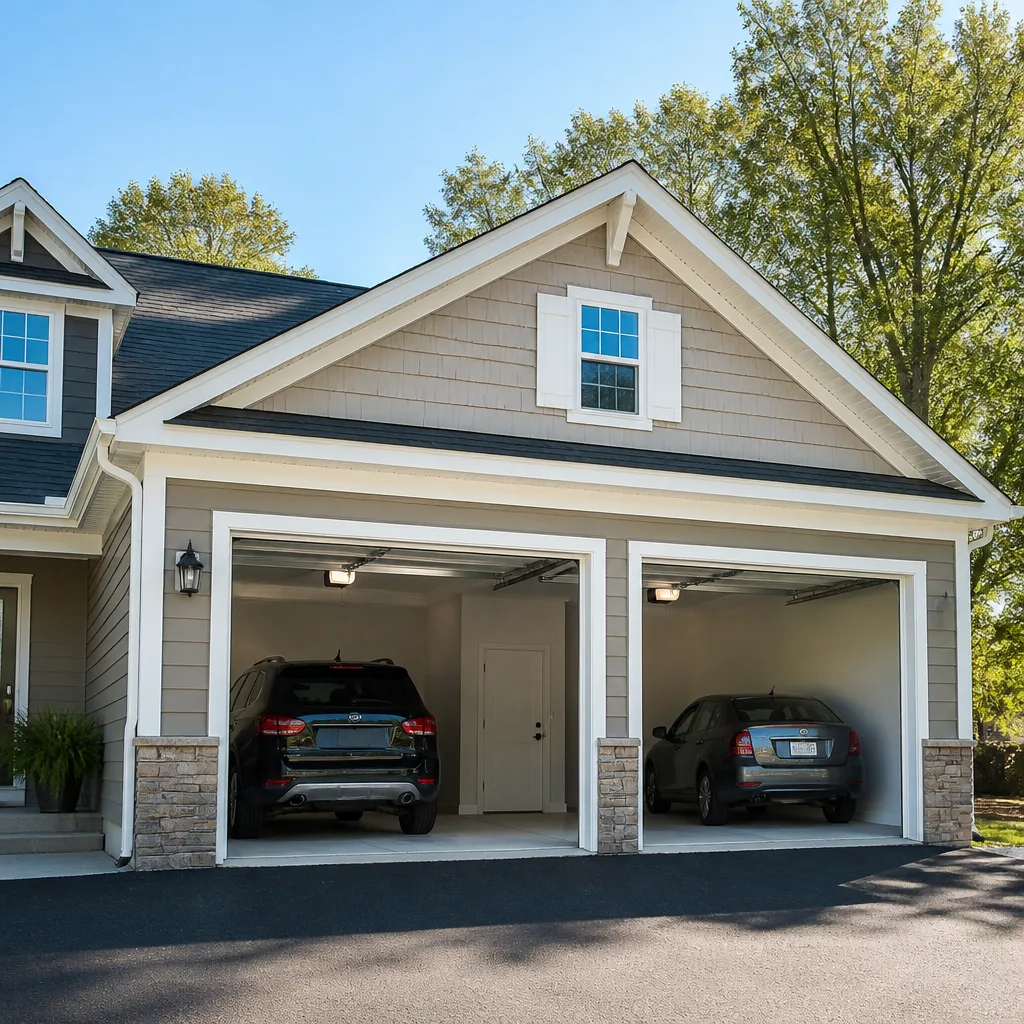 LiftMaster openers
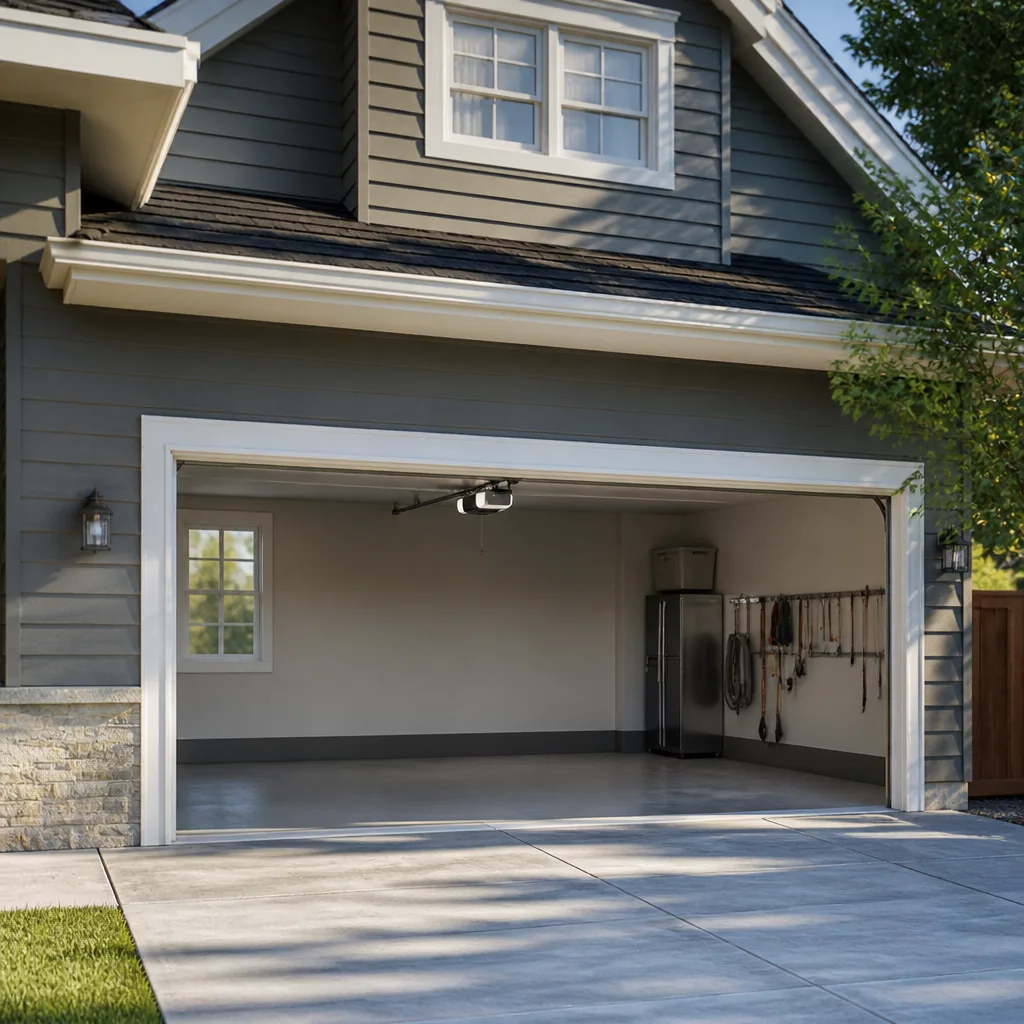 Chamberlain openers
Full 25-point door and opener safety check with every visit - springs, cables, rollers, tracks, and your LiftMaster or Chamberlain opener included
You get a price before we start. It does not change when the pro arrives.
Get your free estimateDIY vs Professional Garage Door: The Fort Lee Homeowner’s Decision Guide
A torsion spring stores roughly 100 foot-pounds of torque. That’s not a scare tactic, and it’s not a reason to call a professional for everything. It’s the reason the DIY-versus-professional question for garage doors has a precise answer instead of a fuzzy one: the line isn’t drawn at “how hard does this feel,” it’s drawn at which tasks carry stored mechanical energy that can hurt you when it releases. Every trained technician carries winding bars for spring work because improvised substitutes are behind most DIY spring injuries. This guide draws that line task by task, so you stop paying for work you can do yourself and stop risking your hands on work you shouldn’t. Fort Lee homeowners get specific local context throughout, from older attached garages with non-standard spring setups to low-headroom track geometry.
Quick Answer
Do it yourself for weatherstripping, sensor alignment, lubrication, and remote or keypad reprogramming. Call a professional for spring replacement, cable replacement, track realignment, and anything involving a door that has come off its tracks. Spring and cable work involves stored torque and tension that can cause serious injury when released incorrectly, and a professional written estimate costs nothing to get.
Styles & brands we work with
- Raised-panel steel
- Carriage house
- Modern flush
- Full-view glass
- LiftMaster openers
- Chamberlain openers
Table of Contents
- Where the DIY Line Actually Falls
- Five Garage Door Jobs You Can Safely Do Yourself
- Why Spring Replacement Isn’t a Skill Problem
- The Fort Lee Exception: Track Adjustment in Low-Headroom Garages
- DIY vs Professional Cost: The Full Picture
- How DIY Repairs Affect Your Door’s Warranty
- Opener Repairs: When DIY Makes Sense and When It Doesn’t
- Common Mistakes to Avoid
- When to Call a Professional
- Frequently Asked Questions
Where the DIY Line Actually Falls
The garage door is the largest moving object in most homes, and it runs on two different energy systems: the opener’s electrical drive and the door’s mechanical counterbalance. Those two systems have very different risk profiles, and the DIY question gets much easier once you separate them.
Electrical and electronic work on the opener side is generally approachable for a careful homeowner. Sensor alignment, remote pairing, force-limit adjustment on a legacy unit, and lubrication are all low-risk jobs with clear outcomes. If you get it wrong, the door doesn’t move or reverses when it shouldn’t. Annoying, not dangerous.
The mechanical counterbalance side is different. Torsion springs, extension springs, and the cables that run alongside them hold energy even when the door is sitting still and the opener is unplugged. That stored energy is what makes the door feel light enough to lift by hand. It’s also what makes a mistake there capable of breaking a wrist or worse.
Here’s the breakdown in its simplest form:
- DIY-safe: weatherstripping, bottom seal replacement, safety sensor alignment and cleaning, lubrication, remote and keypad programming, visual inspection, tightening visible bolts on the door panels.
- Professional territory: torsion spring replacement, extension spring replacement, cable replacement, drum and bearing plate work, track realignment, roller replacement on a door under tension, and any situation where the door has left its tracks.
- Judgment call: opener replacement, panel replacement, and force or travel-limit adjustments on a modern opener that keeps reversing. Sometimes straightforward, sometimes a sign of a balance problem upstream.
In Fort Lee, that middle category comes up more than you’d expect, because many garages attached to older homes have been retrofitted with newer openers at some point. A modern opener paired with an aging counterbalance can mask a spring problem for months. When the opener finally gives up, the door reveals itself as badly out of balance. For a deeper look at how these failures present on the door side, our Garage Door Repair Fort Lee page covers the most common symptoms.
Five Garage Door Jobs You Can Safely Do Yourself
These are the jobs where DIY genuinely saves money without adding risk. None of them require the door to be under spring tension, and all of them use parts you can pick up at a hardware store or order online.
- Replace the bottom weather seal. The rubber seal along the bottom of the door takes the most wear of any component. Pull the old one out of its retainer, slide in a new one cut to length, and the door seats better against the floor. This also closes the gap that lets cold air and pests in.
- Align and clean the safety sensors. The two small lenses near the floor at each side of the opening need a clear line of sight to each other. Wipe them with a dry cloth, check that the indicator light on each one is solid rather than blinking, and nudge the brackets until they line up. A door that closes partway and reverses is usually one of these.
- Lubricate the moving parts. Hinges, rollers, and the torsion bar bearings benefit from a garage-door-specific lubricant once or twice a year. Avoid heavy grease on the tracks themselves; it collects grit and turns into grinding paste.
- Reprogram remotes and keypads. Whether it’s a Genie or Chamberlain unit, the pairing process is in the manual and takes a couple of minutes. If a remote stopped working after a power outage, this is almost always the fix.
- Do a monthly visual inspection. Look at the springs for gaps or a stretched coil, check the cables for fraying near the drums, and listen for uneven movement. Catching a worn cable before it fails is the single cheapest form of garage door maintenance there is.
Notice what’s missing from this list: anything that requires the door to be disconnected from the opener or locked in the open position. Once you’re working under tension, the calculus changes.
Why Spring Replacement Isn’t a Skill Problem
Homeowners sometimes assume professional spring work is a markup on a job they could learn from a video. It isn’t. The barrier is the tools, not the technique, and the tools exist because of the torque in the spring.
A torsion spring is wound under tension during installation. To remove it safely, the technician has to release that tension in a controlled way, a quarter turn at a time, using two solid steel winding bars inserted into the winding cone. Those bars are sized to fit the cone exactly and are long enough to give leverage and control. There is no hardware-store substitute. Screwdrivers bend. Pry bars slip. Extensions snap. When a substitute lets go mid-wind, the spring unwinds in a fraction of a second and whatever is in its path goes with it. That’s the mechanism behind most DIY spring injuries, and it’s why every trained technician treats the winding bars as the first tool out of the bag.
Extension springs, common on older doors, carry a different risk. They stretch along the sides of the door and store tension in the same way. A broken extension spring whips, and without containment cables it can travel. Older doors in Fort Lee sometimes still have extension springs with no safety containment, which is one of the first things we check.
The work is manageable for a trained technician: our technicians have up to 11 years of experience with spring replacement, and we treat it as a same-day repair in most cases. For the full process and what affects the price, see garage door spring repair. If your spring has already snapped and the door is stuck, that becomes an emergency call rather than a scheduled one.
One more point on the tools: a winding bar set isn’t expensive, and some homeowners have bought one. Owning the tool doesn’t make the job safe. The risk isn’t the bar, it’s the winding, the weight of the door, and the fact that a single slip has no recovery. A trained technician has done the motion hundreds of times and knows what a spring feels like when something is wrong before it fails.
The Fort Lee Exception: Track Adjustment in Low-Headroom Garages
Most DIY guides list track adjustment as a safe homeowner job. Bend the bracket back, snug the bolts, done. That advice comes from garages with standard headroom. A lot of Fort Lee garages, especially on older attached homes and in the neighborhoods climbing the hill toward the Palisades, were built with tight clearances, and low-headroom geometry changes what “adjusting the track” actually means.
In a standard garage, the horizontal tracks sit high enough that the door panels clear a person standing underneath. In a low-headroom garage, the horizontal tracks run close to the ceiling, often with a modified radius on the curve and sometimes a different drum or spring setup to make the door fit. That means:
- The door may need to be held in a precise position to take load off the track before any adjustment, and in a tight garage there’s less room to do that safely.
- The brackets may be mounted to a ceiling structure that wasn’t designed for the load, so loosening one to “straighten” the track can shift more than intended.
- On extension spring systems with low clearance, the cables and springs are closer to the door travel path, so a misadjusted track can put the door in contact with the spring assembly.
We’ve seen low-headroom Fort Lee garages where the previous owner “fixed” a rubbing track by bending the bracket, and the door has been wearing through a cable ever since. The adjustment looked right and the damage was invisible until the cable failed.
So here’s the rule for Fort Lee: if your garage ceiling is close enough to the door that you can’t comfortably stand under the horizontal track when the door is open, treat track work as professional territory. If you have full standard headroom and the track is simply bent from a bump, a careful homeowner can often straighten it. Most of the repair work on this side of the door falls under garage door repair, and a track realignment is usually a quick job once someone with the right tools is looking at it.
DIY vs Professional Cost: The Full Picture
Comparing DIY to professional cost properly means looking at more than the receipt for parts. The professional price includes the part, the labor, the tooling, the disposal of the old component, and the fact that the repair is warrantied. The DIY price includes the part, any tools you have to buy, and the risk of a second repair if the first one doesn’t hold.
Here’s how typical Fort Lee estimates break down by task:
| Task | Typical professional estimate | DIY parts cost |
|---|---|---|
| Torsion spring replacement (one spring) | $180 to $340 | $40 to $90 |
| Matched pair of torsion springs | About twice the single-spring range | $80 to $180 |
| Extension spring replacement (per spring) | $150 to $280 | $25 to $60 |
| Cable replacement (per side) | $120 to $250 | $20 to $50 |
| Track realignment | $100 to $220 | $0 if no parts needed |
| Weather seal replacement | $120 to $250 | $20 to $45 |
| Safety sensor alignment | $80 to $150 | $0 |
A matched pair of springs is usually replaced together, since both springs have lived through the same cycles. That’s why the pair costs roughly twice the single-spring figure. It’s also why a professional quote sometimes looks higher than the homeowner expected: quoting one spring for a door that needs two is a shortcut that comes back in a few months.
On the DIY side, add the cost of tools you don’t own. A proper winding bar set, a cable puller, and a set of good sockets can eat most of the savings on a single spring job. And if the first attempt fails, you’re paying for the professional repair anyway, plus whatever the failed attempt damaged.
Two things keep the comparison honest. First, the price is quoted and agreed before any work starts, so the estimate you get is the price you plan around, not a number that grows once the technician is on site. Second, estimates are free, so the cost of finding out what a professional would charge is zero. Our garage door opener repair page breaks down the opener side of the cost picture if that’s where your problem is.
How DIY Repairs Affect Your Door’s Warranty
A garage door warranty is a contract with conditions, and incorrect installation is one of the conditions that can void coverage. This matters more than most homeowners realize, because a door is a significant investment, and the warranty is often the difference between a covered panel replacement and a full out-of-pocket cost.
Door manufacturers including Clopay, Amarr, and Wayne Dalton build their warranties around proper installation and, in many cases, professional service for structural components. Spring and cable work performed incorrectly, or with the wrong parts, can give a manufacturer grounds to decline a claim on the affected section of the door. That doesn’t mean every DIY repair voids the whole warranty. It means the risk is concentrated exactly where the risk of injury is concentrated: springs, cables, and anything that changes the door’s balance.
What usually keeps a warranty intact:
- Weatherstripping and seals replaced with the correct part for your door model.
- Lubrication and routine cleaning.
- Remote and keypad programming.
- Any repair performed by a technician using manufacturer-specified parts.
What can put coverage at risk:
- Springs replaced with parts that don’t match the door’s original specification. Cycle life, wire gauge, and inside diameter all matter.
- Cables replaced without proper tensioning tools, which can distort the drum or the cable itself.
- Track adjustments that bend brackets rather than realigning them, which can stress the door’s hinges and panels over time.
Before you touch a spring or cable on a door that’s still under warranty, check the paperwork. If you’re not sure what your coverage says, a technician familiar with the door brand can usually tell you what’s covered and what isn’t. We work on Clopay, Amarr, Wayne Dalton, and the other major door brands, so we can read the specification on your door and match it.
Opener Repairs: When DIY Makes Sense and When It Doesn’t
The opener is the more DIY-friendly half of your garage door system, but “more friendly” isn’t the same as “always safe.” The dividing line is whether you’re adjusting a setting or opening the housing.
Safe DIY opener work:
- Reprogramming remotes and keypads after a power outage or a new remote purchase.
- Adjusting the force and travel limits on a modern opener using the labeled controls on the back of the unit.
- Cleaning the safety sensor lenses and checking that both indicator lights are solid.
- Connecting a Wi-Fi-enabled opener to your home network and app.
Work that should go to a professional:
- Replacing the logic board, capacitor, or drive gear.
- Troubleshooting an opener that trips a breaker or shows a fault code you can’t find in the manual.
- Replacing a worn drive belt or chain, which often requires disconnecting the door and rebalancing it afterward.
- Any opener problem where the door itself feels heavy when you lift it by hand. That’s a door balance issue, not an opener issue, and replacing the opener won’t fix it.
We service Genie, Chamberlain, LiftMaster, and Craftsman openers, including the modern Wi-Fi and app-connected models. If your opener is a few generations old and keeps losing its programming after storms, the issue is often the logic board rather than the remote, and a repair is usually faster than a replacement. For a full breakdown of the repair options, garage door opener repair covers the diagnostics in detail.
Common Mistakes to Avoid
- Using a screwdriver as a winding bar. This is the mistake that turns a routine spring job into an injury. Screwdrivers don’t fit the winding cone and they don’t hold torque. If you don’t own the proper winding bars, you don’t have the right tool for the job.
- Replacing one spring of a pair. Springs on a two-spring door wear at the same rate. Replacing one leaves the other one close to failure, and the new spring will wear faster against an old partner. A matched pair is the correct repair.
- Buying an off-the-shelf spring by door size. Fort Lee’s older attached garages often have non-standard spring setups, with custom lengths and wire gauges that don’t match a hardware-store part. The wrong spring changes the door’s balance and can damage the opener.
- “Fixing” a rubbing track by bending the bracket. In a low-headroom Fort Lee garage, that bend can put the door in contact with the spring or cable assembly. The track looked better and the cable wore through.
- Lubricating the tracks with grease. Tracks are meant to run dry or with a light silicone spray. Heavy grease holds grit and turns the rollers into grinding wheels.
- Adjusting spring tension to make a heavy door feel lighter. If the door is heavy, the spring is losing tension, and increasing the winding to compensate just delays the failure. The spring needs replacing, not tightening.
- Ignoring a blinking sensor light because the door still closes. A sensor that intermittently loses its beam will eventually reverse the door at the worst possible moment, often with a car or a person in the path.
When to Call a Professional
Call a professional when the job involves a spring, a cable, a drum, a bent track, or a door that has come off its tracks. Call immediately if the door is stuck open at night, if a spring has snapped and the door is too heavy to lift, or if the door has dropped on one side. Those are same-day, can’t-wait problems, and we offer emergency service for exactly that scenario. Call when a repair involves parts that need to match your door’s specification rather than a generic replacement. And call when the math doesn’t favor DIY: if the tool cost plus the parts cost approaches the professional estimate, the only thing DIY adds is risk.
Garage Door Repair Fort Lee offers free estimates in Fort Lee and can work with your schedule. We’re open Sunday through Friday, 7am to 7pm, and closed Saturday. Call (877) 806-9927 and we’ll get you back up and running.
Frequently Asked Questions
No. Torsion and extension springs store enough energy to cause serious injury when released incorrectly, and the winding bars a professional uses are the only safe tool for controlling that release. Improvised substitutes are behind most DIY spring injuries. If a spring has snapped, call (877) 806-9927 and we’ll schedule a replacement; estimates are free.
Weatherstripping, bottom seal replacement, safety sensor alignment, lubrication, remote and keypad programming, and visual inspection are all safe to handle yourself. Anything involving spring tension, cables, drums, or track realignment in a low-headroom garage should go to a professional. If you’re not sure which category your repair falls into, a free estimate settles it.
It can, particularly if the repair involves springs or cables replaced with parts that don’t match the door’s specification. Most manufacturers, including Clopay and Amarr, build their warranties around proper installation. Check your paperwork before touching a structural component, and if the coverage is unclear, call us and we’ll tell you what your door brand typically requires.
Yes, emergency service is available for a door that won’t close, since that’s a same-day, can’t-wait problem. We’re open Sunday through Friday, 7am to 7pm, and closed Saturday; if you call on Saturday, we’ll book you for Sunday. Call (877) 806-9927 and we’ll get you back up and running.
Typical estimates run $180 to $340 for one torsion spring, and a matched pair is about twice that since both springs are usually replaced together. Extension springs run $150 to $280 per spring. The written estimate sets the final price before any work starts. Call (877) 806-9927 for an exact quote; estimates are free.
Yes. We service LiftMaster, Chamberlain, Genie, Clopay, Amarr, Wayne Dalton, Craftsman, and Raynor doors and openers, including the modern Wi-Fi-connected models. Knowing the specific brand and model means we diagnose faster and carry the right replacement parts. Call (877) 806-9927 to schedule.
The Bottom Line
The DIY-versus-professional question for garage doors comes down to stored mechanical energy. Weatherstripping, sensor alignment, lubrication, and remote programming are yours to handle, and doing them yourself saves real money without adding risk. Springs, cables, drums, and track work are a different category. The tools aren’t a formality, they’re the safety system, and their absence is what makes DIY spring work dangerous. In Fort Lee, add the low-headroom garage geometry many older homes have, which turns a routine track adjustment into a job that can wear through a cable. When in doubt, a free estimate settles it without committing you to anything.
Call Garage Door Repair Fort Lee at (877) 806-9927 for a free estimate. We’re open Sunday through Friday, 7am to 7pm, and closed Saturday.
Written by the team at Garage Door Repair Fort Lee.
See the difference
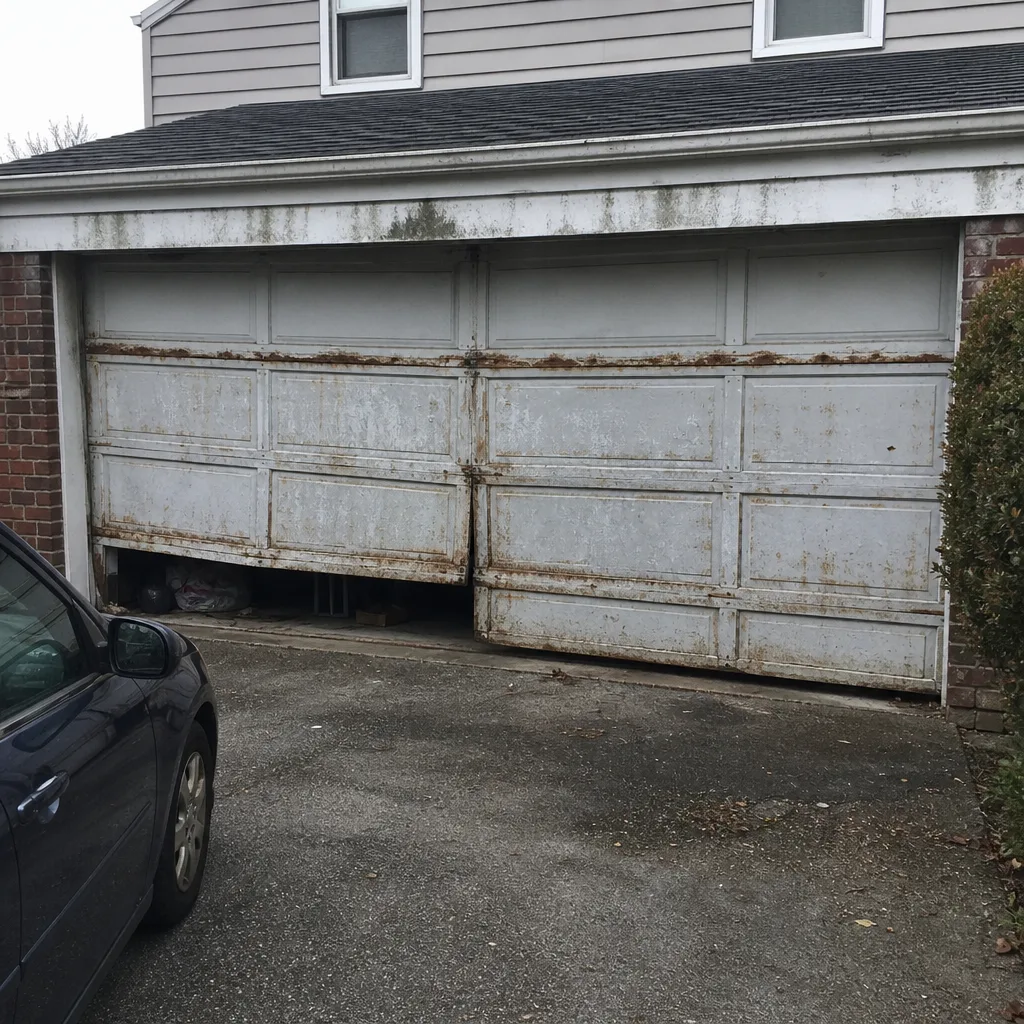 Before
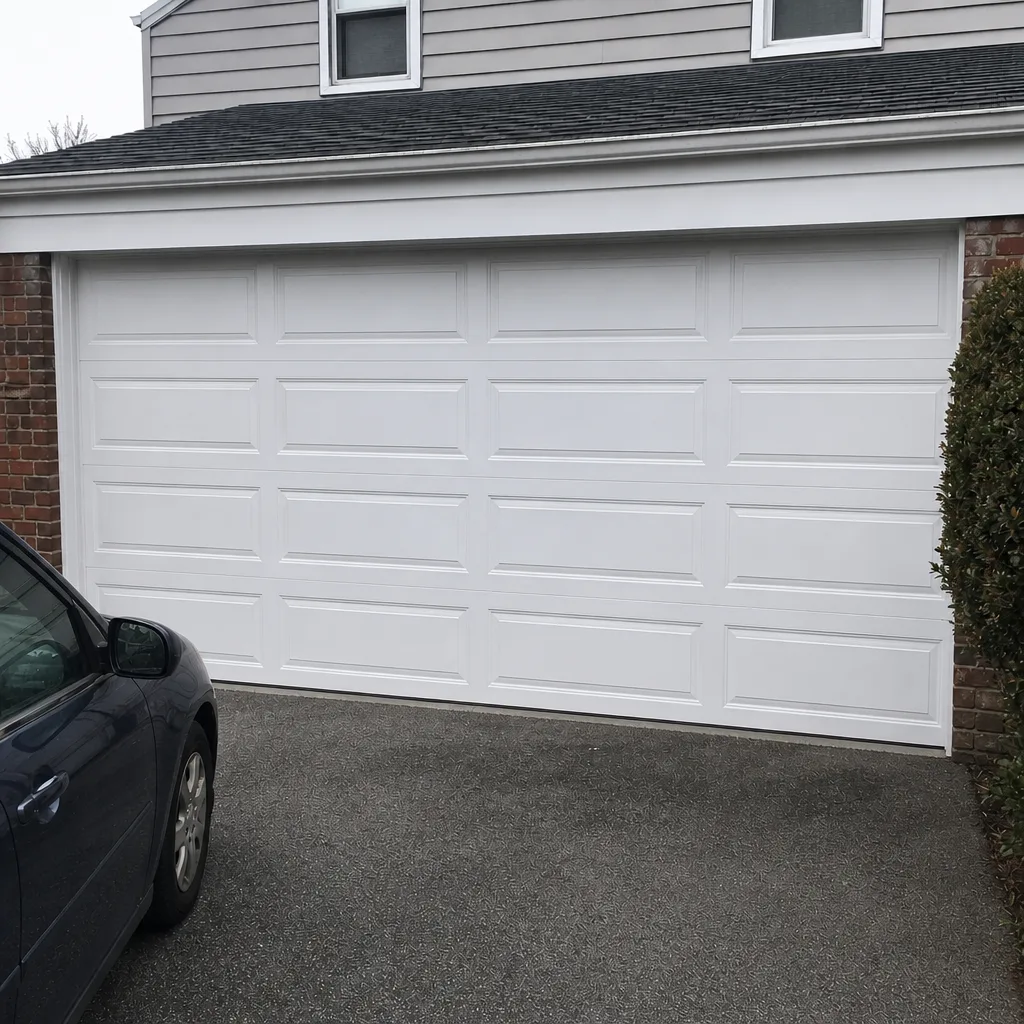 After
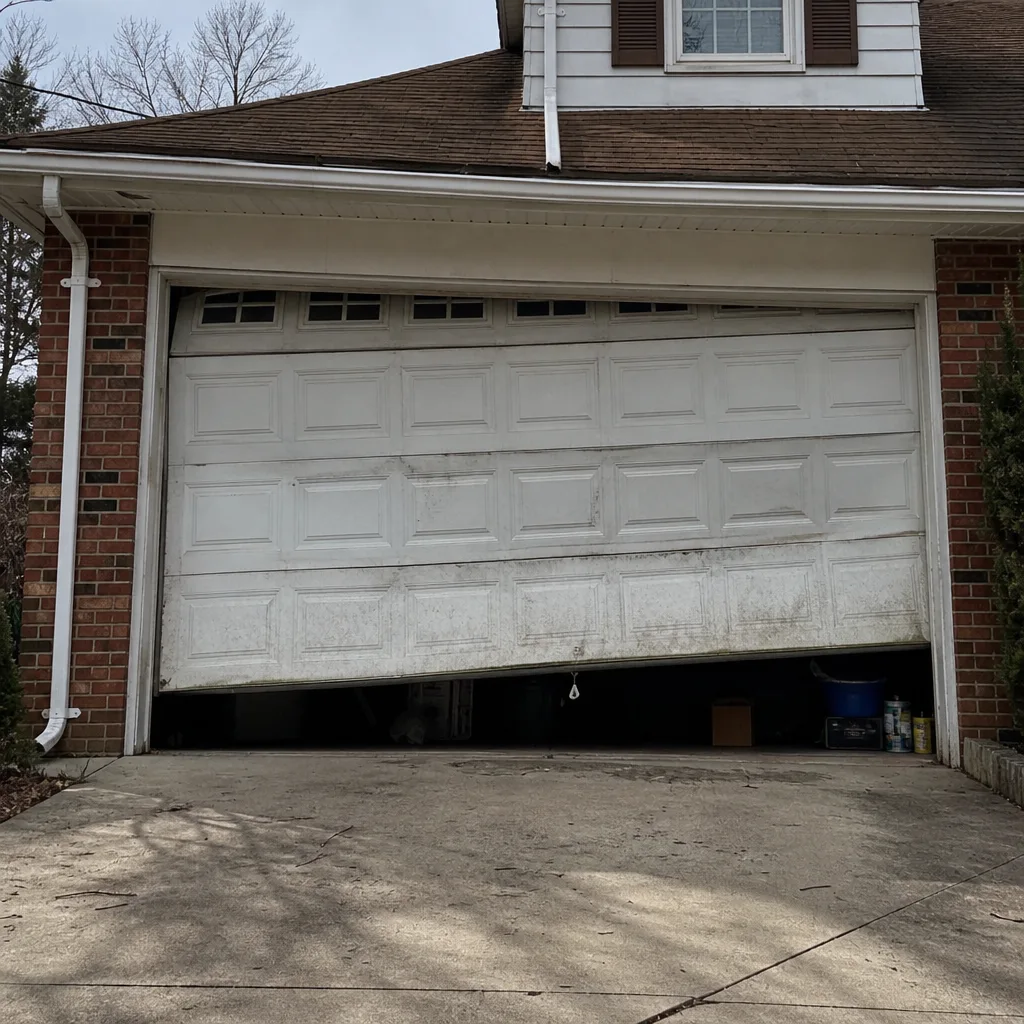 Before
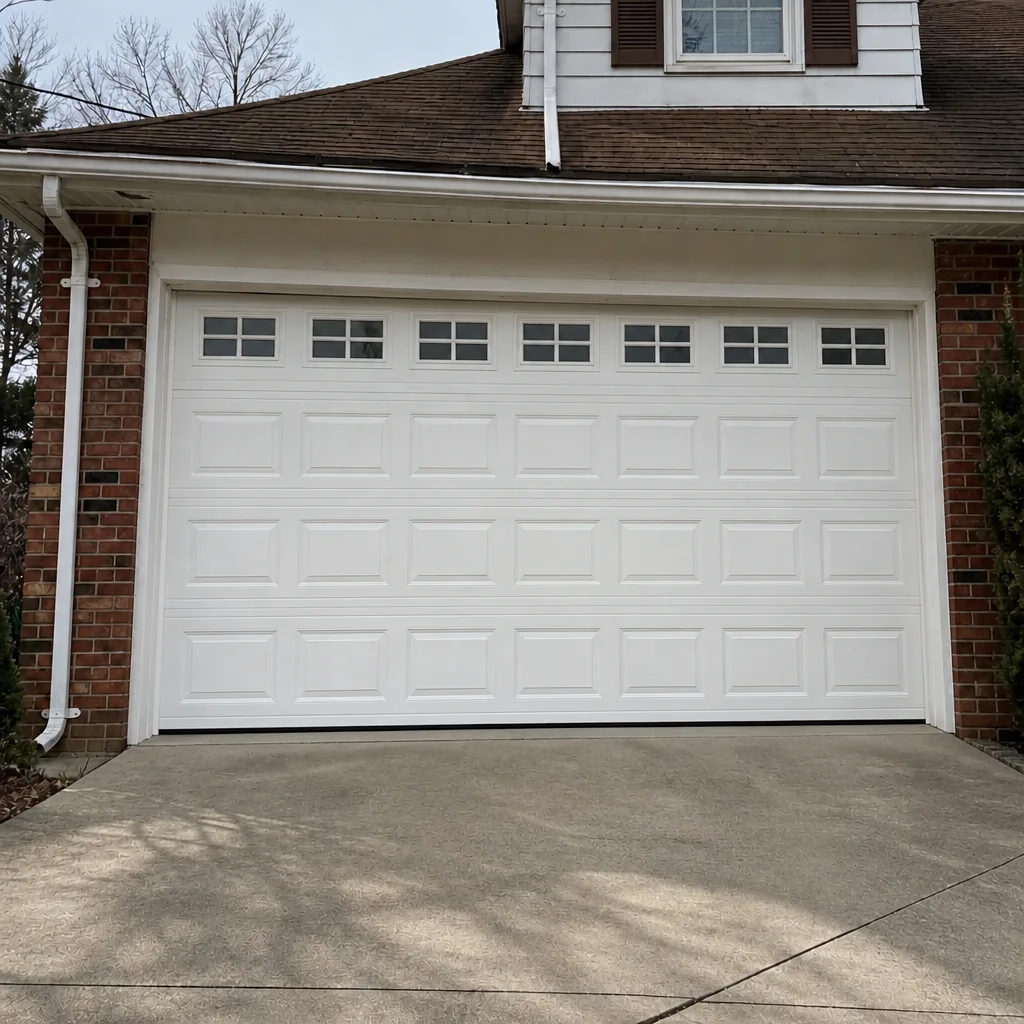 After
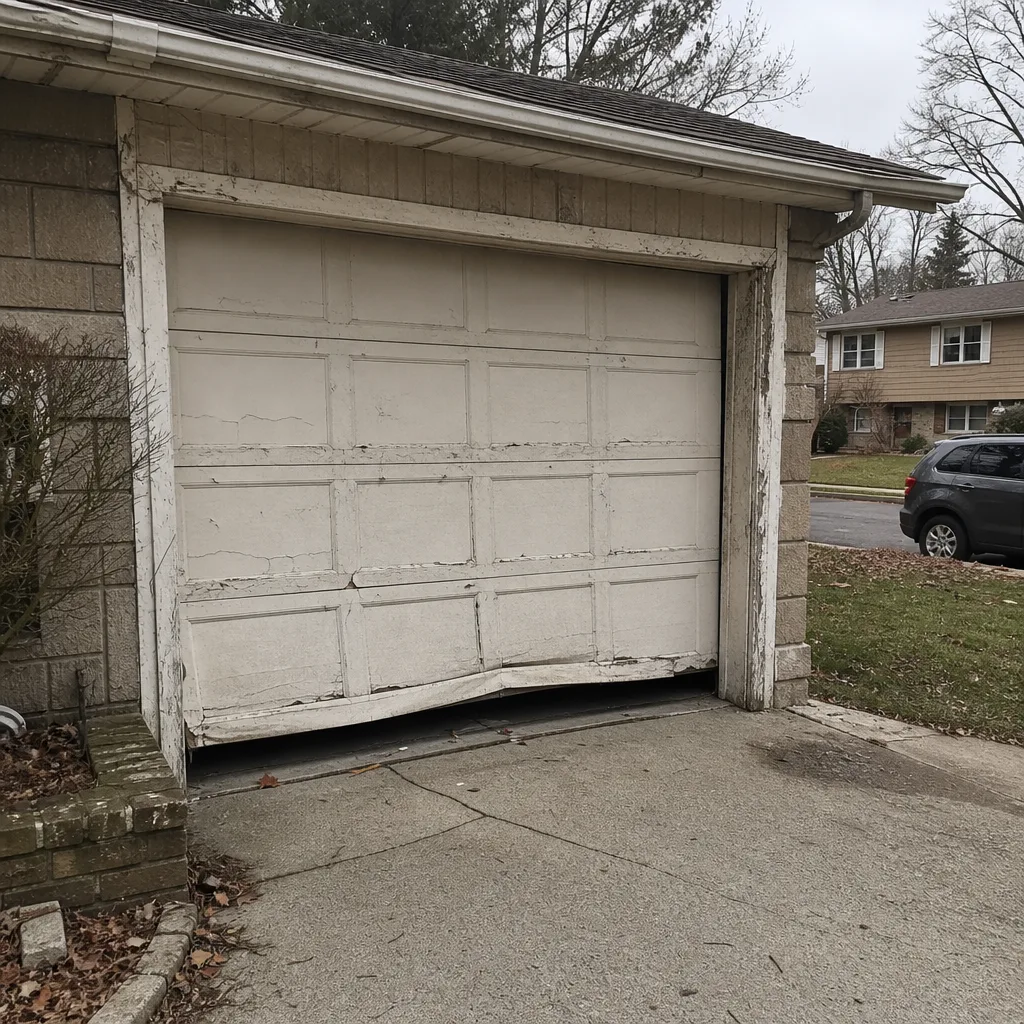 Before
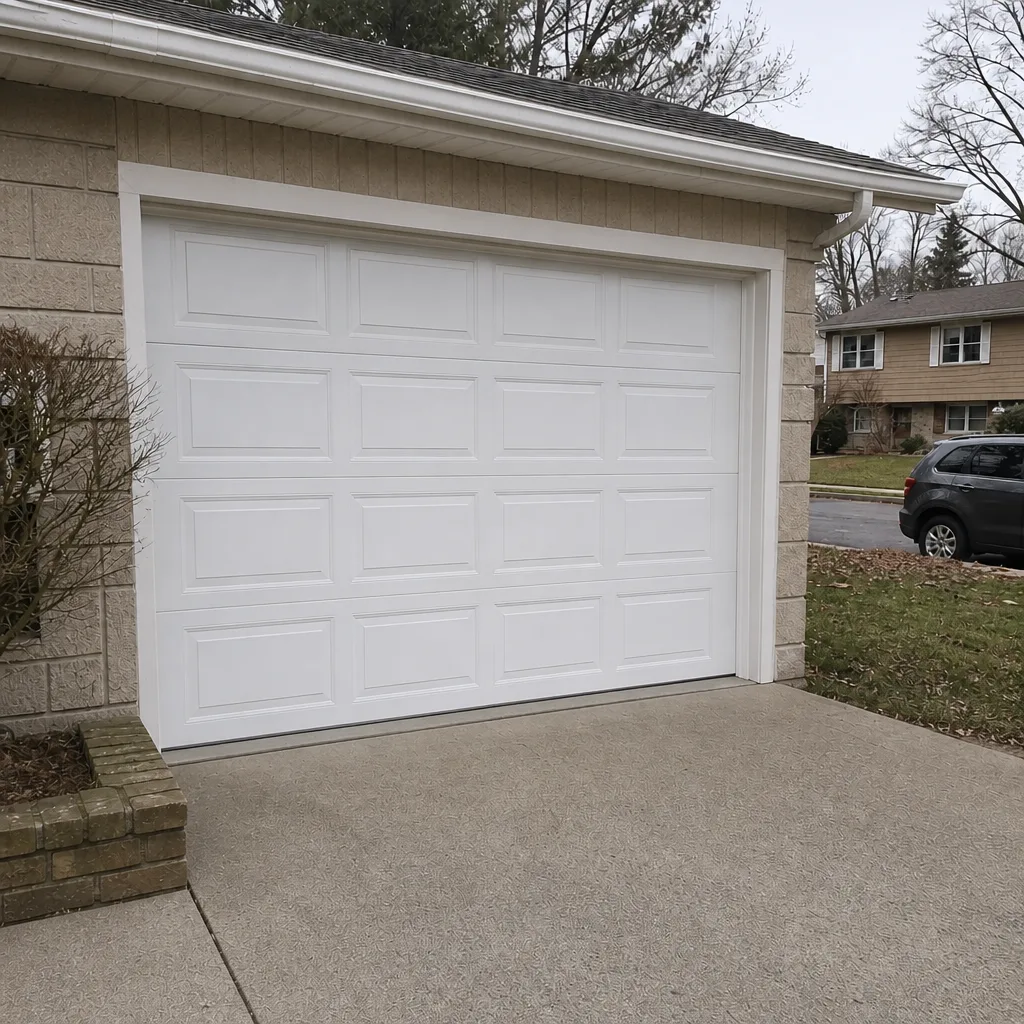 After