Last updated November 21, 2026
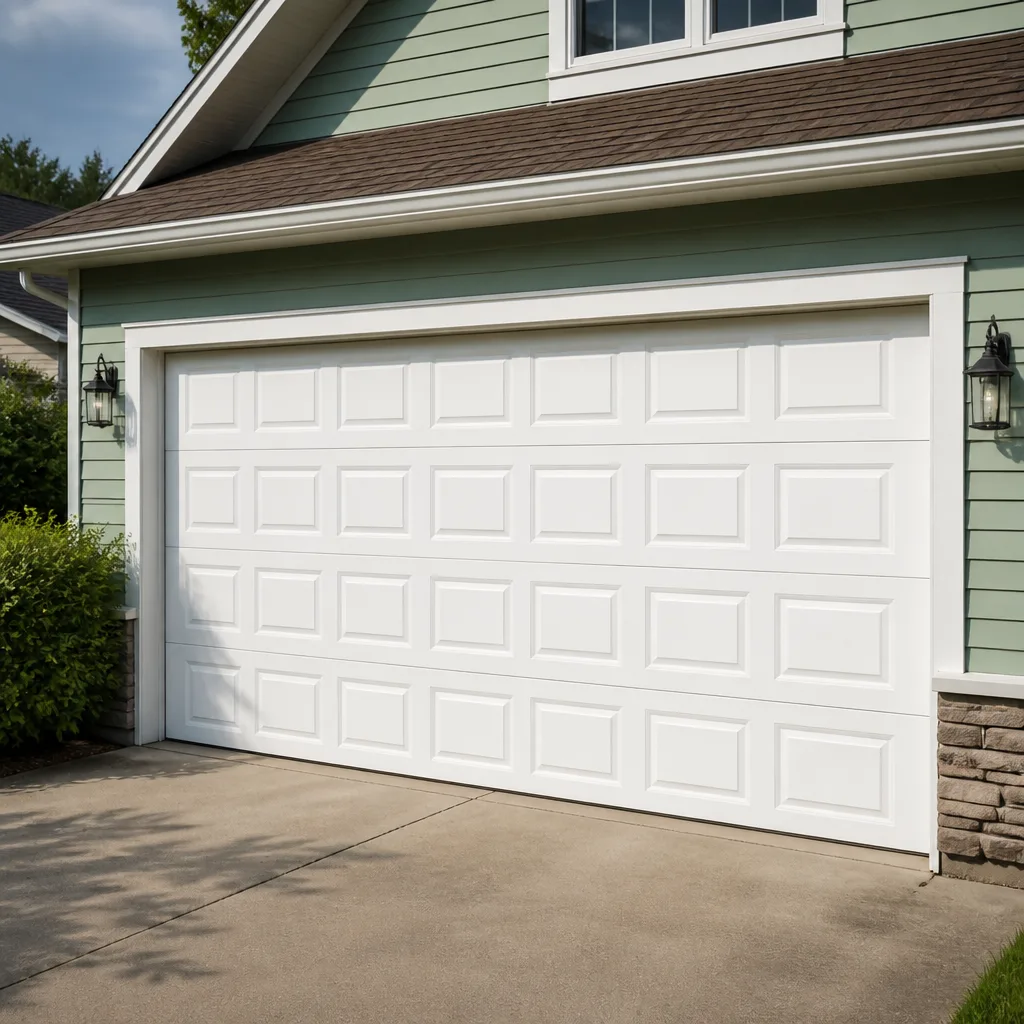 Raised-panel steel
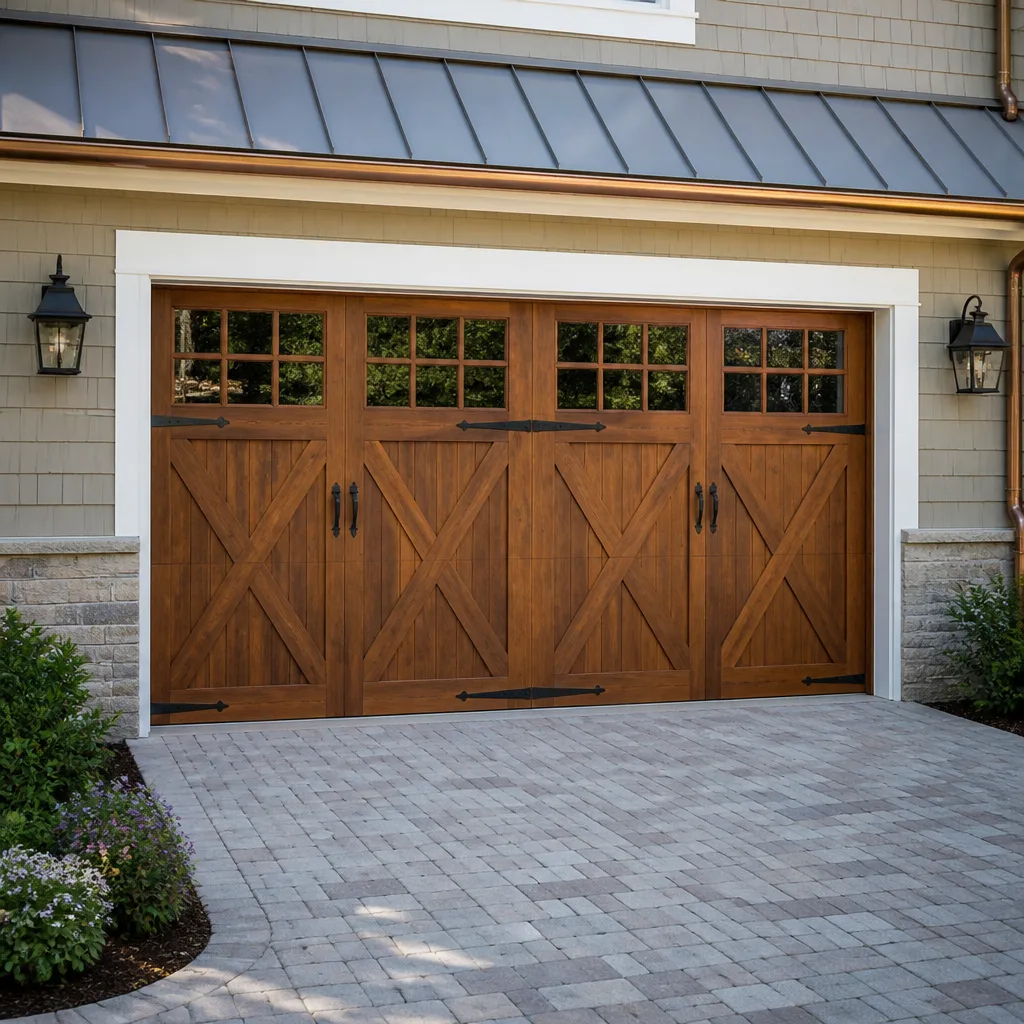 Carriage house
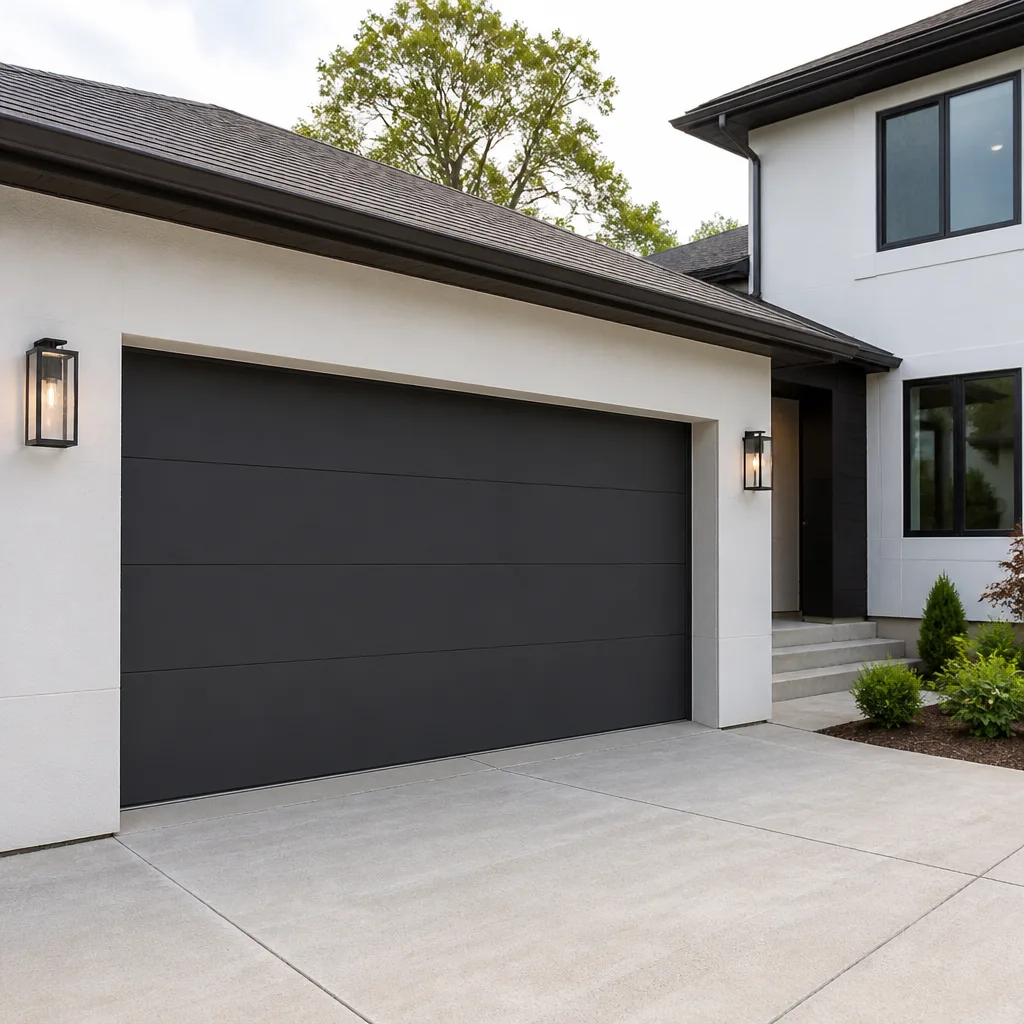 Modern flush
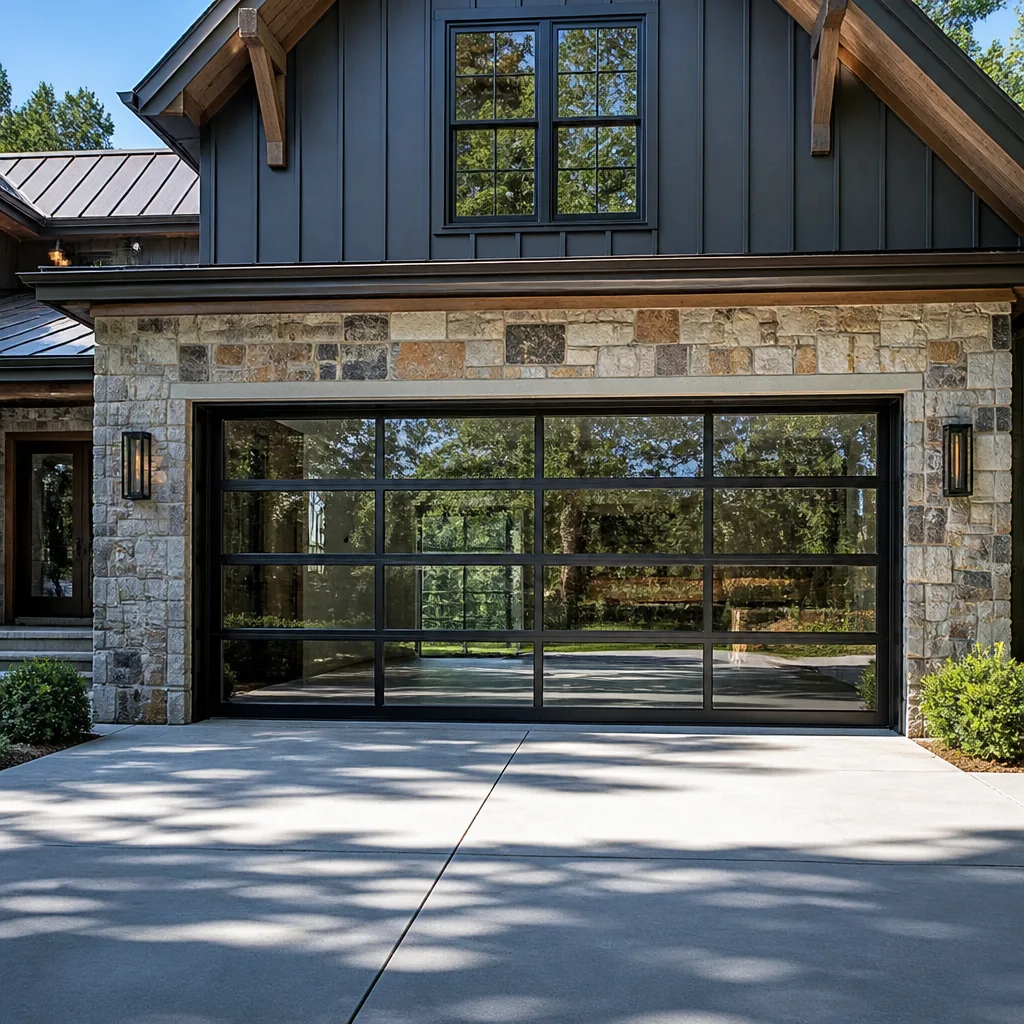 Full-view glass
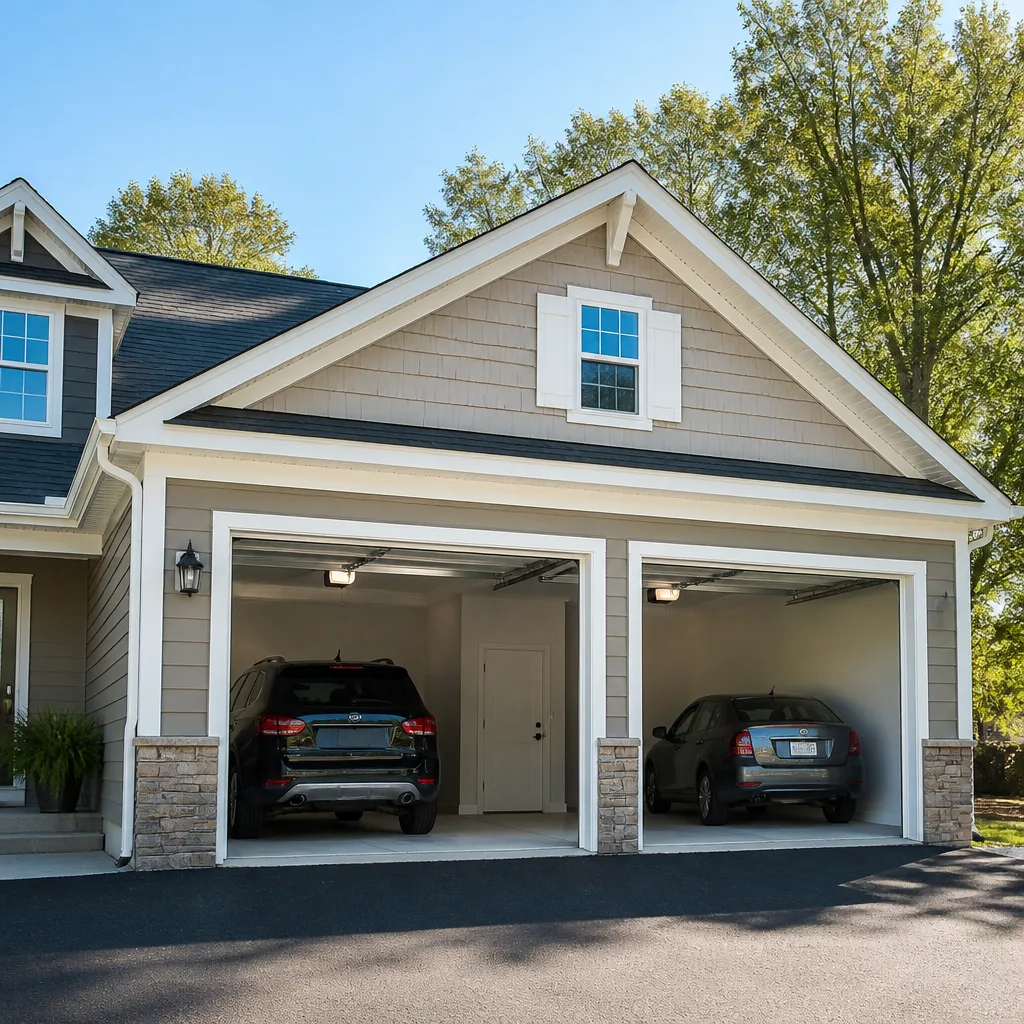 LiftMaster openers
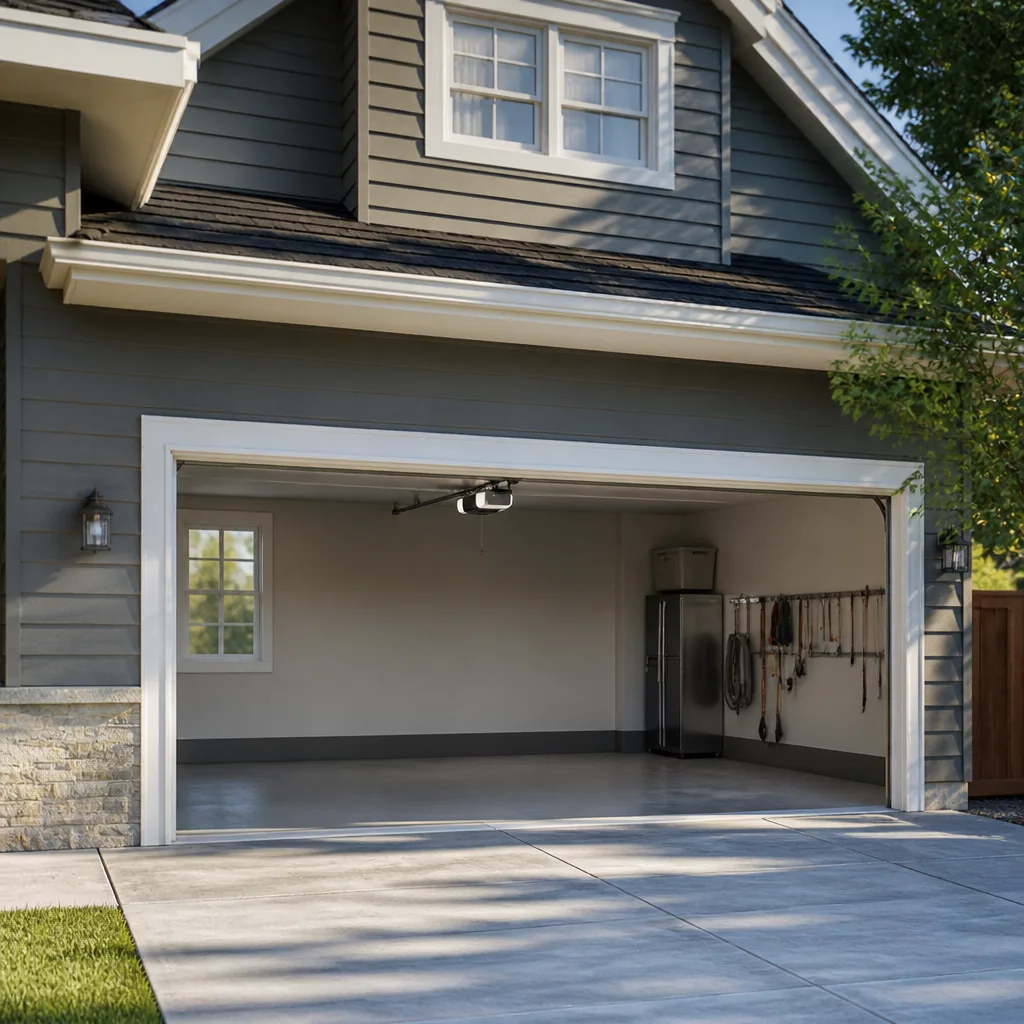 Chamberlain openers
Full 25-point door and opener safety check with every visit - springs, cables, rollers, tracks, and your LiftMaster or Chamberlain opener included
You get a price before we start. It does not change when the pro arrives.
Get your free estimateGarage Door Permits, Codes & Inspections in Fort Lee, NJ: What You Need to Know
In New Jersey, replacing a garage door with one of a different size or weight technically triggers a building permit requirement, and that surprises most homeowners who assume the job is just a hardware swap. The permit question rarely comes up in the showroom. It comes up years later, during a title search or a buyer’s inspection, when a sharp-eyed inspector notices a door that doesn’t match what the town has on file. This guide explains when New Jersey’s Uniform Construction Code actually requires a permit for garage door work in Fort Lee, how the local application and inspection process works, how fire separation and wind load rules apply to Fort Lee homes, and what it takes to keep a door project clean from day one. We work on garage doors every day, and we’ve heard enough permit stories to know where homeowners get caught.
Quick Answer
In Fort Lee, a like-for-like garage door replacement on an existing opening usually does not require a building permit, but a replacement that changes the door’s size, weight, or the structural opening around it generally does, and adding a new electrical circuit for an opener almost always does. The Fort Lee Building Department reviews the application, issues the permit, and inspects the finished work. If you’re unsure which category your project falls into, ask the Building Department before ordering the door, and get a written price from your installer before any work begins.
Styles & brands we work with
- Raised-panel steel
- Carriage house
- Modern flush
- Full-view glass
- LiftMaster openers
- Chamberlain openers
Table of Contents
- When Does New Jersey’s UCC Require a Permit for Garage Door Work?
- How Does the Fort Lee Permit Process Actually Work?
- What Does a Garage Door Inspection Cover?
- Fire Separation: The Other Door Rule in Your Garage
- Wind Load and the Palisades Exposure Zone
- What Happens to a Home Sale When the Work Was Unpermitted?
- When You Actually Need a Permit vs. a Repair
- Common Mistakes to Avoid
When Does New Jersey’s UCC Require a Permit for Garage Door Work?
The New Jersey Uniform Construction Code (UCC) is the statewide framework that governs construction work in every municipality, including Fort Lee. Under the UCC, work that changes the structural, electrical, or life-safety characteristics of a building generally needs a permit, and garage door work can fall into any of those three buckets. That’s why two jobs that look identical to a homeowner can land on opposite sides of the permit line. A like-for-like swap usually slides through. A change to the opening does not.
The triggers we see most often in Fort Lee come down to four categories:
- Size changes. Moving from an 8-foot-wide door to a 9-foot door, or changing the height, means modifying the opening. That’s structural work and needs a permit.
- Weight changes. A heavier door (steel instead of aluminum, insulated instead of non-insulated, or a different panel count) can require a heavier spring and track system. When the door weight moves outside the original design, the town wants to see it.
- Structural header modifications. Widening an opening or repairing a sagging header above the door is framing work. That’s a building permit, and often a set of stamped plans.
- New opener electrical circuits. If the opener needs a dedicated circuit that doesn’t exist, an electrical permit is required. Replacing an opener on an existing circuit usually isn’t.
Here’s the part that catches homeowners: a full door replacement on the exact same opening, same size, same weight class, and same configuration is often treated as ordinary repair or replacement rather than new construction. But local interpretation matters, and Fort Lee’s Building Department is the authority on your specific address. The simplest move is a phone call to the Building Department before the door is ordered. Tell them the size of the existing door, the size of the new door, and whether any framing or electrical work is involved. They’ll tell you whether a permit is required and what they need to see.
If you’re planning a replacement and want a straight answer on scope, our Garage Door Repair Fort Lee team can walk through your project and tell you what the town will likely ask for before you commit to an install date.
How Does the Fort Lee Permit Process Actually Work?
The Fort Lee permit process follows the standard New Jersey UCC pattern: apply, get reviewed, receive the permit, do the work, get it inspected, and close it out. The steps are straightforward, but the timing is where projects stall, especially when a homeowner has already ordered a door and scheduled a crew. Work through the steps in order and you’ll avoid the scenario where the door shows up before the permit does.
- Call the Fort Lee Building Department. Explain the scope. Is this a like-for-like swap, a size change, or a new opening? Ask what they require and whether the project falls under building, electrical, or both.
- Prepare your documentation. Have the existing opening dimensions, the new door’s manufacturer spec sheet, and the door’s wind load rating ready. If a structural change is involved, expect to submit framing details.
- Submit the application. Bring or send in the application, plans if required, and the permit fee. The Building Department will tell you what your specific project needs.
- Wait for review and issuance. Review times vary with the town’s workload and the complexity of the application. Ask for an estimated turnaround when you submit so you can schedule the door order and installation around it.
- Do the work. The installer needs the issued permit on site when the work begins. Keep the permit card visible.
- Schedule the inspection. Once the door is installed and the opener circuit is complete (if applicable), call for the inspection. The inspector verifies that the finished work matches what was approved.
- Close the permit. After a passing inspection, the permit is closed in the town’s records. That closed permit becomes the paper trail for future owners, insurers, and inspectors.
Two things shorten the timeline in our experience. First, order the door after the permit is issued, not before. Doors take time to arrive, and if the permit needs revisions you’ll be glad you haven’t already paid for a non-refundable custom door. Second, ask the Building Department directly whether a licensed installer is required for your scope. New Jersey’s UCC regulates which classes of work require licensed contractors, and having that answer up front prevents a last-minute scramble.
Turnaround time at the Fort Lee Building Department depends on the season and the application. Near the start of the year, when homeowners push projects through before spring, review can back up. In quieter months it moves faster. We always ask for an estimated issue date before we commit to an install window, and we recommend any Fort Lee homeowner do the same.
What Does a Garage Door Inspection Cover?
A garage door inspection after a permitted installation is a check that the work matches the approved permit and the code, not a full mechanical tune-up. The inspector is verifying that the finished door, hardware, and any new electrical circuit meet the requirements that were on the approved plans, and that the door operates as designed and balanced on its springs and cables.
Based on the permitted projects we’ve worked on in Fort Lee and across Bergen County, the inspection typically focuses on:
- Door size and type match the approved application and the manufacturer’s spec sheet.
- Attachment to the structure is secure, with proper brackets and spacing.
- Track and header condition when structural work was part of the permit.
- Opener electrical work if a new circuit was required, including the disconnect and wiring method.
- Safety devices on automatic openers, including the reversing mechanism required on door operators.
- Fire separation when the door sits on a wall between the garage and the living space (covered below).
An inspector can fail an installation for small things: a bracket that was supposed to be anchored but was shot into drywall, a door that isn’t level, a spring replacement that doesn’t match the approved door weight. These are all fixable, but they cost time. The easiest way to pass the first inspection is to have the installer check the job against the permit before scheduling.
Springs are where most of the danger on a garage door lives, which is why we never recommend a homeowner touch them. The springs are under high tension, and a single miscalculated turn can release that tension in an instant. Our garage door repair technicians replace springs to the door’s rated weight, and the door gets balanced correctly as part of the job.
Fire Separation: The Other Door Rule in Your Garage
Most Fort Lee homeowners know the overhead garage door is regulated. Fewer know that the door between the attached garage and the living space is a separate code requirement with its own rules. That door, sometimes called the man door or passage door, is a fire separation component. It’s there to slow the spread of fire and fumes from the garage into the house, and Bergen County inspectors look at it when they review a garage project.
In attached garages, code generally requires a solid-core or fire-rated door with a self-closing mechanism and proper weatherstripping, so a fire starting at a car or a water heater can’t travel through an open door into a bedroom hallway. When you pull a permit for a garage door replacement, or when you’re finishing a basement or adding a room above the garage, the inspector may look at that door at the same time. The point isn’t to create paperwork for you. It’s that the fire separation line is one of the few passive safety systems in the house, and it only works if the door is actually closed, rated properly, and hung correctly.
If your Fort Lee home has an older attached garage, it’s worth checking the passage door yourself. Look for a solid wood or rated door (not hollow-core), a self-closer that pulls the door shut on its own, intact weatherstripping, and no propped-open door with a brick. If any of those are missing, mention it before your inspection. Replacing the passage door and adding a self-closer is usually a modest add-on to the project and avoids a failed inspection that delays the whole permit close-out.
We don’t install passage doors as part of our garage door work, but we flag fire separation issues when we see them, because a failed code review at the end of a project is worse than a conversation at the beginning.
Wind Load and the Palisades Exposure Zone
Garage doors are a building envelope component, not just a big moving panel. Under the New Jersey building code, exterior doors on a home have to be rated for the wind pressure the building is designed to resist, and for homes in Fort Lee, wind exposure is a real design factor. Fort Lee’s position on the Palisades means the ridge sits well above the Hudson, and the bluff edge funnels wind in a way that flat inland sites do not. Wind load calculations account for that. A door rated for inland, sheltered installation isn’t automatically the same door rated for a Palisades-facing opening.
What does that mean for a homeowner?
- Wind rating is a door specification. Manufacturers publish a design pressure rating for each door line and configuration. A door that looks identical to another from the same maker can carry a lower or higher rating depending on panel construction and glazing.
- Reinforcement matters. Heavier struts, additional hinges, and stronger center brackets on wide doors are all part of the wind rating, not a cosmetic upgrade.
- The rating goes on the permit. If your door qualifies as a required structural element under the code, the application should show the rated door and the reinforcement specified for your opening.
- Brand-specific specs. Clopay, Amarr, and similar manufacturers publish wind load tables. If your installer can’t produce the spec for your exact door, that’s a flag.
For a home on a high bluff or a corner lot with open exposure, ask your installer to confirm the wind rating in writing along with the written price. If the existing door already carries a wind rating on its label, note it before removal so you can match or exceed it. This is the kind of detail a general handyman won’t catch, which is why we recommend a specialist for any door with a rated wind load.
What Happens to a Home Sale When the Work Was Unpermitted?
An unpermitted garage door replacement is not the end of a home sale, but it’s a common snag in closing. When a Fort Lee home goes under contract, the buyer’s inspector or the title company may pull the town’s permit history and compare it to what’s physically on the property. A door that doesn’t match the records, or a permit that was opened and never closed, becomes a negotiable item. Buyers use it for leverage, lenders sometimes ask for documentation, and the seller ends up dealing with the issue under time pressure.
The specific outcomes we’ve seen in Bergen County transactions tend to follow a few patterns:
- Title search anomalies. If a permit exists but was never inspected or closed, the title company may flag it as an open item that needs resolution before closing.
- Inspector flags. A licensed home inspector who sees a newer door with no permit record may recommend further evaluation. That’s a buyer’s invitation to negotiate the price or ask the seller to legalize the work.
- Insurance questions. Some carriers ask for proof that structural or envelope changes were permitted when a policy is written or renewed. Unpermitted work can complicate the conversation.
- Retroactive permitting. The fix is usually to apply for the permit after the fact, have the work inspected, and close it out. It’s doable, but it costs more time and sometimes more money than doing it right the first time, especially if the finished work has to be opened up to show what’s behind it.
The pattern here is worth naming: homeowners don’t get in trouble when they pull a permit. They get in trouble when they skip one and the record follows them to the closing table. We’ve seen contractors talk homeowners out of permits to “save time,” and the homeowner pays for it later. Get the conversation started early and it never becomes a problem. If you suspect you have unpermitted garage door work and want to know what a code-compliant door looks like for your opening, our garage door repair team can inspect the door and give you a written assessment.
When You Actually Need a Permit vs. a Repair
Most garage door work in Fort Lee does not require a permit. Repairs, tune-ups, opener replacements on existing circuits, spring replacements, and like-for-like door swaps are all routine work. The permit line usually starts when the work touches the building structure, the door size, the electrical system, or a life-safety component. Here’s the general rule we use:
- No permit typically required: spring replacement, cable replacement, roller/hinge replacement, opener replacement on an existing circuit, weatherstripping, panel replacement in kind.
- Permit typically required: changing the door’s size, changing the door’s weight class in a way that requires structural reinforcement, widening the opening or modifying the header, adding a new dedicated circuit for an opener, replacing a rated door in a required fire separation wall, or any new structural work around the opening.
One category deserves its own note: emergencies. When a door snaps a spring or drops off a track, the first job is getting the door safe and secure. Stabilizing an unsafe door is not construction work and does not require a permit. But if the repair uncovers structural damage (a cracked header board, a torn-out track bracket, a bent jamb), that repair moves into permit territory, and we always tell a homeowner when we hit that line rather than quietly working around it. Our garage door spring repair team handles emergency spring work with the door safely back on its feet, and we flag any structural issue we find during the process.
If you’re replacing an opener, electrical scope matters. A LiftMaster or Chamberlain opener that swaps onto an existing circuit usually doesn’t trigger an electrical permit. A new opener that needs a new outlet or a dedicated home run from the panel usually does. If you aren’t sure which side of the line you’re on, the Fort Lee Building Department will tell you. Ask before the install and you’ll never be guessing after.
Two other things to know for any Fort Lee garage door project. First, what a permit and inspection don’t cover is quality. A door can pass an inspection and still have the wrong spring for its weight, so choose an installer who verifies the door’s rated spring weight before installation. Second, if you’ve had a bad or noisy opener and want it looked at, our garage door opener repair service covers LiftMaster, Chamberlain, Genie, and Craftsman systems, including Wi-Fi-connected and app-controlled units.
Common Mistakes to Avoid
Almost every permit problem we see in Fort Lee traces back to one of these:
- Ordering the door before confirming whether a permit is needed. A custom door can take weeks to arrive. If the town asks for revisions to the application, you’re stuck holding a door you can’t install. Confirm the permit scope first, then order.
- Assuming “we’re replacing the same size” when you’re not. A homeowner upgrading from a steel door to an insulated Clopay model of the same dimensions is often fine, but when the weight class changes, the spring and track system may need to change with it, which moves the door into permit territory.
- Skipping the wind rating conversation. Palisades-facing openings and bluff-edge lots in Fort Lee see real wind exposure. Asking for the door’s rated wind load in writing costs nothing and protects the permit and the door.
- Adding an opener without checking the circuit. If your new opener needs a dedicated circuit, that’s an electrical permit. Adding an outlet without one is the sort of thing that surfaces during a home sale.
- Ignoring the fire separation door. The passage door between the garage and the house has its own code requirements, and an inspector can flag it during a garage permit review. Check the door before the inspection, not after.
- Letting a permit stay open. A permit that’s issued but never inspected or closed is worse than no permit at all because it shows up in the town’s records as an unresolved item. Close every permit before the project is done.
- Hiring on price alone for a permitted project. The cheapest quote often doesn’t include permit filing or inspection coordination. Ask what’s covered in the written estimate before you sign.
When to Call a Professional
We recommend a professional for any garage door project that involves a permit, a structural change, a spring, or a safety device. Springs are the highest-risk component on the door, and the injury risk to a homeowner doing it themselves is real, not theoretical. Also call when a door is off track, when a torsion cable is frayed, when the door won’t close flush, or when an opener runs but the door doesn’t move. If you’ve remodeled a garage, changed the door’s size, or bought a Fort Lee home with a door that doesn’t match the town’s records, an assessment is the right first step. Garage Door Repair Fort Lee offers free estimates in Fort Lee; call (877) 806-9927 and we’ll tell you what the door needs and what the town will likely ask for. Our technicians have up to 11 years of experience with doors and openers across all major brands. When it’s an emergency, call the same number and we’ll get you scheduled.
See the difference
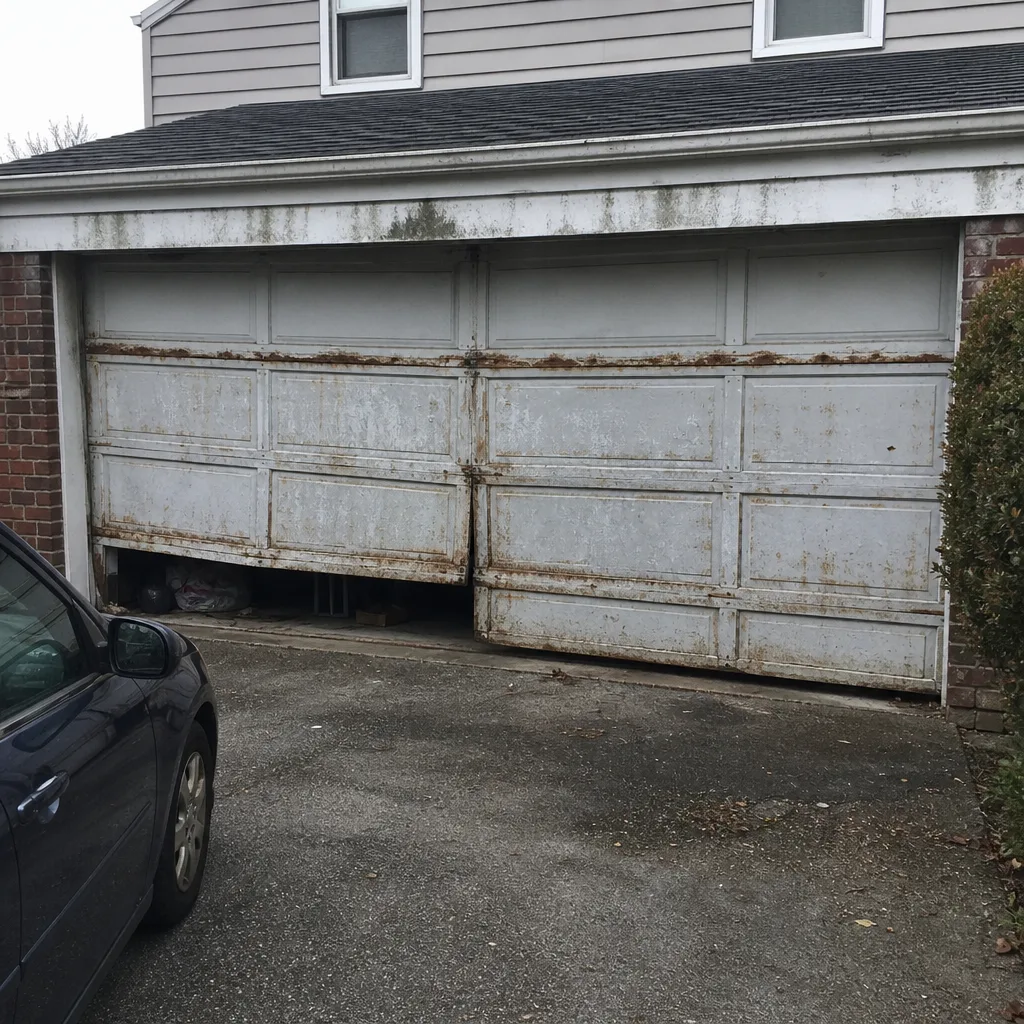 Before
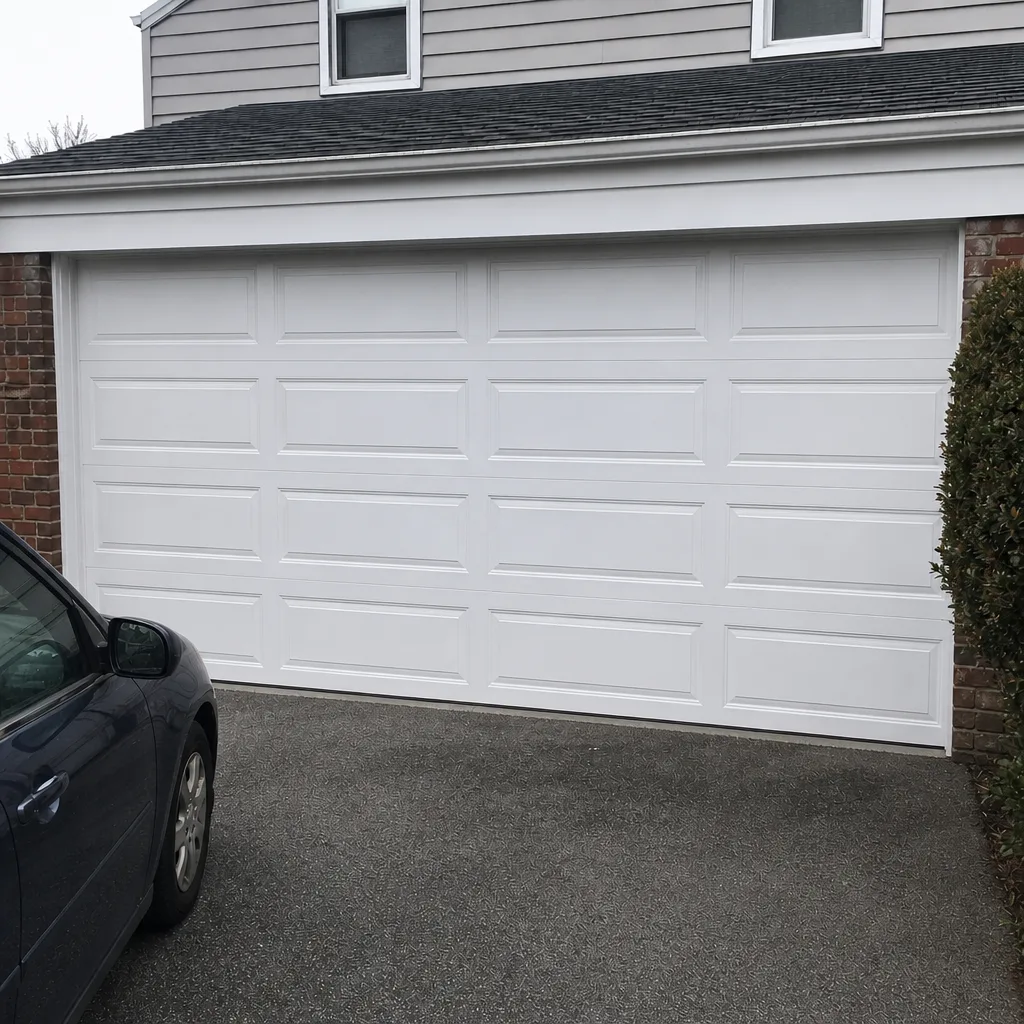 After
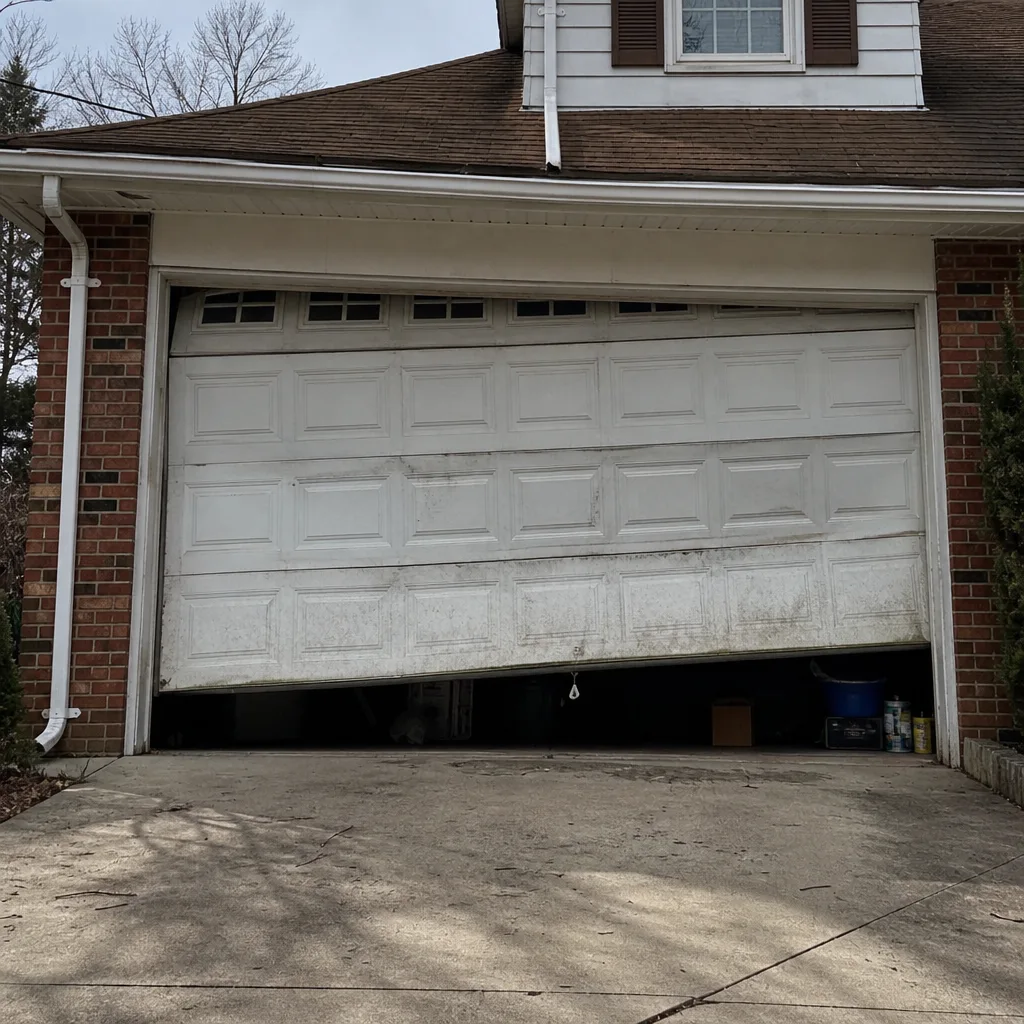 Before
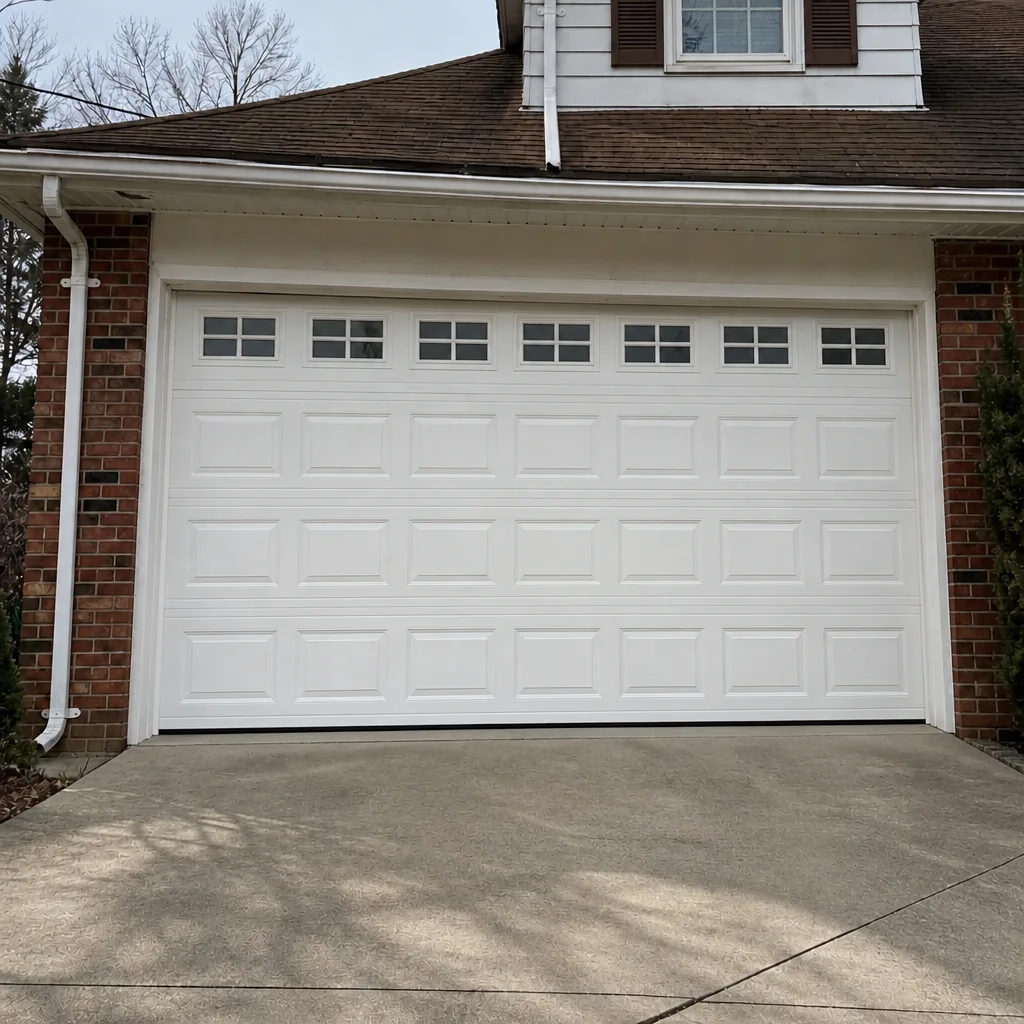 After
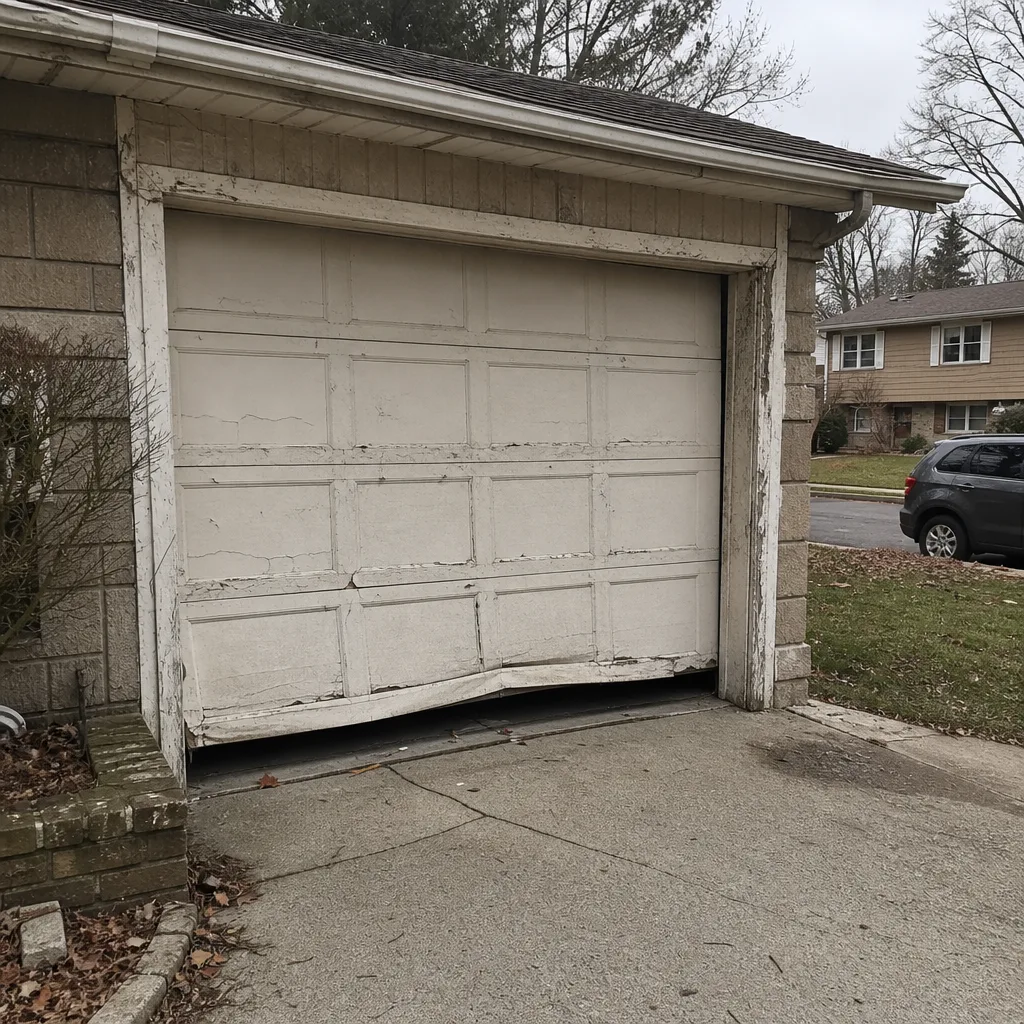 Before
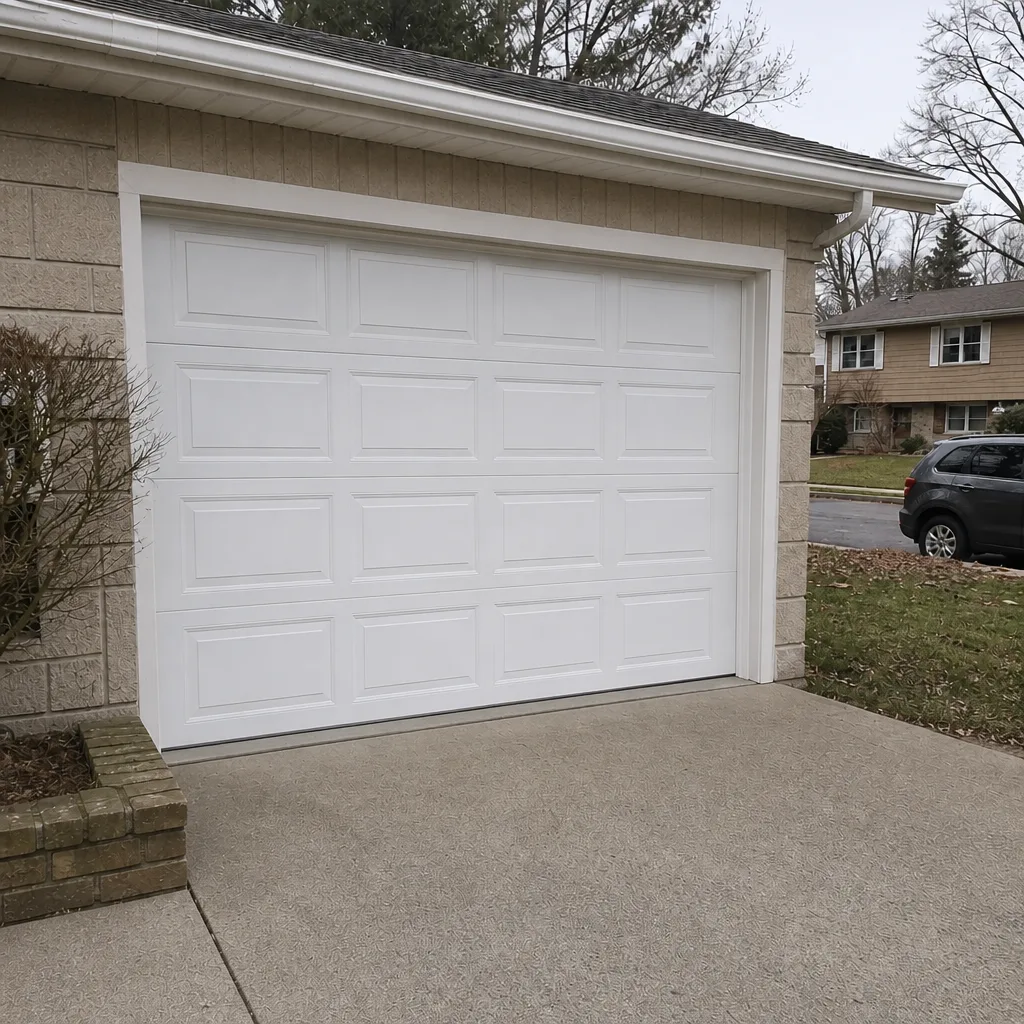 After
Frequently Asked Questions
A like-for-like replacement on the existing opening usually does not need a permit, but a replacement that changes the door’s size, weight class, structural opening, or adds a new electrical circuit for an opener generally does. The Fort Lee Building Department has the final say on your specific address. Call them before ordering the door; call (877) 806-9927 if you want a written assessment of the scope first.
Turnaround depends on the Building Department’s workload and the complexity of the application, and can range from a short review for a straightforward size change to longer if structural plans are required. Ask for an estimated issue date when you submit, and don’t order a custom door until the permit is issued. Our team schedules installs around the permit timeline automatically.
The buyer’s inspector or title company can flag the unpermitted work, which may become a negotiation point before closing. The usual fix is to apply for the permit after the fact, have the work inspected, and close it out. It’s manageable, but it costs time and sometimes money. Call (877) 806-9927 if you want to know what a code-compliant door for your opening looks like before listing.
Only when the new opener needs a dedicated circuit that isn’t already there. Swapping a LiftMaster, Chamberlain, Genie, or Craftsman opener onto an existing circuit usually doesn’t trigger an electrical permit. Adding a new outlet or a home run from the panel does. The Fort Lee Building Department will confirm your specific case if you’re unsure.
Attached garages in New Jersey generally require a rated or solid-core passage door with a self-closer between the garage and the living space, and the inspector may review it during a garage permit inspection. It’s a passive fire safety component, not an add-on. Check the door before your inspection and call (877) 806-9927 if you want a second set of eyes on the door and opener while you’re at it.
Exterior doors have to be rated for the wind pressure the building is designed to resist, and Fort Lee’s Palisades exposure can raise that requirement on bluff-edge and corner lots. Ask your installer for the manufacturer’s wind load rating for your specific door in writing. If a contractor can’t produce it, call (877) 806-9927 for a written assessment before you commit.
The Bottom Line
Fort Lee homeowners rarely ask about garage door permits until a home sale or an inspector forces the question, and by then the paperwork problem has already been created. Here’s the short version. A like-for-like replacement usually doesn’t need a permit. A change to the door’s size, weight, structural header, or electrical circuit usually does. Fort Lee’s Building Department is the authority for your address, so call before you order. Watch the two rules that get overlooked: fire separation between the garage and living space, and wind load rating for Palisades-facing openings. Close every permit before the project is done, and if you plan to sell, remember that the town’s records follow the house. The cleanest garage door projects we handle start with the paperwork and end with a passing inspection.
Call us at (877) 806-9927 for a free estimate on any garage door repair, spring replacement, opener issue, or new door installation in Fort Lee. We’ll tell you what your project involves, whether the town likely wants a permit, and what the work will cost in writing, quoted and agreed before anything starts. Estimates are free, and we charge nothing to walk a Fort Lee homeowner through the code question before they commit to a project.
Where We Work in Fort Lee
Garage doors are unforgiving hardware, and the details that matter at a Fort Lee home depend on which part of town the house sits in. A bluff-edge property overlooking the Hudson sees a very different wind profile than a house on the flatter inland streets. We work with homeowners across Fort Lee’s neighborhoods and repeat business comes from the same three things: we show up when we say we will, we know the brands on the door before we arrive, and we don’t surprise anyone with the invoice.
- The high-rise and mid-rise buildings near the George Washington Bridge approach. Parking structures and residential garages in these buildings often have commercial-style doors and heavier openers. We work on LiftMaster and Chamberlain operators, and we know how to coordinate with a building manager when a door is a shared asset.
- The Palisades bluff and older homes along the ridge. Bluff-edge homes see more wind exposure, which is where the wind load rating conversation matters. Older doors on these homes are often original, and the hardware is sometimes the original track and spring. Those doors are worth a close inspection before any replacement decision.
- The neighborhoods around Coytesville, the Heights, and the streets south of Main Street. Postwar homes with standard single-car openings dominate here, and door replacement is straightforward, like-for-like work in most cases. Clopay and Amarr are common brand choices for these doors because both manufacturers publish clear wind load specs across their residential lines.
Wherever the door is, the process is the same: we look at the opening, confirm the brand and model, and tell you plainly whether the work falls on the repair side of the line or the permit side. Our technicians have up to 11 years of experience and have seen just about every door configuration Fort Lee has to offer. One call covers it.
Written by the team at Garage Door Repair Fort Lee.