Last updated November 21, 2026
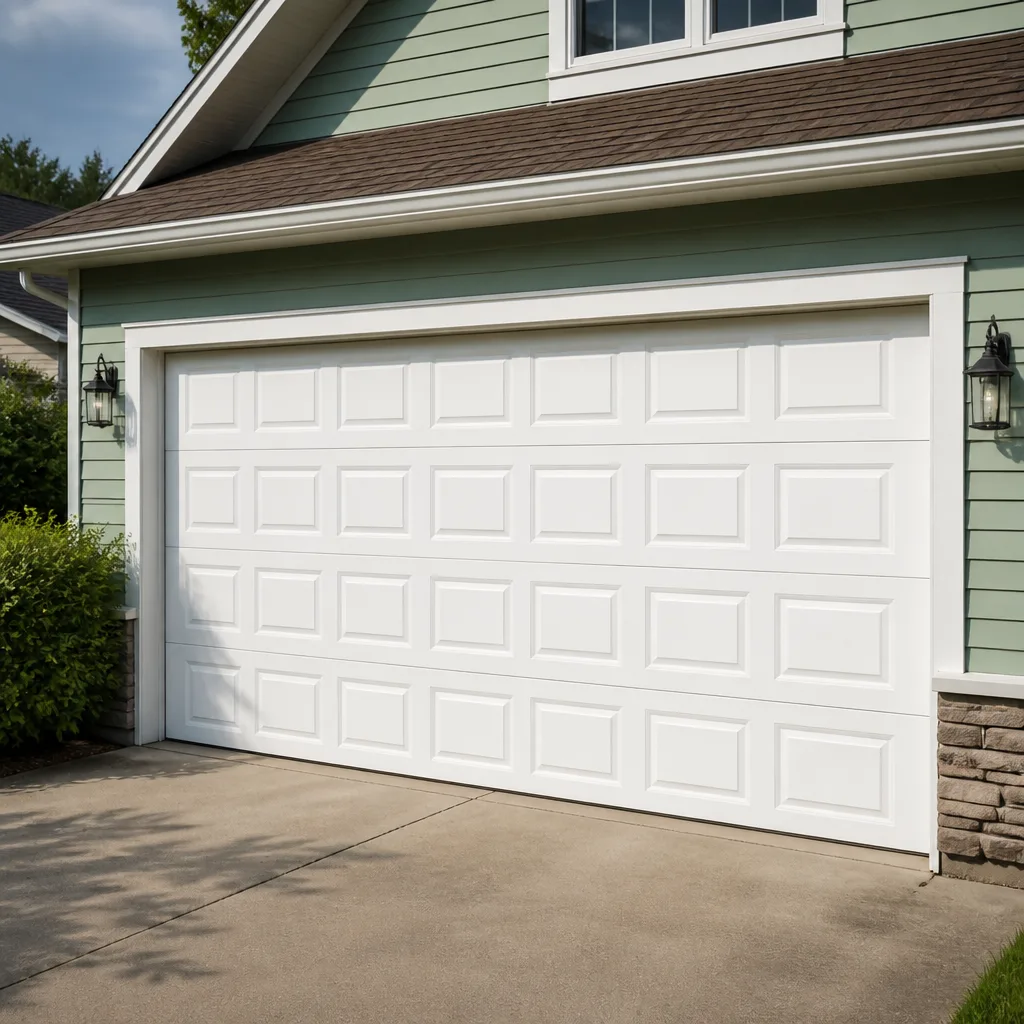 Raised-panel steel
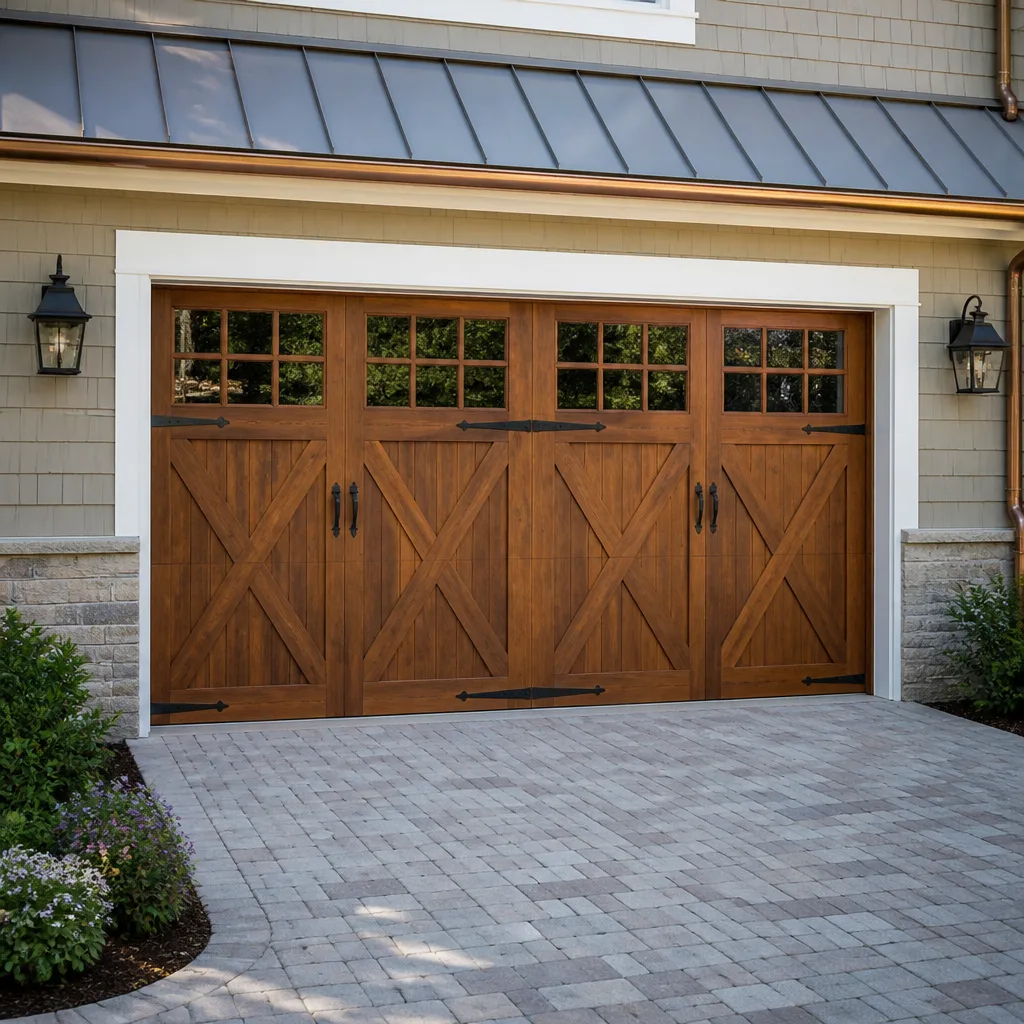 Carriage house
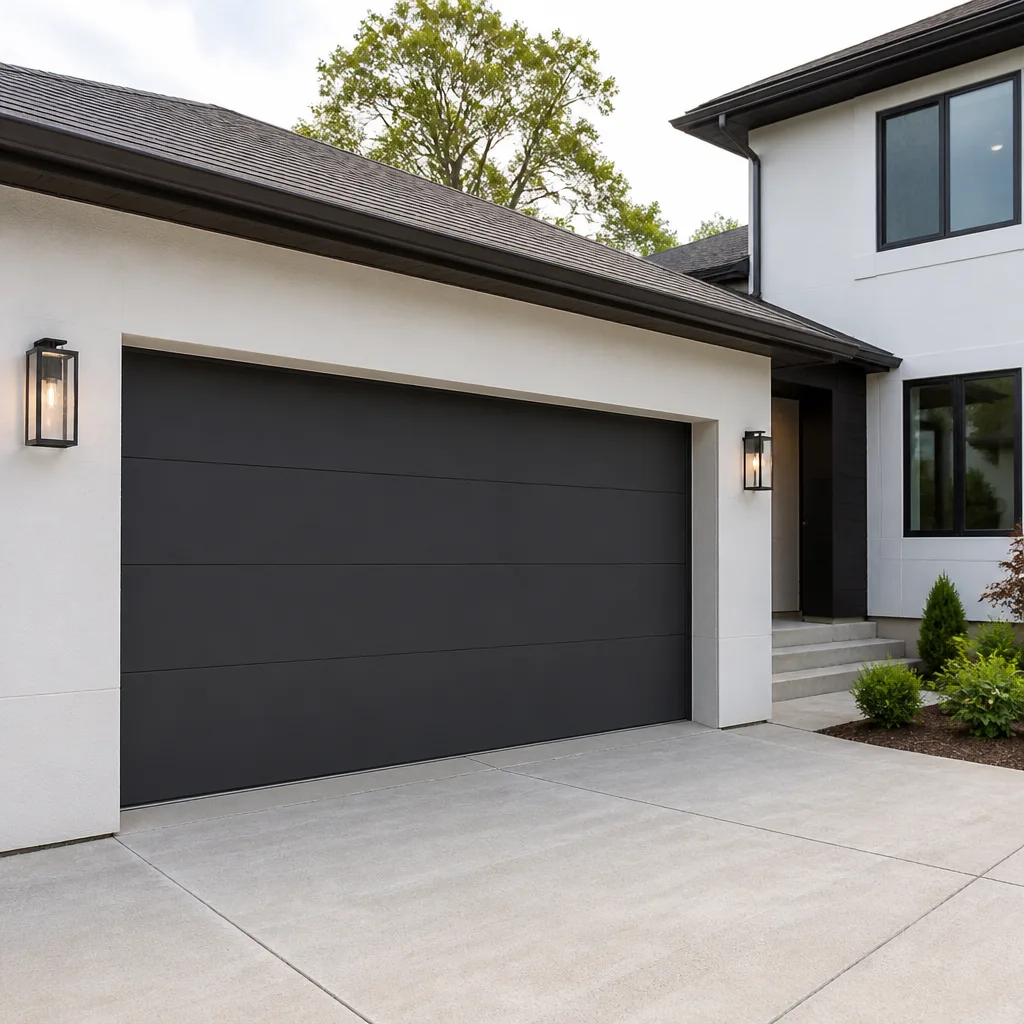 Modern flush
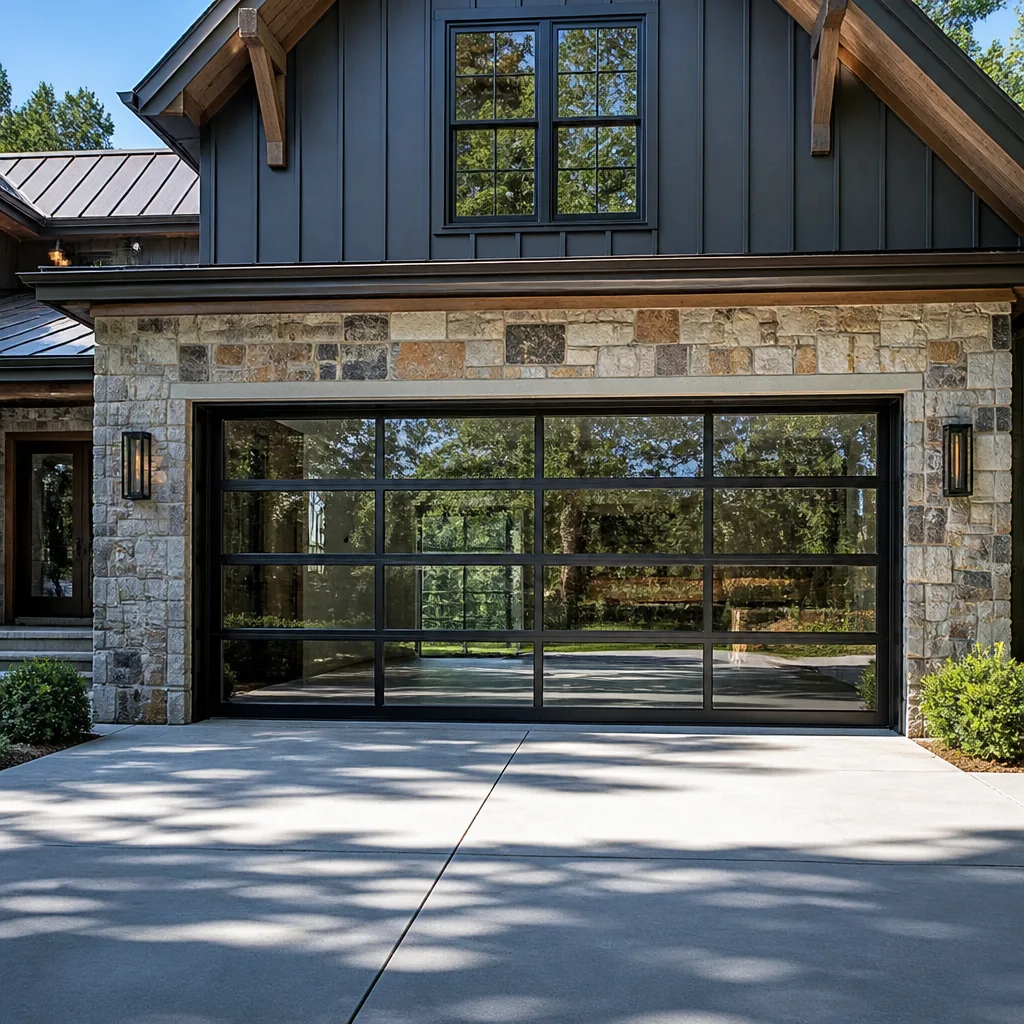 Full-view glass
 LiftMaster openers
 Chamberlain openers
Full 25-point door and opener safety check with every visit - springs, cables, rollers, tracks, and your LiftMaster or Chamberlain opener included
You get a price before we start. It does not change when the pro arrives.
Get your free estimateGarage Door Emergency Preparedness Guide for Fort Lee Homes
Most garage door emergencies we get called out for in Fort Lee aren’t really emergencies. They’re surprises. A spring that had been stretching thin for months finally lets go on the coldest morning of January, right when you’re backing out to catch the bridge. An opener that lost its logic board after a power flicker leaves you yanking a release cord that won’t budge because it’s been pulled the wrong way before. And a door that “worked fine yesterday” sits half-open during a wind warning on the Palisades ridge. The fix in every one of those moments is usually quick. The problem is that nobody practiced it beforehand. This guide walks through the specific failure patterns that show up in Fort Lee homes and what to actually do when one hits – including manual release operation, securing a door with a broken spring, and getting a trapped car out without making things worse.
Quick Answer
A garage door emergency in Fort Lee is almost always one of four things: a snapped spring, an opener that won’t respond after a power outage, a door stuck open or closed because of a jammed release cord, or storm damage to the top section. The right first move is to stop operating the door, secure it if it’s open, and call a trained technician – high-tension springs and cables can cause serious injury if handled wrong. Our technicians have up to 11 years of experience with these failures, and we run same-day and emergency service for exactly this kind of call.
Styles & brands we work with
- Raised-panel steel
- Carriage house
- Modern flush
- Full-view glass
- LiftMaster openers
- Chamberlain openers
Table of Contents
- Why Garage Door Emergencies in Fort Lee Follow Predictable Patterns
- How to Operate the Manual Release on the Three Most Common Openers in Fort Lee
- How to Secure a Door With a Broken Spring Until Help Arrives
- What to Do When Your Car Is Trapped Inside After a Spring Failure
- Door Won’t Respond After a Power Outage? Battery Backup vs. Logic Board Reset
- Post-Storm Inspection After High Winds on the Palisades Ridge
- Brand-Specific Notes for Fort Lee Homes
- Building a Garage Door Emergency Kit
Why Garage Door Emergencies in Fort Lee Follow Predictable Patterns
In our experience, garage door failures don’t happen at random. They cluster around three triggers, and once you know them you can spot the warning signs before they turn into a stuck door at the worst possible time.
Trigger one: the first hard cold snap. Fort Lee winters swing hard, and the metal in torsion and extension springs contracts with the temperature. A spring that’s been carrying a load for years with a hairline fatigue crack will often finish the job on the first morning that drops into the teens. That’s why spring failures spike in January and February – and why they seem to always happen when you’re already running late. If you hear a sharp bang from the garage on a cold morning, don’t touch the door. Assume a spring has failed and read the section below on securing it.
Trigger two: power interruptions. Between winter storms and the occasional grid work, Fort Lee homes see their share of brief outages. Most modern openers handle that fine – they just need a reset. But older units, or ones with a tired backup battery, can come back online in a confused state: the door won’t respond to the remote, the wall button does nothing, or the opener runs but the door doesn’t move. Nine times out of ten it’s a logic board reset, not a dead opener.
Trigger three: high-wind events. The ridge that gives Fort Lee its views also funnels gusts. A door that’s fully closed handles wind well, but a door left cracked open – or one with worn weatherstripping – can catch a gust that bends the top section or rips a seal loose. After any significant wind event, a two-minute walk-around of your door is worth the time.
Understanding these patterns is the difference between reacting and being ready. The rest of this guide gives you specific actions for each one, starting with the single most important skill: knowing how to release your door manually.
How to Operate the Manual Release on the Three Most Common Openers in Fort Lee
Every garage door opener has a manual release, and it’s the one thing you should know cold before you ever need it. The release lets you disengage the door from the opener so you can lift it by hand. The mechanism differs by opener type, and pulling it wrong is the single most common reason a door gets jammed in the open position. Here’s how the three most common setups in Fort Lee homes work.
1. Standard chain or belt drive (LiftMaster, Chamberlain, Genie, Craftsman)
These are the most common openers in Fort Lee, and the release is a red cord or T-handle hanging from the trolley. To operate it:
- Make sure the door is fully closed and nobody is standing under it.
- Pull the release cord straight down and slightly toward the door – a firm, steady pull, not a yank.
- You’ll hear or feel the trolley disconnect. The door is now free to move by hand.
- Lift the door slowly, holding it at the bottom section. If it’s heavy, stop – you have a spring problem and shouldn’t force it.
The mistake we see most: pulling the cord at an angle or with a sharp jerk. That can jam the trolley on the rail, and then the door won’t reconnect properly even after the opener is fixed. If the cord feels stuck or won’t release, don’t keep pulling. That’s a call-us moment.
2. Jackshaft or side-mount openers (common with torsion setups)
Side-mount openers don’t have a hanging trolley, so the manual release is a lever or a small cord on the side unit itself. The sequence is similar – disengage the opener, then lift the door by hand – but the release is usually a hook or lever you pull outward rather than down. On these units, if the door won’t lift after release, the issue is almost always the spring, not the opener.
3. Older screw-drive and legacy units
Screw-drive openers (some older Genie models) use a trolley release that can bind if the rail isn’t clean. Pull the release, then gently rock the door a few inches to free the trolley. If it still won’t disengage, stop – forcing it can bend the rail.
When the release cord has been pulled incorrectly and jammed
This is one of the most common calls we get. Someone pulled the cord at an angle, the trolley is now half-disengaged, and the door won’t move up or down. Don’t keep yanking – you’ll either bend the trolley or strip the carriage. What to do:
- Stop operating the door.
- Look at the trolley where it meets the rail. If it’s cocked to one side, you can often reseat it by hand by pushing it back onto the rail with the door at rest.
- If it won’t reseat cleanly, leave it – a trained technician can reset the trolley and check the release assembly in one visit.
If you’re not sure which opener you have, our garage door opener repair team can identify it and walk you through the release the first time. Our technicians have up to 11 years of experience across LiftMaster, Chamberlain, Genie, Craftsman, and the other major brands.
How to Secure a Door With a Broken Spring Until Help Arrives
When a spring breaks, the door loses its counterbalance and becomes very heavy – and, in the open position, very dangerous. A door with a broken spring can come down hard and fast. The goal in the first hour is not to fix anything. It’s to make sure the door can’t move until a technician arrives.
First, a hard safety note. Torsion springs and the cables wrapped around the drums are under extreme tension at all times. Never try to loosen, cut, adjust, or remove a spring or cable yourself, and never reach up into the spring assembly. This is one of the most injury-prone jobs in the trade, and it’s not a DIY task under any circumstances. Leave it to a trained technician. What we’re describing below is only how to stabilize the door, not how to fix the spring.
If the door is fully closed
This is the easy case. Leave the door down and don’t try to open it – lifting a door with a broken spring is how people hurt their backs, and letting it back down can slam it. You can use a set of C-clamps as a temporary safety measure:
- Clamp a C-clamp on the vertical door track just above the bottom roller, on each side.
- Tighten until the clamp seats snugly against the track. This stops the door from rolling up if someone accidentally hits the opener.
- Disengage the opener (pull the release cord) so the opener can’t fight you.
- Leave the door down and call for repair.
If the door is stuck open
An open door with a broken spring is a security exposure – especially overnight – and a serious crush hazard if someone tries to close it by hand. Do not pull it down. If the opener still has power, let the opener lower the door slowly; the motor can often handle the load. If it can’t, keep people and vehicles clear of the door and call us. For a Fort Lee home with a stuck-open door, this is exactly the kind of call we treat as same-day and emergency service.
Once the door is secured, the actual fix is a spring replacement. Our garage door spring repair specialists replace springs by the matched pair as standard, since a pair that’s aged together tends to fail together. Call (877) 806-9927 and we’ll give you a written price before any work starts.
What to Do When Your Car Is Trapped Inside After a Spring Failure
This happens more than people realize: the spring snaps overnight, the car is in the garage, and you need to be somewhere. The instinct is to force the door up. Don’t. A door with a failed spring is heavy and unpredictable, and forcing it can bend the tracks, crack a panel, or drop the door on you. Here’s the sequence that avoids making the door worse.
- Don’t force the door. If it won’t lift with two hands and moderate effort, stop. That’s the spring, and more force won’t fix it – it’ll just bend something.
- Disengage the opener using the manual release (see the section above for your opener type) so you’re not fighting the motor.
- Try a two-person lift. If the door is a lighter single-car model and you have someone to help, you can sometimes lift it enough to walk the car out – but only if it lifts smoothly. If it fights you, put it back down.
- Use the side door or exit through the house if you have one. Many Fort Lee homes have a service door; the car waits, you don’t.
- Call for same-day spring service. A broken spring is a fast, routine fix for a trained technician, and it’s the one scenario where getting someone out the same day genuinely matters.
The one thing we’d add: if you do manage to lift the door by hand to get the car out, close it gently and don’t leave it partway up. A door with a broken spring left open is a real hazard. If you need help fast, call (877) 806-9927 – this is a core part of our emergency service, not an afterthought.
Door Won’t Respond After a Power Outage? Battery Backup vs. Logic Board Reset
After a brief outage, most openers come back online with no drama. When yours doesn’t, the fix is usually a 90-second reset – not a new opener. Here’s how to tell which problem you have.
Battery backup issue
If your opener has a battery backup (common on newer LiftMaster and Chamberlain units), the symptom is usually a door that worked during the outage but won’t respond now, or a wall unit showing a battery or error light. The battery may have drained or needs to be reseated. Check the battery indicator on the wall control or the unit itself, and if it’s a rechargeable pack, give it time to recharge before assuming it’s dead. If the door works on battery but not on wall power, that’s a battery or charging circuit issue, not a logic board.
Logic board reset issue
If the door won’t respond to the remote or wall button and there’s no battery light at all, the opener’s logic board likely just needs a reset. The 90-second fix:
- Unplug the opener from the ceiling outlet (or flip the breaker if it’s hardwired).
- Wait a full 60 seconds. This lets the board fully discharge.
- Plug it back in and wait for any lights to cycle.
- Press the wall button once to see if the door responds. If it does, re-pair your remotes if needed.
If the door still doesn’t respond after a clean reset, don’t keep cycling power – that can mask a deeper board or safety-sensor fault. Our garage door opener repair team handles LiftMaster, Chamberlain, Genie, and Craftsman logic boards and battery systems, and can tell you in one visit whether it’s a reset, a sensor alignment, or a board replacement.
Post-Storm Inspection After High Winds on the Palisades Ridge
Fort Lee’s position on the ridge means homes up here catch gusts that lower-elevation towns don’t. After a significant wind event, a quick inspection can catch damage before it becomes a stuck door. Here’s the protocol we’d walk a homeowner through:
- Look at the top section from the street. A gust that catches the top panel can bend it slightly. A bent top section binds against the header and makes the door hard to close.
- Check the weatherstripping along the bottom and sides. Worn or torn seals let wind and water in, and a loose seal can flap and damage the door edge.
- Test the balance. Disconnect the opener, lift the door halfway, and let go. A balanced door stays put. A door that drops means the spring is losing tension.
- Run the door once and listen. Grinding, scraping, or a thud at the top or bottom is a sign the tracks or rollers took a hit.
- Check the safety sensors. Wind-blown debris can knock them out of alignment. If the door won’t close, the sensors are the first thing to check.
If you spot a bent top section or a door that won’t run smoothly after a wind event, it’s worth a professional look before you operate it again. Small bends get worse fast, and a door that binds can burn out the opener. For a Fort Lee home, a post-storm check is a good habit to build into your fall and spring routines. Our Garage Door Repair Fort Lee team handles storm-related repairs and can assess the door quickly.
Brand-Specific Notes for Fort Lee Homes
We work on your brand – it’s a big part of why we can diagnose fast. The eight major brands we service cover the vast majority of doors and openers in Fort Lee, and each has its own quirks worth knowing:
- LiftMaster and Chamberlain share a lot of DNA (same parent company), so their logic board resets and battery backup behavior are similar. If you have a newer Wi-Fi or app-connected unit, the reset sequence above is the one to try first.
- Genie openers, especially older screw-drive models, are prone to trolley binding if the rail isn’t clean. The manual release needs a gentler hand than a belt drive.
- Craftsman units are common in older Fort Lee homes and often have tired logic boards after years of power surges. A reset is the first step; a board replacement is sometimes the second.
- Clopay, Amarr, and Wayne Dalton doors each have their own spring and track geometry. If you’re replacing a spring or a top section, the brand matters for getting the right parts the first time.
- Raynor doors are built like tanks but their spring systems differ from the more common torsion setups, so a brand-familiar technician saves you a return visit.
When you call, tell us the brand and model if you can find it (usually on a sticker inside the opener housing or on the door’s bottom section). It lets us bring the right parts and diagnose faster. Generalist handymen often don’t know these differences, which is why we specialize in garage door repair only.
Building a Garage Door Emergency Kit
The best time to prepare for a garage door emergency is before one happens. A small kit and a few minutes of practice will save you a very stressful morning. Here’s what we suggest keeping near the garage:
- A pair of C-clamps sized to your door track, for securing a door with a broken spring.
- A flashlight with fresh batteries – a power outage and a garage door problem often arrive together.
- Your opener’s manual (or a photo of the model sticker), so you can find the release and reset steps fast.
- Our number in your phone: (877) 806-9927.
- A note on the release cord reminding everyone in the house to pull straight down, not at an angle.
Spend five minutes this week finding your manual release cord and practicing the pull with the door closed. It’s the single highest-value preparation you can do. If your release feels stiff or won’t reseat, that’s worth a service call before it fails at a bad time.
Common Mistakes to Avoid
- Forcing a door with a broken spring. A door that won’t lift with moderate effort is telling you the spring has failed. Forcing it bends tracks, cracks panels, and can drop the door on you – leave it and call.
- Yanking the release cord at an angle. This is the top cause of a jammed trolley in Fort Lee homes. Pull straight down, firmly and steadily, and stop if it won’t release.
- Trying to adjust the spring or cable yourself. Torsion springs are under extreme tension and can cause serious injury. This is not a DIY repair under any circumstances.
- Leaving a door stuck open overnight. An open door with a broken spring is a security exposure and a hazard. Secure it or call for same-day service.
- Ignoring a door that binds after a wind event. A slightly bent top section from a ridge gust gets worse fast and can burn out the opener if you keep running it.
- Repeatedly cycling power on a dead opener. If a logic board reset doesn’t bring it back, stop – you may have a safety sensor or board fault that needs a technician.
- Hiring a generalist for a brand-specific problem. Opener logic, spring systems, and door geometry differ by brand. A technician who knows your brand diagnoses faster and gets the right parts the first time.
See the difference
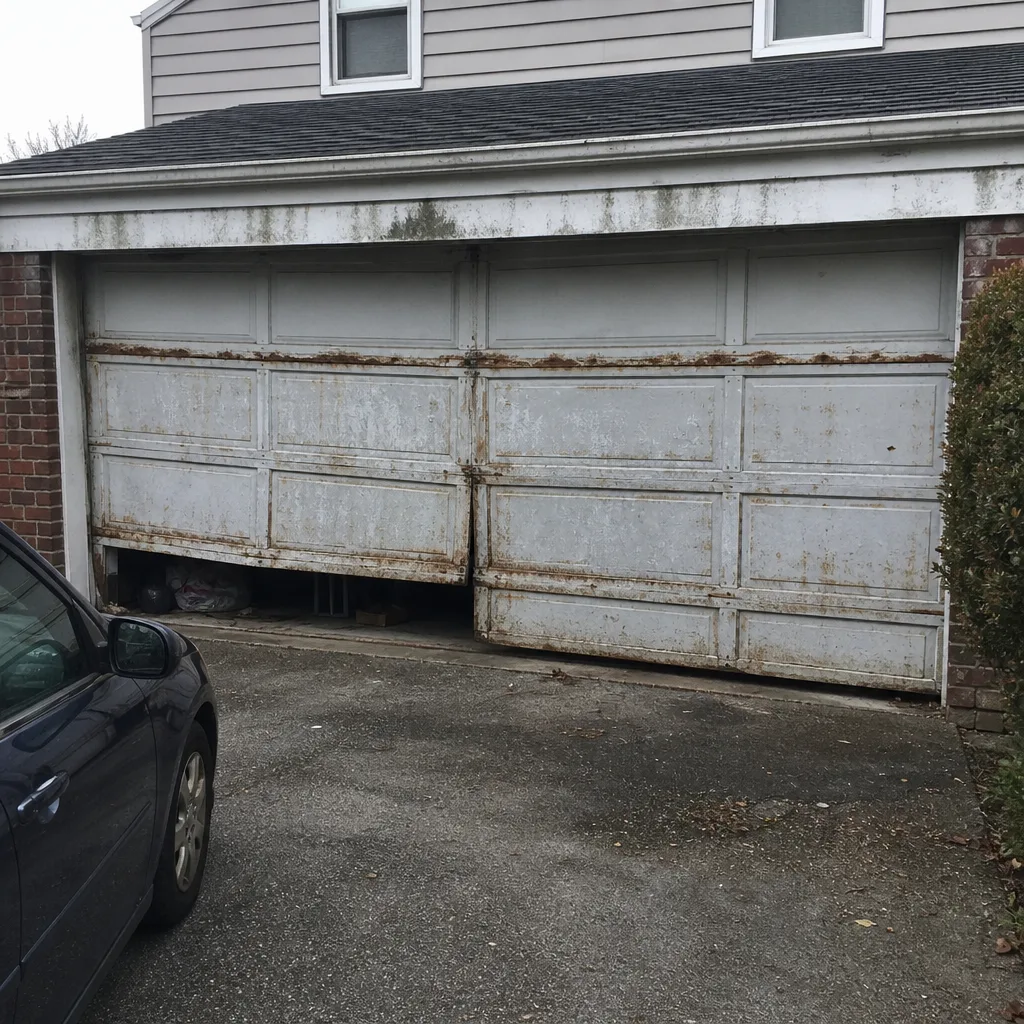 Before
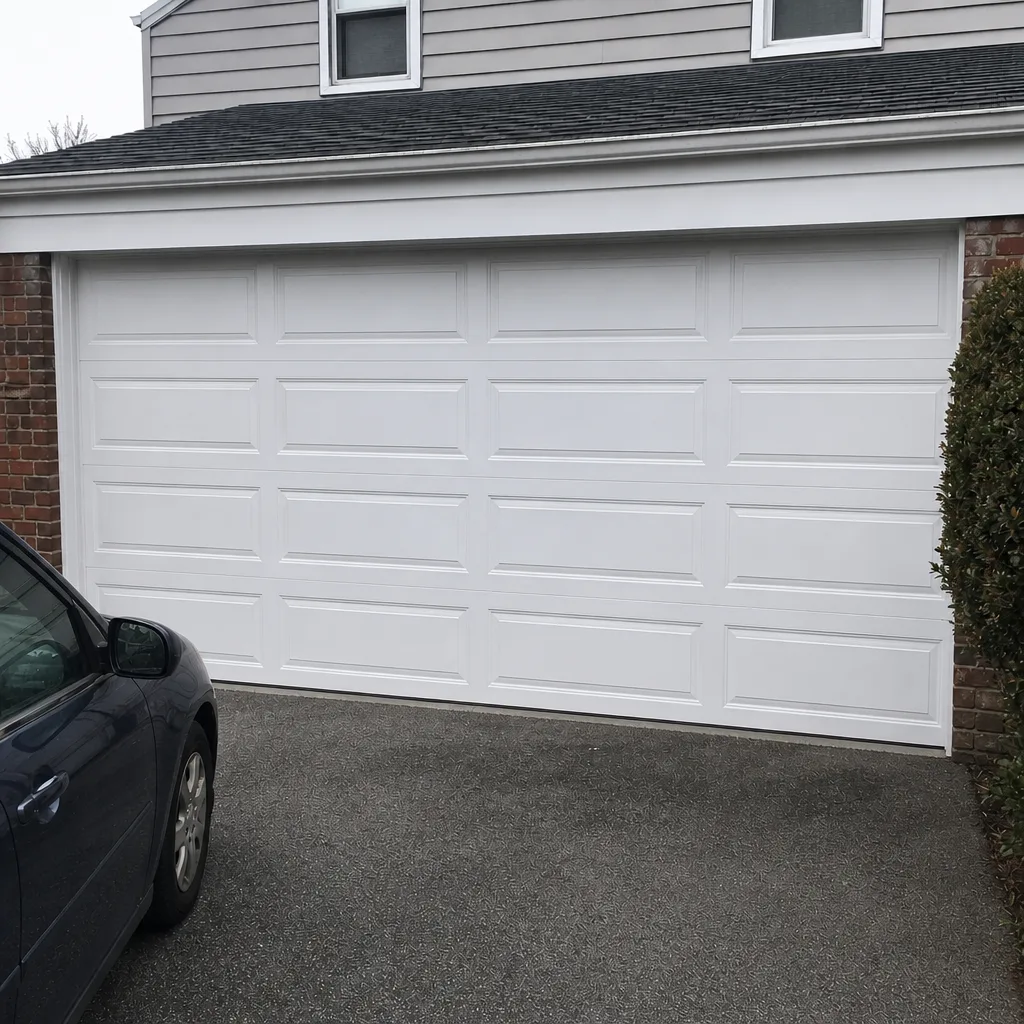 After
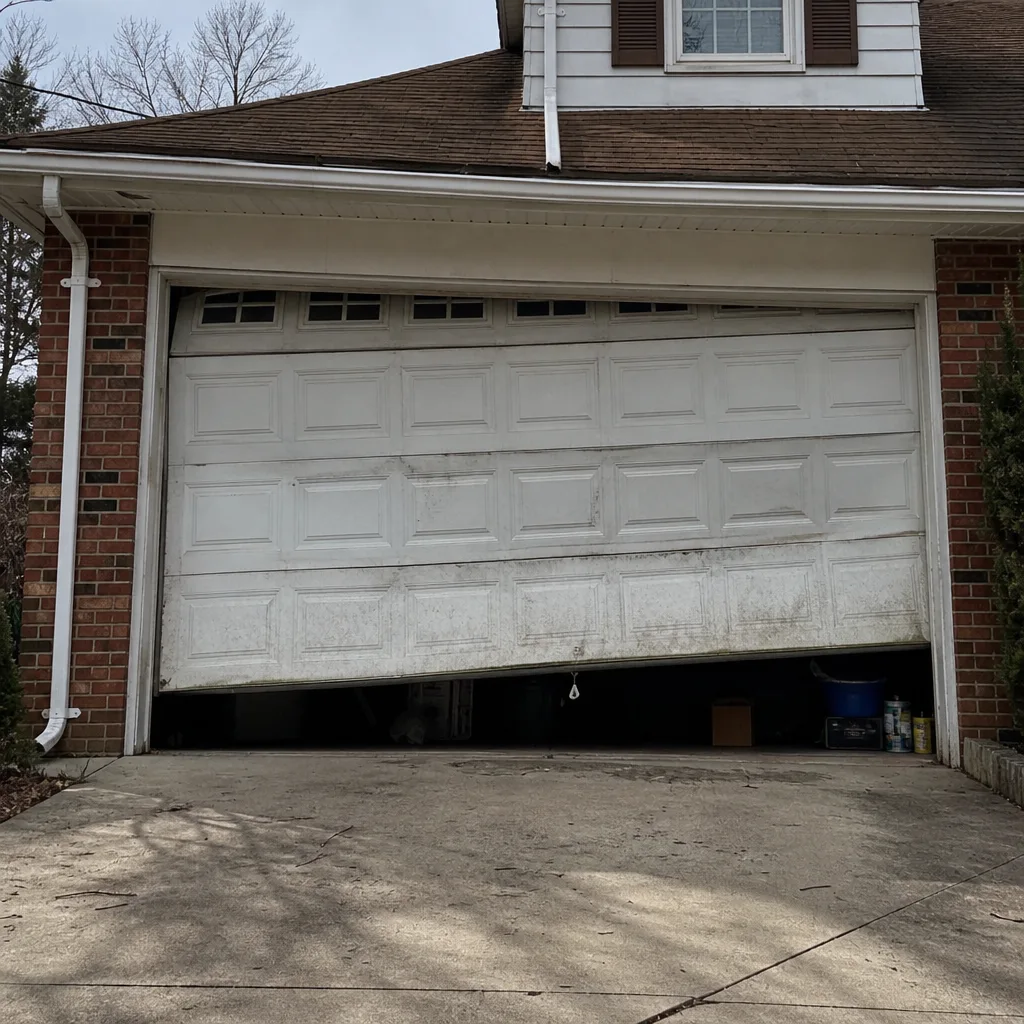 Before
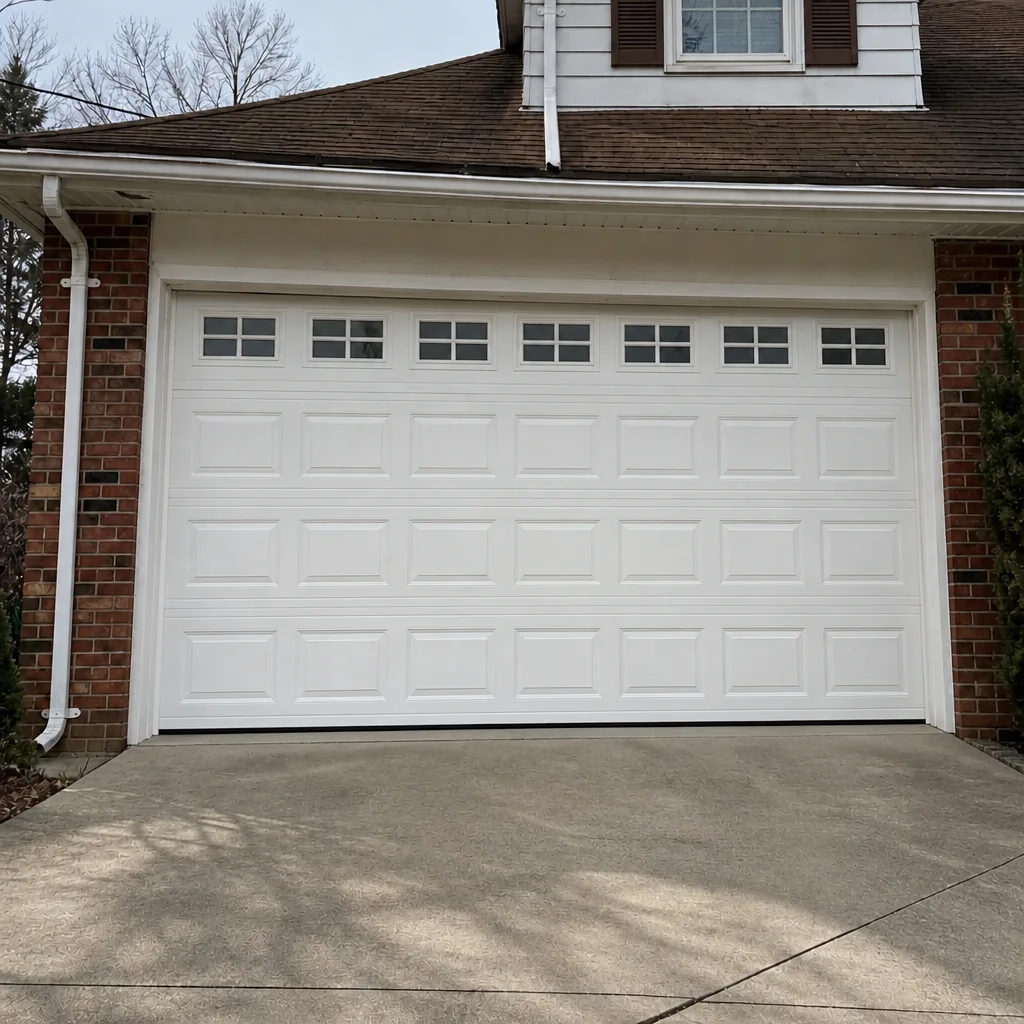 After
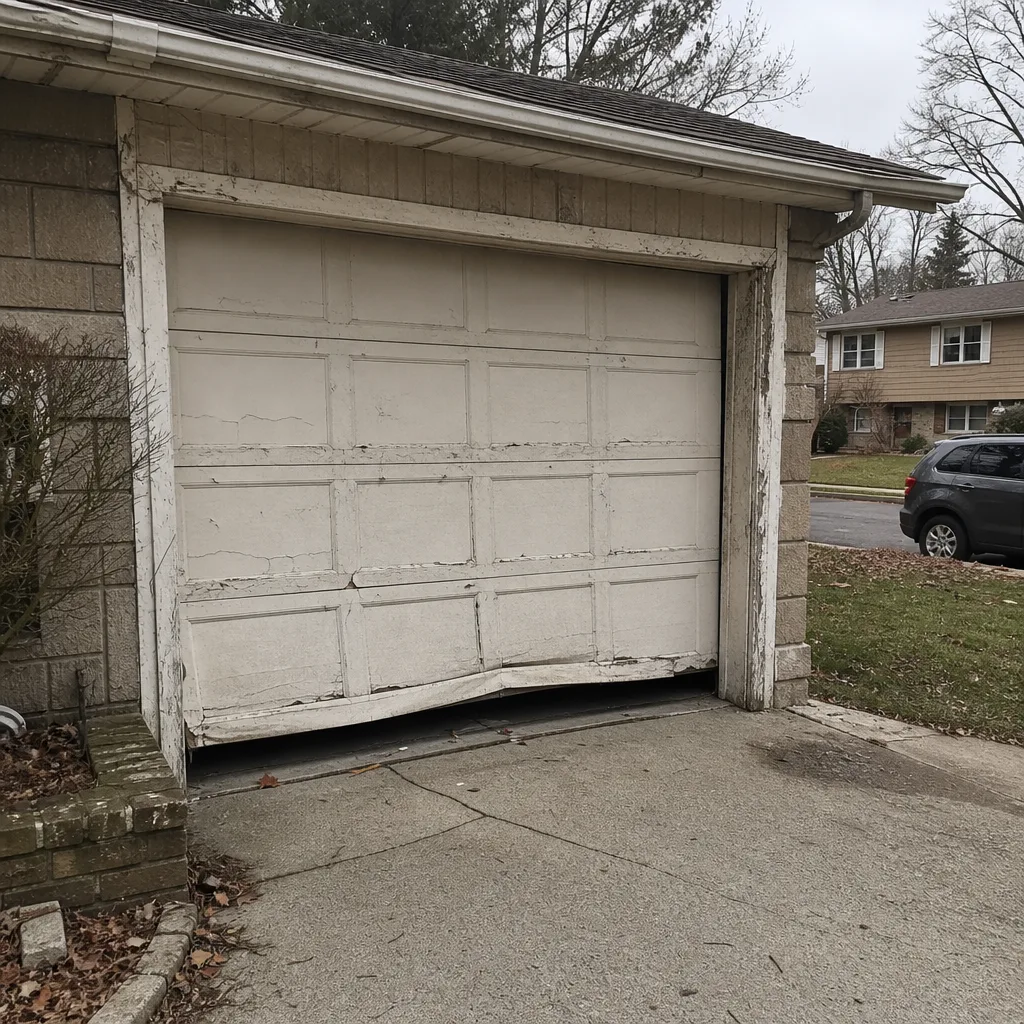 Before
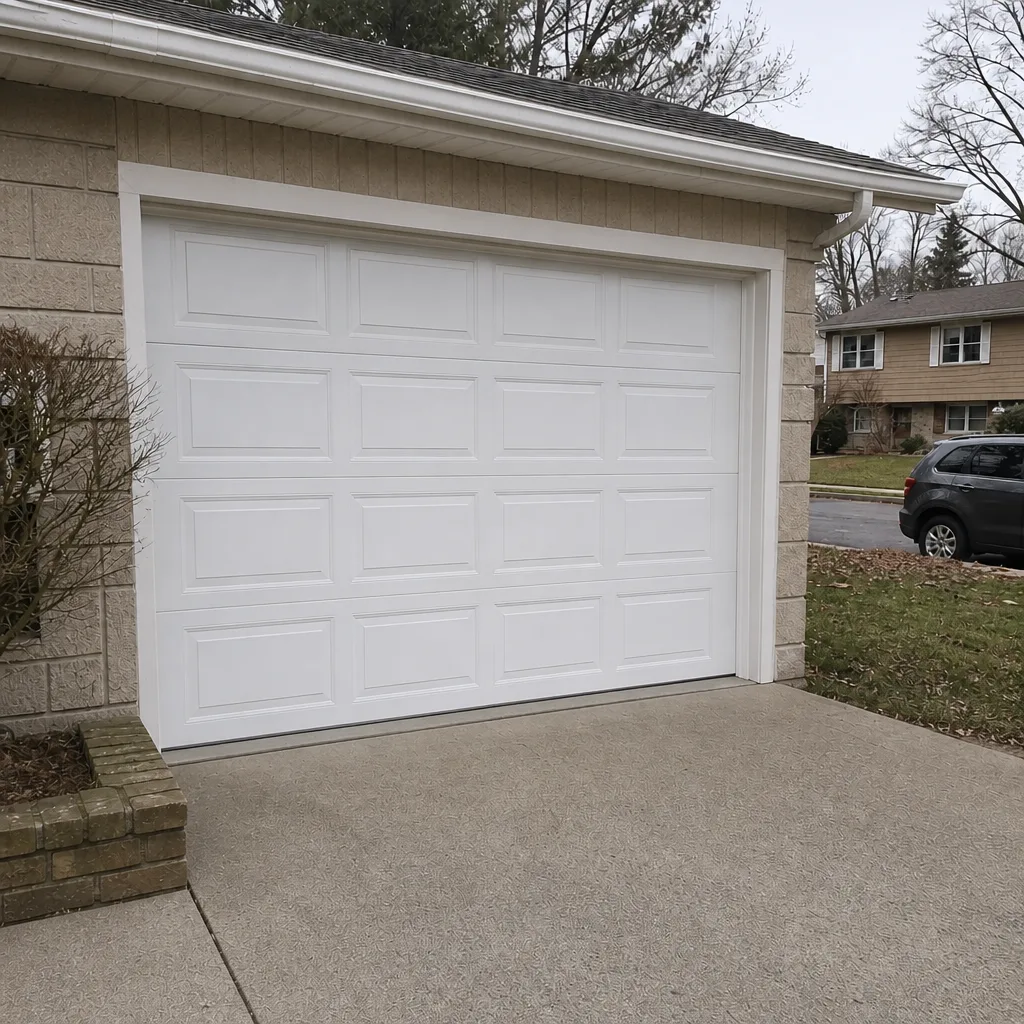 After
When to Call a Professional
Call a professional the moment you suspect a spring failure, hear a sharp bang from the garage, or find the door won’t lift with moderate effort. Broken springs and cables are dangerous and need a trained technician. Also call if your opener won’t respond after a full reset, if the door binds or scrapes after a wind event, if the release cord is jammed, or if your car is trapped and the door won’t move safely. We run same-day and emergency service for exactly these situations in Fort Lee. Our Garage Door Repair Fort Lee team offers free estimates, and the price is quoted and agreed before any work starts – no surprises after the fact. Garage Door Repair Fort Lee offers free estimates in Fort Lee – call (877) 806-9927.
Frequently Asked Questions
Yes. A broken spring is one of the most common same-day and emergency calls we handle in Fort Lee, and our technicians have up to 11 years of experience with spring repair. Call (877) 806-9927 and we’ll get you scheduled – the local pro is licensed and insured as their state requires, and you’ll get a written price before work begins.
Most emergency repairs – a spring replacement or an opener fix – are quoted per job after we assess the door, and the written estimate sets the final price. Spring replacement is usually done as a matched pair, since springs age together, so a pair costs about twice a single spring. Call (877) 806-9927 for an exact quote – estimates are free.
On most chain and belt drive openers in Fort Lee homes, it’s a red cord or T-handle hanging from the trolley. On side-mount jackshaft openers, it’s a lever or cord on the side unit. Pull it straight down and slightly toward the door, firmly and steadily – never at an angle, or you’ll jam the trolley.
Try a logic board reset first: unplug the opener, wait a full 60 seconds, plug it back in, and press the wall button. If it responds, you may just need to re-pair your remotes. If it still doesn’t move, don’t keep cycling power – call (877) 806-9927 and we’ll diagnose whether it’s the board, the battery backup, or the safety sensors.
No. A door with a broken spring is very heavy and can come down hard. Don’t try to lift or force it. Secure it with C-clamps on the tracks and call a trained technician – spring and cable work carries serious injury risk and should only be done by a professional.
We service LiftMaster, Chamberlain, Genie, Clopay, Amarr, Wayne Dalton, Craftsman, and Raynor. If you can find the model sticker on the opener or the door’s bottom section, tell us when you call – it helps us bring the right parts the first time. Reach us at (877) 806-9927.
The Bottom Line
Garage door emergencies in Fort Lee follow patterns you can actually prepare for: cold-morning spring failures, post-outage opener problems, jammed release cords, and wind damage on the ridge. The three things worth doing today are finding your manual release and practicing a straight-down pull, keeping a pair of C-clamps and a flashlight near the garage, and saving our number. When a spring goes, don’t force the door – secure it and call. We specialize in garage doors and openers only, we work on your brand, and our technicians have up to 11 years of experience. One call covers repair, spring work, opener issues, and installation. If you’re dealing with a stuck door right now, call (877) 806-9927 for a free estimate and we’ll get you back up and running.
Written by the team at Garage Door Repair Fort Lee.