Last updated November 21, 2026
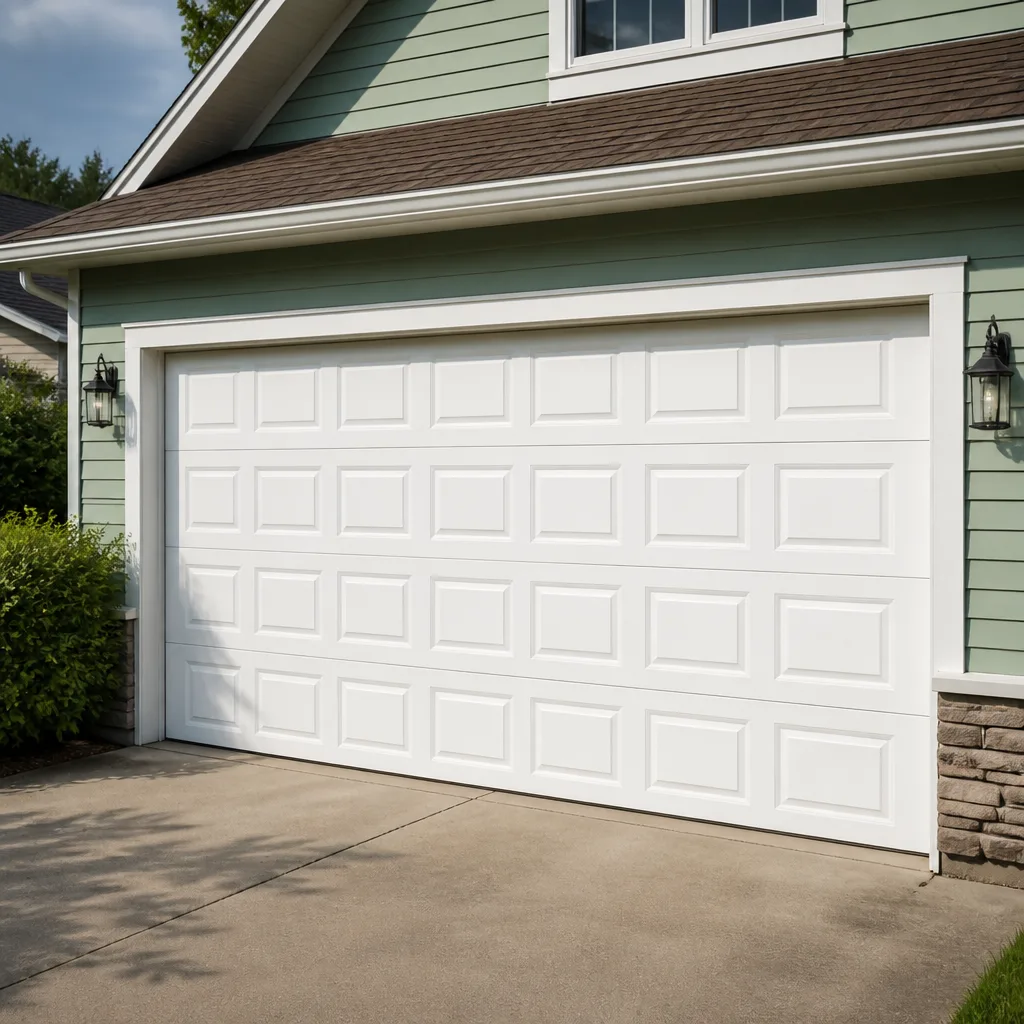 Raised-panel steel
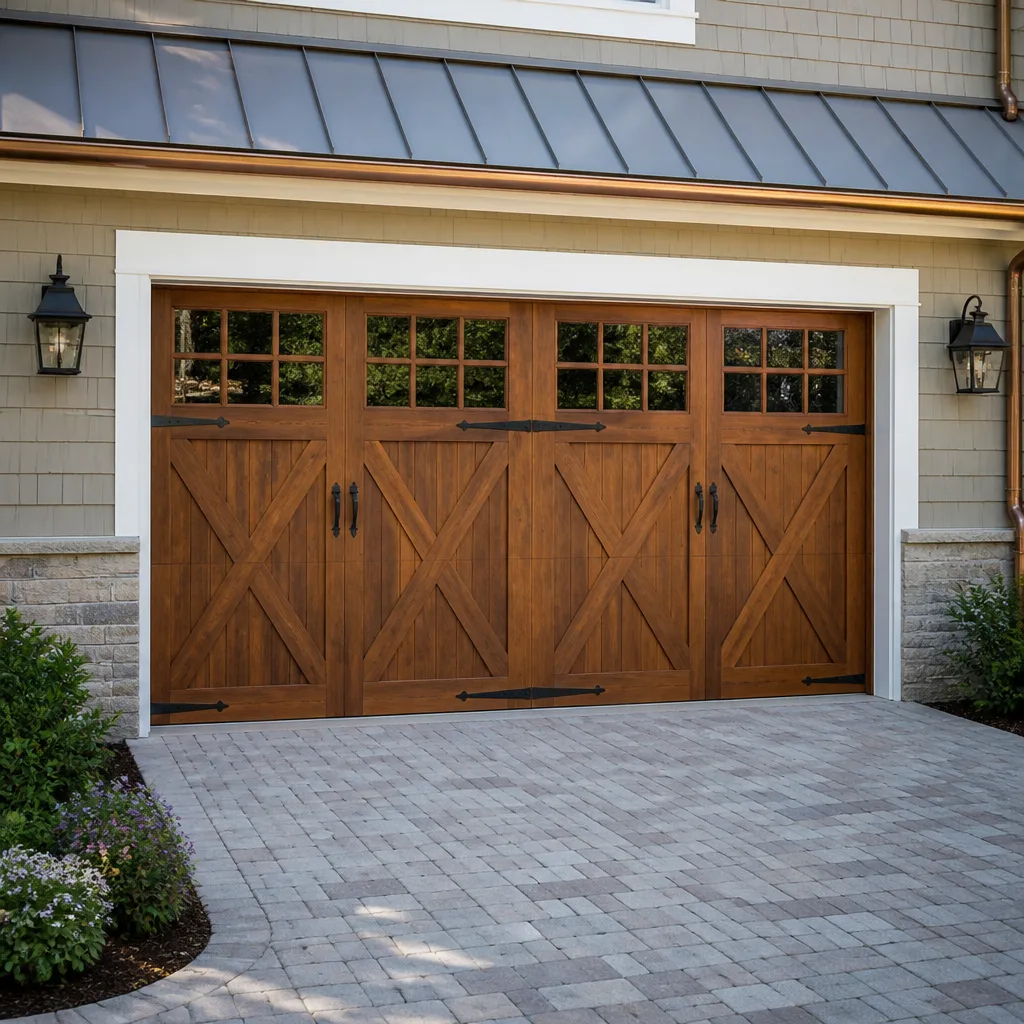 Carriage house
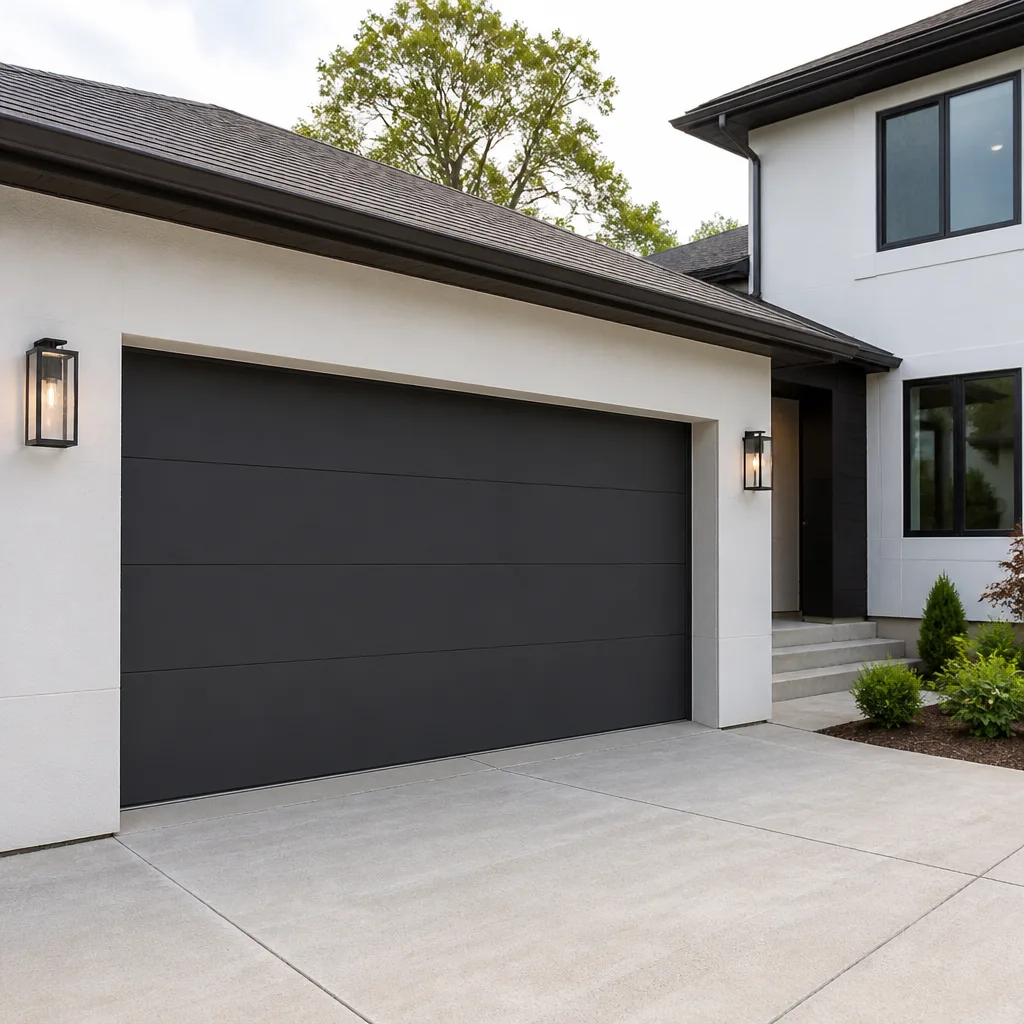 Modern flush
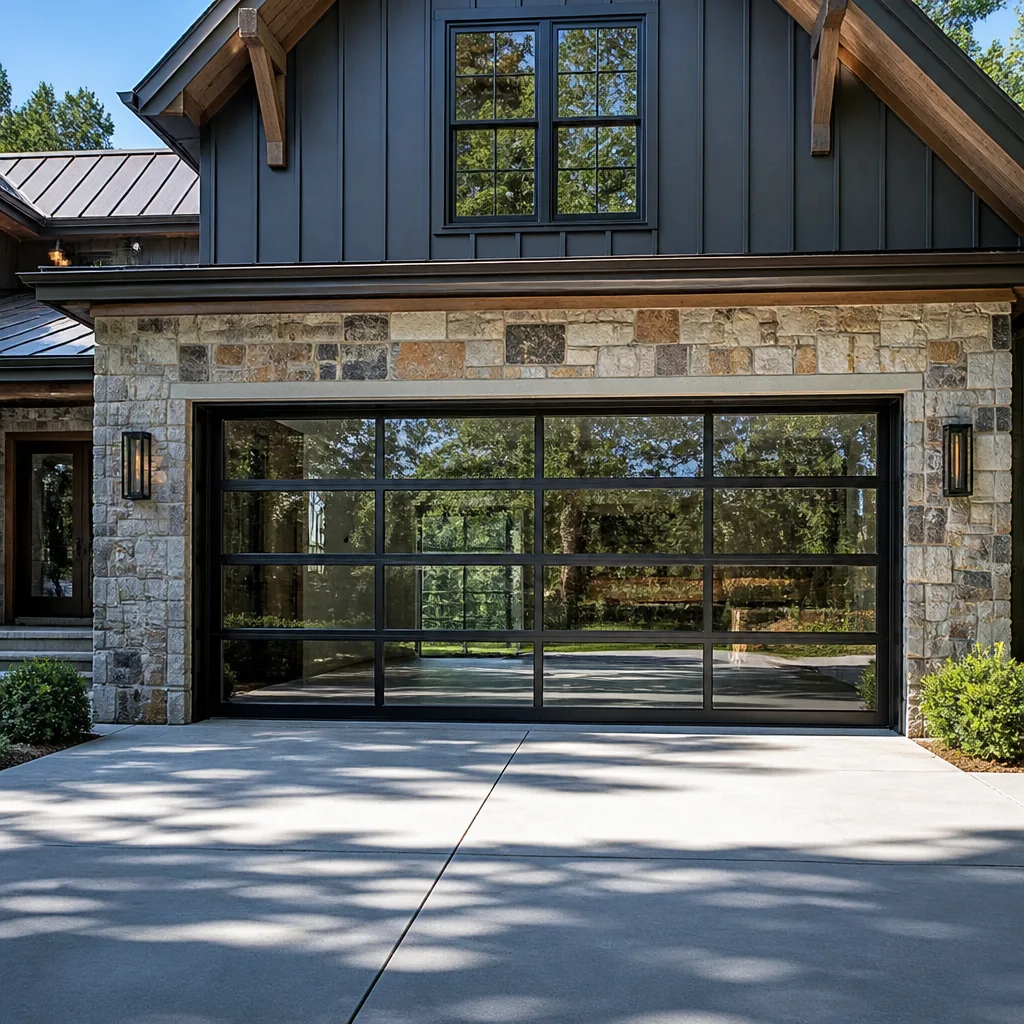 Full-view glass
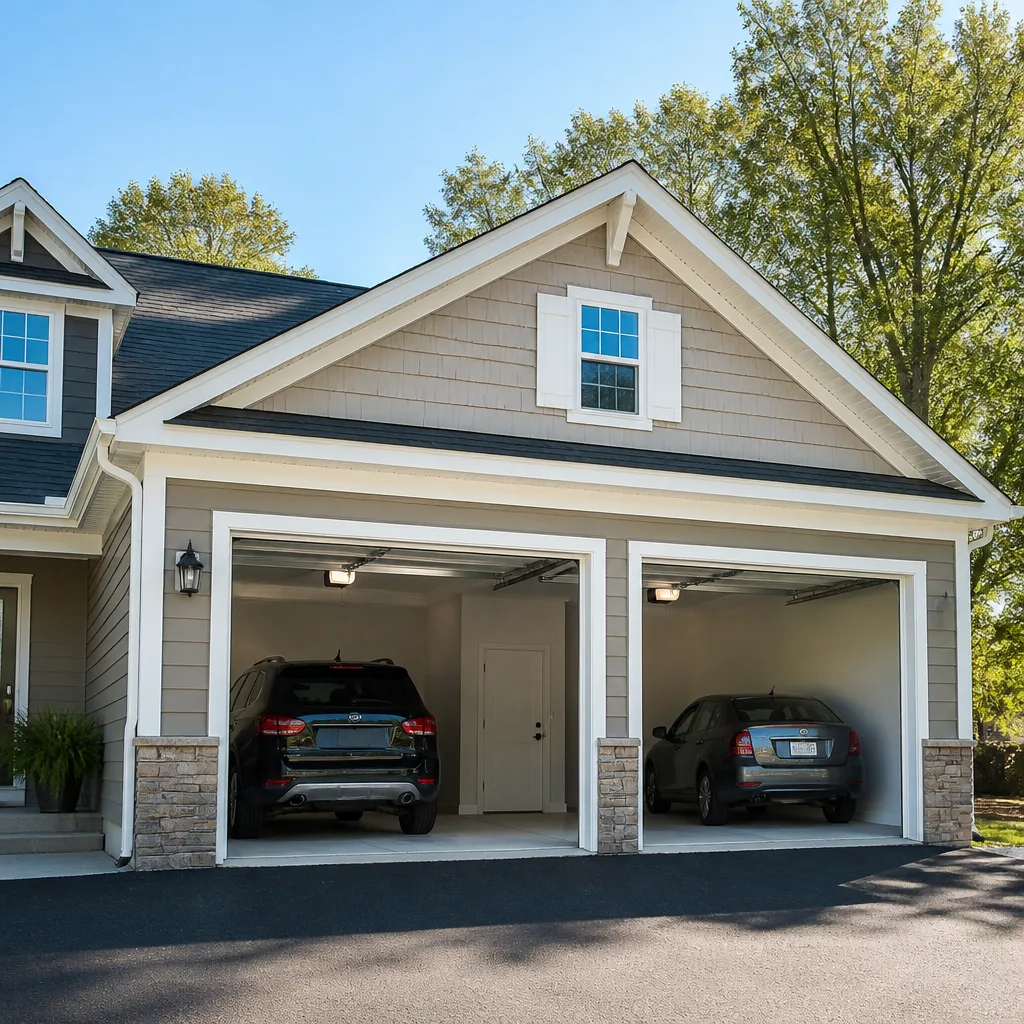 LiftMaster openers
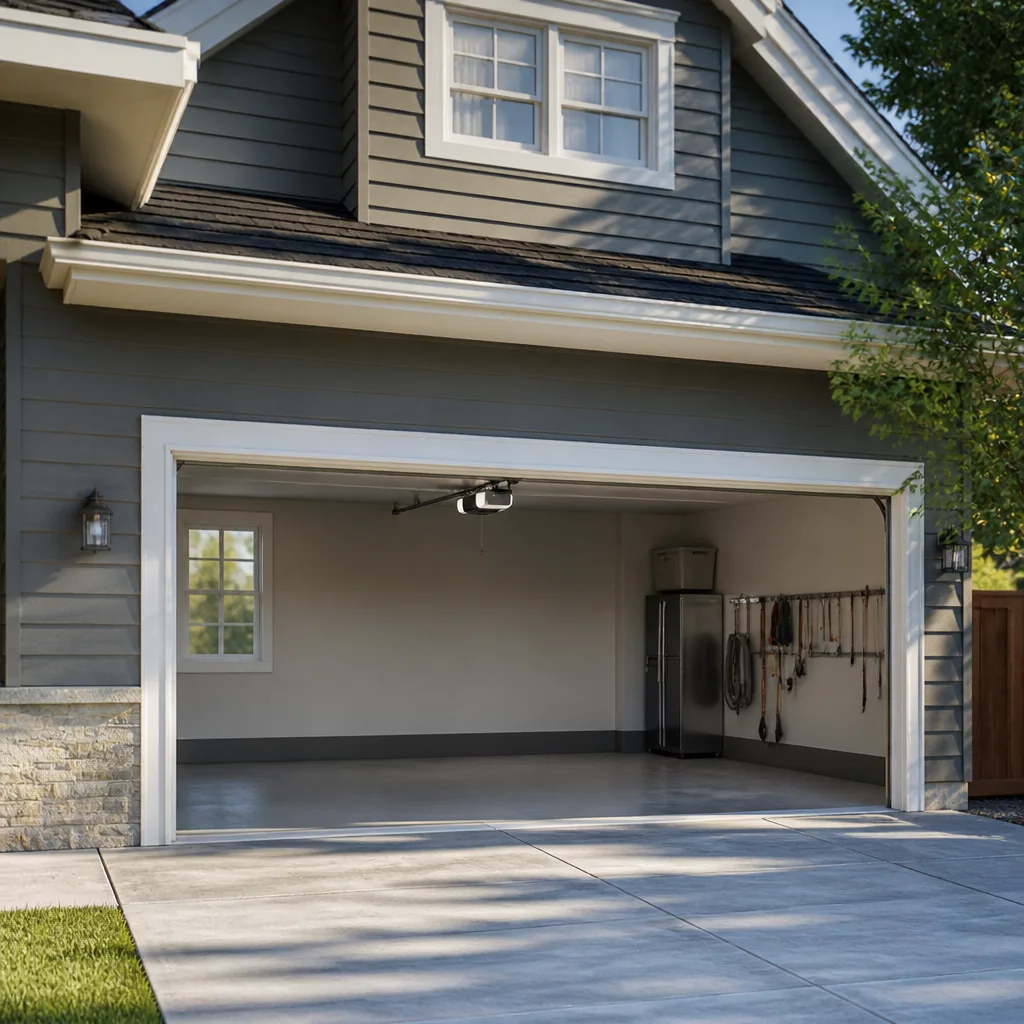 Chamberlain openers
Full 25-point door and opener safety check with every visit - springs, cables, rollers, tracks, and your LiftMaster or Chamberlain opener included
You get a price before we start. It does not change when the pro arrives.
Get your free estimateGarage Door Cost Breakdown: The Fort Lee Homeowner’s Reference for 2026
The $800 garage door you see advertised online almost never lands at $800 in Fort Lee. That headline price covers a bare door panel and nothing else, and it ignores the $150 to $300 in hardware upgrades that most Fort Lee installations actually require once a technician looks at what’s really in the opening: higher-cycle springs for a door that cycles several times a day, reinforced tracks for an older attached garage frame that has settled, or a low-headroom conversion kit for the tight clearances common in the borough’s mid-century homes. This guide walks through a real line-item breakdown for a 2026 Fort Lee replacement, explains where construction grade and opener brand shift the number, and shows which upgrades actually pay you back over a decade of daily use.
Quick Answer
A typical single-car garage door replacement in Fort Lee runs roughly $1,800 to $4,200 installed in 2026, covering the door panel, tracks, springs, cables, hardware, labor, and haul-away. Add $450 to $1,100 if you’re replacing the opener at the same time, and budget $200 to $400 more for the upgrades (high-cycle springs, nylon rollers, battery backup) that make the most sense for a door that gets used every day. A written estimate is the number that matters, and it should be agreed before any work starts.
Styles & brands we work with
- Raised-panel steel
- Carriage house
- Modern flush
- Full-view glass
- LiftMaster openers
- Chamberlain openers
Table of Contents
- What a Fort Lee Door Replacement Actually Costs, Line by Line
- 24-Gauge vs. 25-Gauge Steel: Where the Cost Difference Shows Up
- What “Insulated” Really Means Across R-6, R-12, and R-16
- How Opener Brand Choice Affects Cost and 5-Year Parts Availability
- The Three Upgrades With the Clearest ROI in Fort Lee
- Repair or Replace: The Decision That Changes the Number Most
- Why Brand Familiarity Changes the Price You Pay for Service
- How a Written Estimate in Fort Lee Should Be Built
What a Fort Lee Door Replacement Actually Costs, Line by Line
The number that matters isn’t the sticker on the door. It’s the total of every part and every hour that goes into getting the door hung, sealed, balanced, and connected to a working opener. Here’s how a typical single-car replacement breaks down in Fort Lee in 2026.
| Line Item | Typical 2026 Range (Fort Lee) | What Drives the Number |
|---|---|---|
| Door panel (single-car steel, insulated) | $750 – $1,900 | Gauge, insulation rating, window options |
| Vertical and horizontal tracks | $120 – $260 | Standard vs. reinforced; low-headroom kits run higher |
| Springs (torsion, matched pair) | $180 – $340 per spring; $360 – $680 per pair | Standard cycle vs. high-cycle |
| Cables and drums | $60 – $140 | Included in most full installs; replaced if worn |
| Rollers and hinges | $40 – $120 | Plastic vs. nylon vs. steel rollers |
| Weather seal and bottom threshold | $30 – $90 | Frame style; older openings need more |
| Opener (if replacing) | $450 – $1,100 installed | Belt vs. chain, smart features, battery backup |
| Labor | $350 – $700 | Access, headroom, frame condition |
| Old door haul-away and disposal | $75 – $150 | Door weight, recycling access |
Add it up and a single-car installation in Fort Lee lands in the $1,800 to $4,200 range, with a double-car door pushing higher. That spread isn’t arbitrary: a lighter, non-insulated steel door on a straightforward opening sits at the low end, and a heavier insulated door with a new opener on an older Fort Lee garage with settled framing sits at the top. This is why we quote the total before we touch anything, and why the written estimate sets the final price rather than a phone range.
24-Gauge vs. 25-Gauge Steel: Where the Cost Difference Shows Up
Every steel garage door is sold with a gauge number, and lower is thicker. A 24-gauge door uses heavier steel than a 25-gauge door. At the counter, the 25-gauge door often looks a few hundred dollars cheaper. Over the life of the door in Fort Lee, that gap has a way of closing.
Thinner steel flexes more. A door that flexes over thousands of open-and-close cycles works its hinges, rollers, and spring harder, and it dents more easily from a stray bicycle or a shovelled walkway. In a part of New Jersey where winter temperature swings are routine and the door is the biggest moving surface on the house, the steel is under constant load. A 24-gauge door holds its shape better, which means the panels keep their alignment and the hardware doesn’t take up slack it wasn’t designed for.
Where the math actually lives:
- Upfront: 25-gauge typically costs less; 24-gauge typically costs more by a modest margin.
- Hinge and roller wear: Thinner panels flex more and tend to wear those consumables faster.
- Dent tolerance: A heavier panel survives impact better and keeps its finish.
- Resale impression: Buyers in Fort Lee notice a solid-feeling door on a walkthrough.
If the door you’re replacing has lasted a long time with daily use, there’s a reason. Installing the heavier gauge tends to be the cheaper long-term decision in a home where the door runs several times a day, and it’s the choice we usually recommend when a Fort Lee homeowner asks which way to lean.
What “Insulated” Really Means Across R-6, R-12, and R-16
If you’ve shopped for a garage door, you’ve seen the numbers R-6, R-12, and R-16. These are insulation ratings. Higher means the door resists heat transfer better. What the number doesn’t tell you is whether your Fort Lee garage will actually benefit from paying for the higher grade.
An attached garage is the important case. When the garage shares a wall with the living space, an insulated door slows the heat that leaks through that shared wall in winter and the heat that presses in during summer. A basic R-6 door helps a little. An R-12 door helps noticeably more if the garage wall behind it is insulated too. An R-16 door is the premium option and rarely earns its cost unless the garage is conditioned space, a workshop, or a room you actually spend time in.
Detached garages are the simpler call. If nothing climate-controlled is on the other side of the door, an insulated door mostly buys you a sturdier, quieter panel and a better finish. Many Fort Lee homeowners in that situation are better off putting the cost difference into a heavier gauge door or higher-cycle springs, both of which work harder for them every single day.
Here’s the practical way to think about it:
- Attached garage with insulated shared wall: R-12 is usually the right balance of cost and comfort.
- Attached garage, uninsulated shared wall: Fix the wall before you fix the door; insulation savings won’t reach you otherwise.
- Conditioned garage or workshop: R-16 makes sense if the door has to hold a real indoor temperature.
- Detached garage: Choose on durability and finish, not on the R-value alone.
How Opener Brand Choice Affects Cost and 5-Year Parts Availability
The opener is the part of the system you interact with every day, and the brand you pick changes both the upfront cost and what you’ll spend keeping it running five years out. The three names you’ll see most often in Fort Lee are LiftMaster, Chamberlain, and Genie. They’re all solid; they’re just positioned differently.
LiftMaster sits at the professional end of the lineup. It tends to cost more upfront, but the parts network is deep and compatible, so when you need a logic board, a travel module, or a wall console five years from now, the parts are findable and the technician already knows the system.
Chamberlain shares a lot of engineering DNA with LiftMaster and is often the value-priced choice for the same general capability. The trade-off is that some models use consumer-facing components that can be slower to source if a specific part fails.
Genie is widely installed and reliable, with a strong legacy footprint. Modern smart models add Wi-Fi and app control, which is where a lot of recent Fort Lee installations land. The cost difference is real but modest, and the deciding factor is often what a homeowner already has at home.
Five-year parts math usually comes down to three questions:
- Is this model still in production, or is it a legacy unit where parts availability is narrowing?
- Is the control board and travel assembly shared with other models, which keeps replacement cost down?
- Does it use a standard battery backup module, which is easier to replace when it ages out?
Our technicians are factory-familiar with LiftMaster, Chamberlain, Genie, Clopay, Amarr, Wayne Dalton, Craftsman, and Raynor equipment, which in practice means we walk in recognizing the model, its parts profile, and its known failure points. That shortens the diagnostic step. It’s worth a look at our garage door opener repair page if your existing unit is the thing giving you trouble. And if the spring is what’s broken, that’s a separate and more urgent conversation.
The Three Upgrades With the Clearest ROI in Fort Lee
Not every upgrade earns its cost, and a good estimate won’t load up on add-ons. Three specific upgrades do pay for themselves in Fort Lee’s climate and housing stock, and we’ll tell you why each one matters.
- High-cycle springs. A standard spring is rated for a certain number of open-and-close cycles. A high-cycle spring is rated for substantially more. If your door opens and closes four to eight times a day (typical for a Fort Lee household), the high-cycle spring lasts years longer than the standard one. The upfront difference is modest compared to the cost of replacing the same spring again sooner. Spring work is one of the highest-risk jobs in this trade; it’s the one we never recommend anyone take on without training, because the tension stored in those springs can cause serious injury if a cable or winding bar slips.
- Nylon rollers. Plastic rollers wear quickly and get noisy. Nylon rollers run quieter, hold their shape longer, and put less wear on the track. The cost bump is small, and the difference in how the door feels and sounds after a couple of years is noticeable.
- Battery backup openers. When the power goes out in a storm, a standard opener is dead and the door has to be released manually. A battery backup module lets the door keep working through an outage, which matters more if the garage is also your main exit or where the car is. Many LiftMaster and Chamberlain units support this; the cost is usually bundled into the opener choice rather than added separately.
The rest of the add-on list (windows, decorative hardware, premium finishes) is a style choice, not a durability one. We’ll quote them if you want them, but we won’t push them as if the door won’t work without them. Our garage door repair page covers the smaller fixes worth doing before you commit to a replacement.
Repair or Replace: The Decision That Changes the Number Most
Before any cost discussion, the real question is whether the door you have is worth repairing. The answer usually comes down to four things.
Repair makes sense when:
- The panels are intact and the door is balanced and runs smoothly.
- The problem is a single failed component: a broken spring, a frayed cable, a worn roller, a snapped hinge, a dead opener.
- The opener is recent and only needs a logic board or a battery.
- The tracks and hinges are in good shape.
Replace makes sense when:
- Multiple panels are cracked, dented through the finish, or rusted along the bottom edge.
- The tracks are bent or the door keeps going out of alignment.
- The opener is aging out and the door is already showing wear.
- The door is no longer secure and the weather seal gaps are significant.
The cost comparison is straightforward: a spring replacement in Fort Lee runs in a modest range for one spring ($180 to $340) with a matched pair typically costing about twice that. A full replacement runs from the low thousands up. If the door is in good shape, repair is almost always the better call, and we’ll say so on the estimate rather than quote you a full replacement you don’t need.
Why Brand Familiarity Changes the Price You Pay for Service
A technician who has to figure out your door from scratch on the day of the service spends more time on it, and that time shows up in the bill. A technician who has seen that exact model dozens of times already knows where the adjustment points are, which parts tend to fail, and how the system is likely to be installed.
Our technicians are factory-familiar with equipment from LiftMaster, Chamberlain, Genie, Clopay, Amarr, Wayne Dalton, Craftsman, and Raynor, and our technicians have up to 11 years of experience with these brands. In practice that means less time diagnosing, fewer calls back for a door that doesn’t quite balance, and a clearer sense of when a repair is worth doing versus when a component is at the end of its life.
The brands we don’t work on are worth naming, because it saves you a phone call. If your opener or door is from a manufacturer outside that list, we’ll tell you honestly and point you in the right direction rather than take the call and learn on your equipment.
For a full picture of what we cover, start with Garage Door Repair Fort Lee. If a spring has snapped, that’s the highest-priority call and the one to make today; the garage door spring repair page explains why.
How a Written Estimate in Fort Lee Should Be Built
A written estimate is the only price that counts. Here’s how a sound one gets built, step by step, and what to ask for when you request one.
- Measure the opening. Width, height, and headroom in the garage. An older Fort Lee attached garage can have tighter headroom than a newer build, which sometimes means a low-headroom kit and a slightly higher number.
- Confirm the existing door’s condition. Panels, tracks, hinges, spring type, and frame. Settled framing or rusted tracks add labor.
- Check the opener. Model, age, and whether it’s compatible with the new door’s weight and travel. A mismatched opener is a common hidden cost.
- Choose the door and insulation. Gauge, R-value, and finish. This is where most of the spread in the total comes from.
- Decide on the upgrades. High-cycle springs, nylon rollers, and battery backup if they make sense for the household.
- Write the number down. Parts, labor, haul-away, and any optional line items listed separately so you can see exactly what each one adds.
The estimate you leave with should be the price you pay. If something unexpected turns up during the install (a hidden frame issue, a track that can’t be reused), the correct move is to stop, show you the problem, and revise the estimate before continuing, not to add a line item afterward and hope you don’t notice. You can find the full service list behind the estimate on our garage door repair page.
Common Mistakes to Avoid
- Chasing the advertised door price. The $800 number rarely includes the hardware a real install needs. Ask what the total, all-in number is before you compare two estimates side by side.
- Replacing the door without checking the opener. A new door is heavier or lighter than the old one, and an aging opener set up for the old door may burn out early. Have the opener evaluated at the same time.
- Treating gauge as decoration. Going from 25-gauge to 24-gauge costs a little upfront and saves wear on hinges, rollers, and springs over years of daily use.
- Insulating the door while ignoring the shared wall. In a Fort Lee attached garage, the wall between the garage and the house matters as much as the door’s R-value. If that wall isn’t insulated, the door upgrade can’t deliver its full benefit.
- Buying the cheapest springs on a daily-use door. Standard springs wear out faster on a door that cycles several times a day, and replacing them again sooner erases the savings.
- Letting anyone touch torsion springs without training. A torsion spring under load can cause serious injury. This is a job for a trained technician, full stop.
- Accepting a verbal range as a quote. The written estimate is the price. If you don’t have it in writing, you don’t have a price.
See the difference
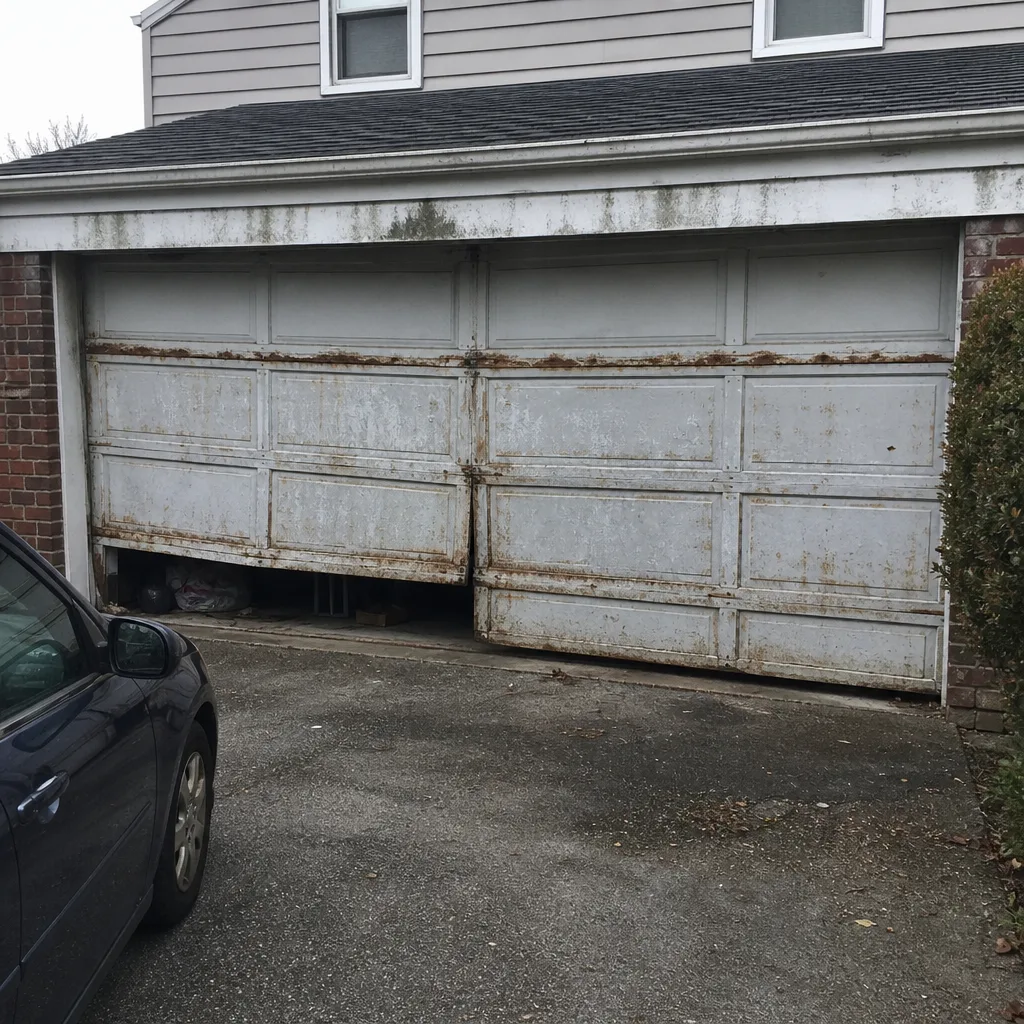 Before
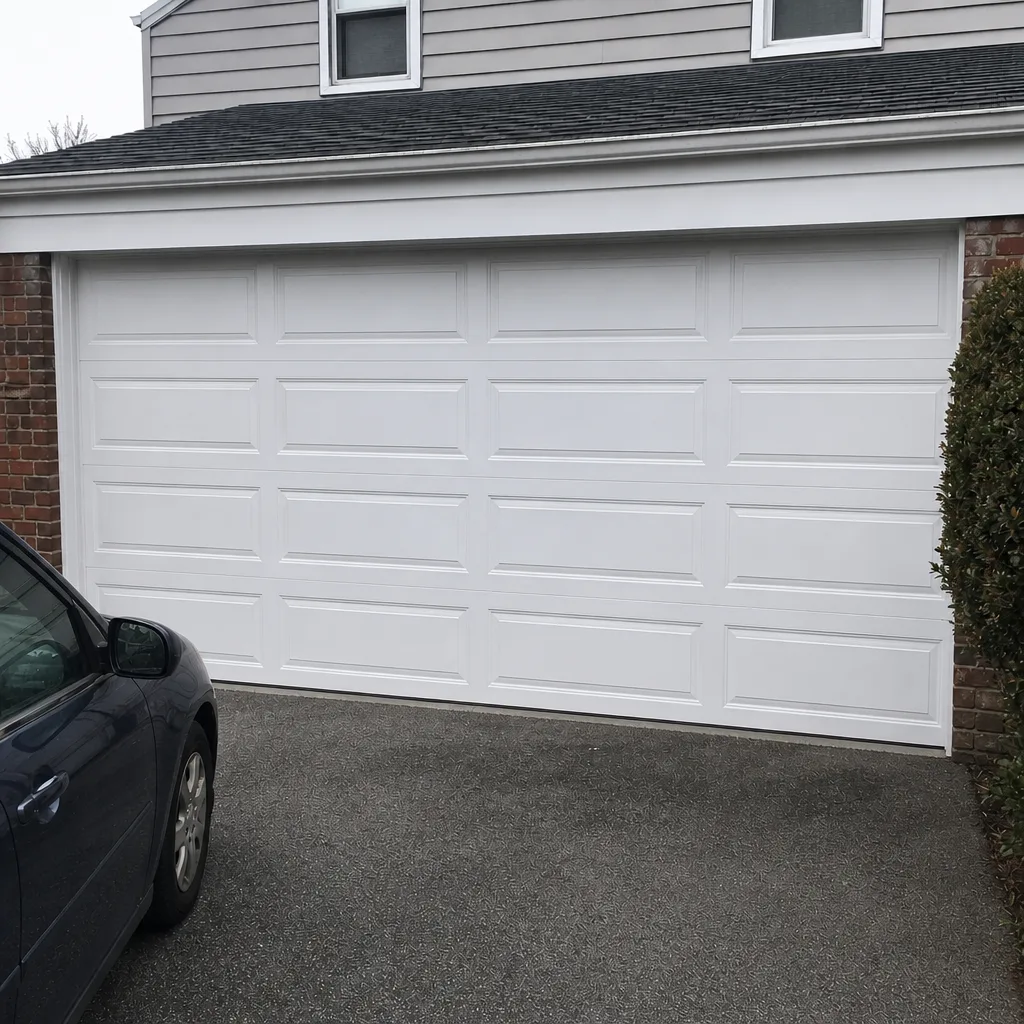 After
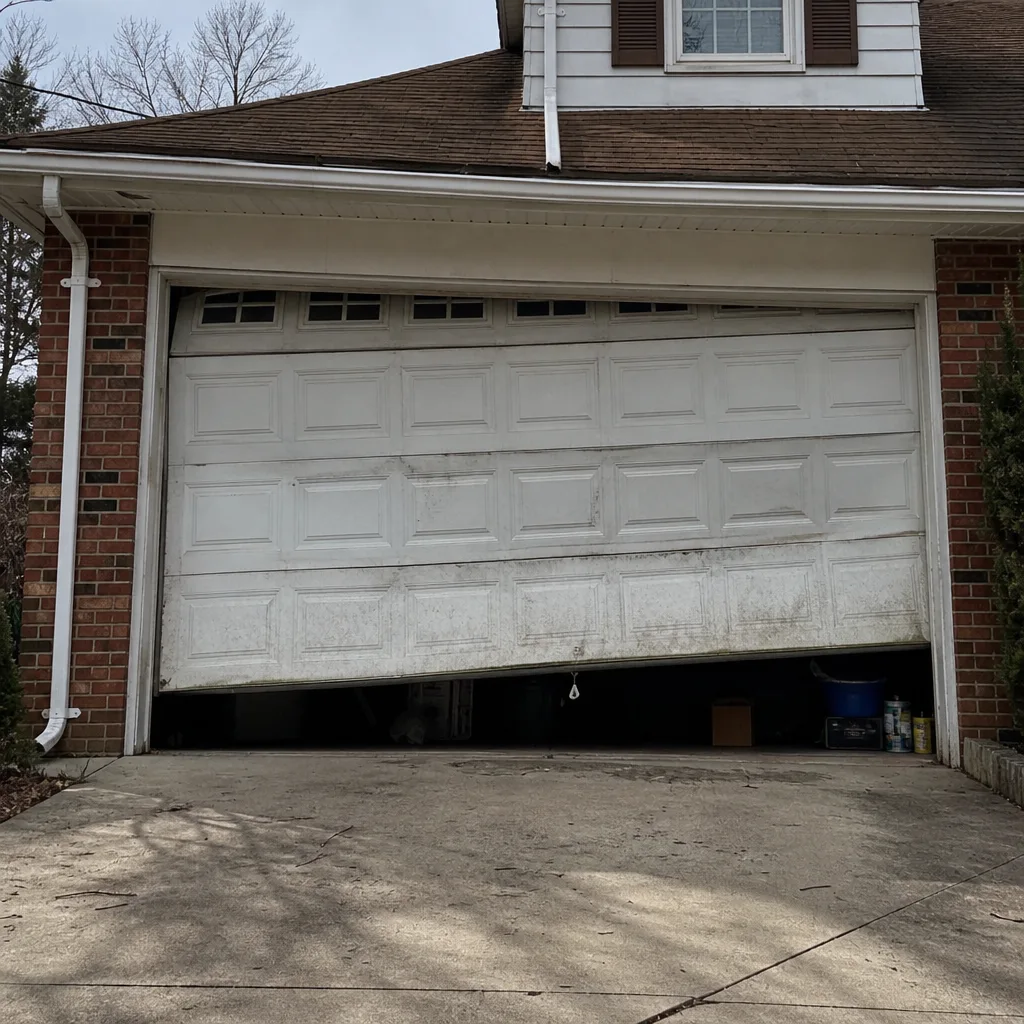 Before
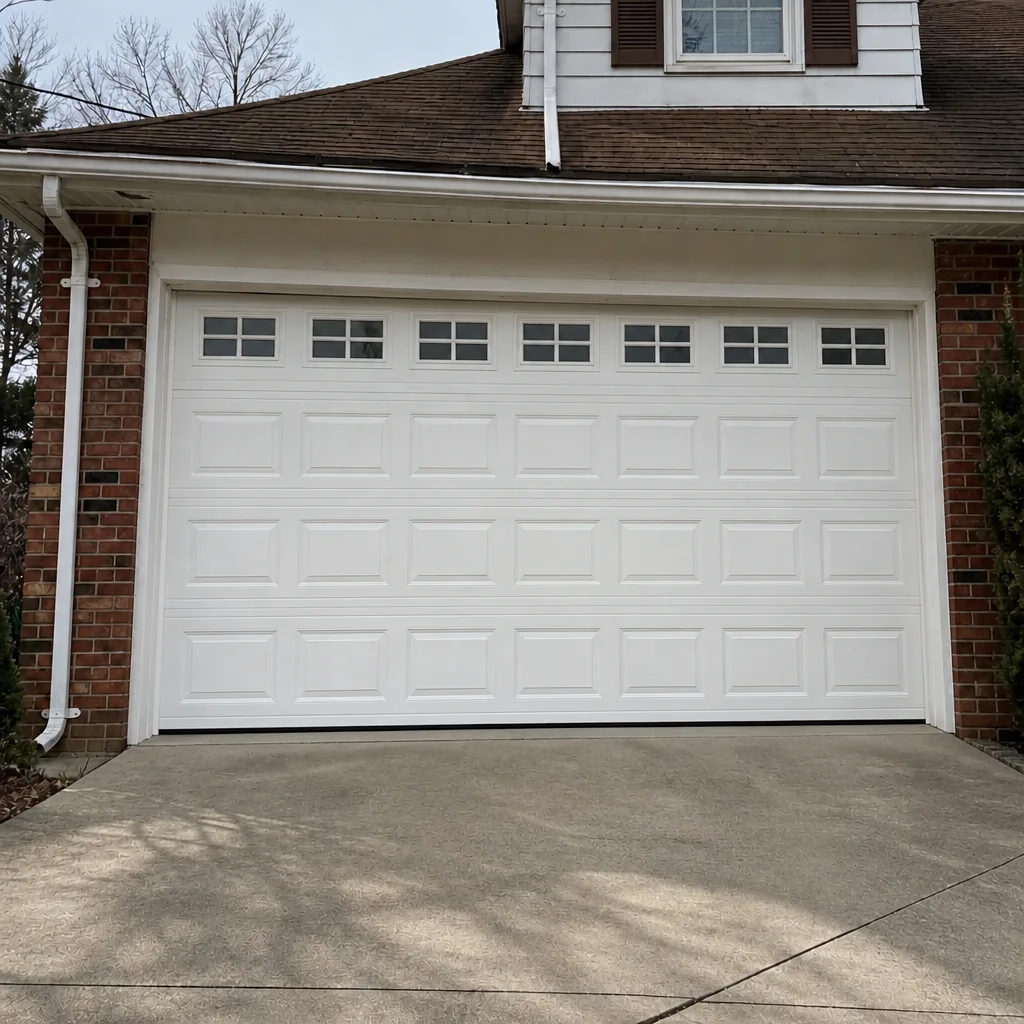 After
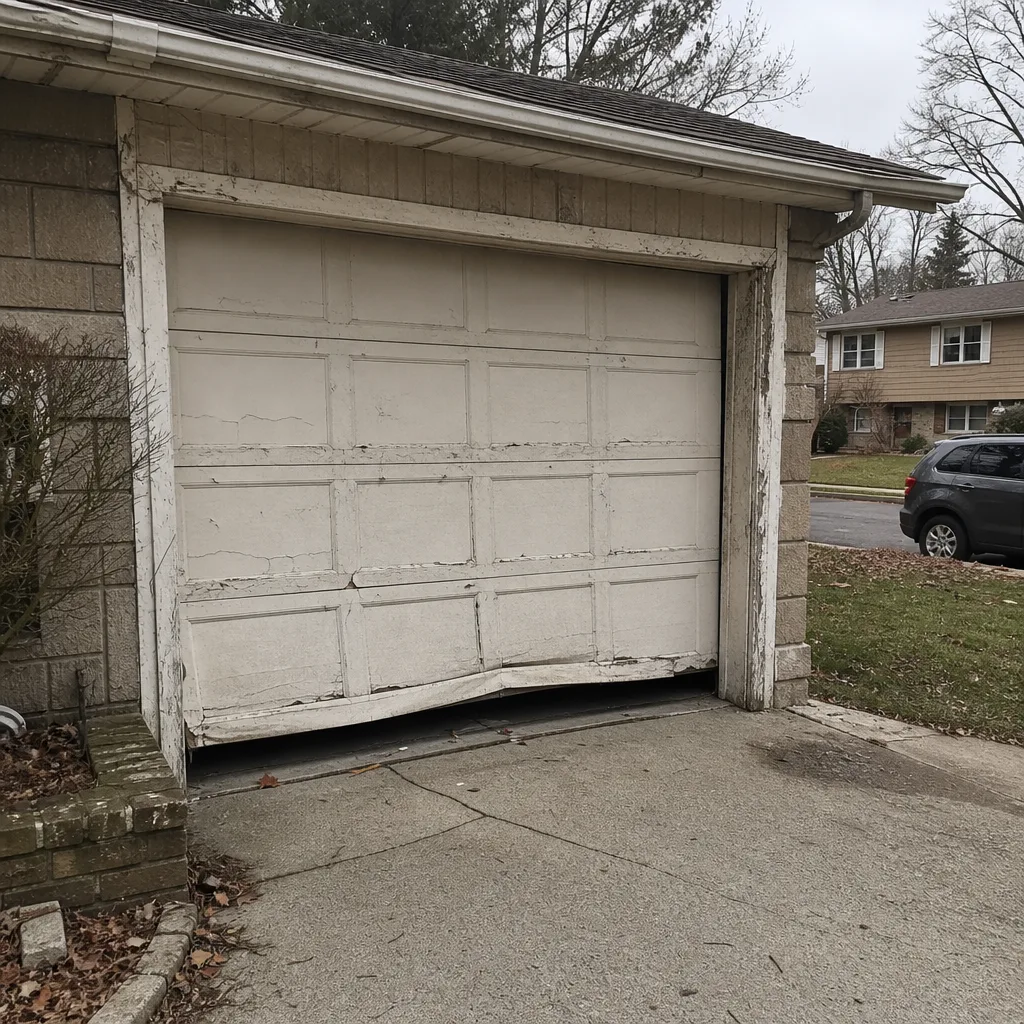 Before
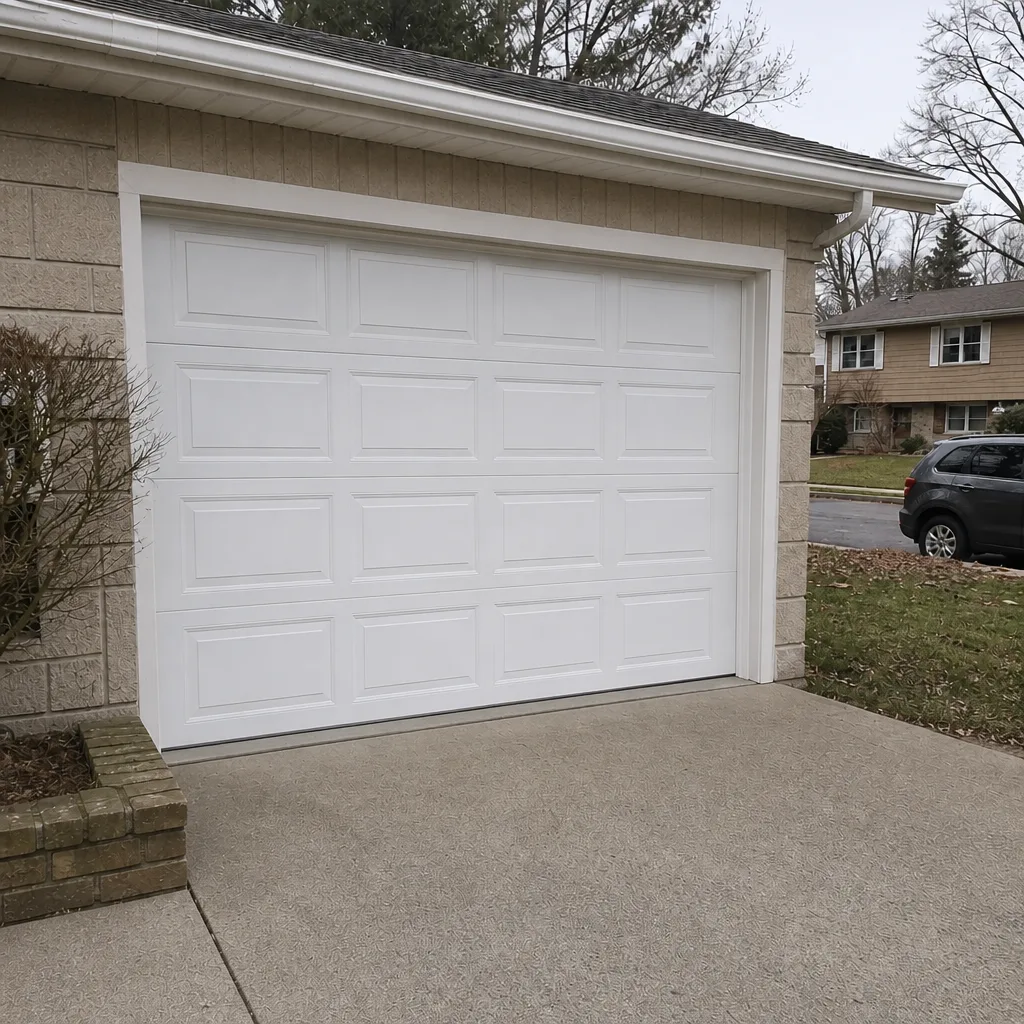 After
When to Call a Professional
Some problems genuinely can’t wait. A snapped spring leaves the door too heavy to lift safely. A frayed or snapped cable can whip loose. A door that’s off its tracks is a hazard to anyone standing near it, and a garage that won’t close overnight is a security problem. If the opener is dead and the door can’t be operated, that’s a call worth making today, because a stuck door often means a car that can’t get out. Our garage door repair service covers the day-of emergencies, and spring failures specifically are handled by trained technicians who know the tension systems well.
Garage Door Repair Fort Lee offers free estimates in Fort Lee, and the price is quoted and agreed before any work starts. Call (877) 806-9927 and we’ll walk through what’s happening with the door.
Frequently Asked Questions
A single-car garage door replacement in Fort Lee typically runs $1,800 to $4,200 installed in 2026, covering the door panel, tracks, springs, cables, hardware, labor, and old door haul-away. Double-car doors run higher. The written estimate you receive after a measure is the price that applies. Call (877) 806-9927 for an exact quote; estimates are free.
We offer same-day emergency service for spring failures, and a snapped torsion spring is exactly the kind of call we prioritize. A door with a broken spring should not be operated by hand; the strain is far higher than it looks. Call (877) 806-9927 and we’ll get you booked in.
It shouldn’t. The price is quoted and agreed before any work starts, and the written estimate sets the final number. If we find something the measure couldn’t show, like a hidden frame issue or a track that can’t be reused, we stop and revise the estimate with you before continuing rather than adding cost after the fact. Call (877) 806-9927 to set up the measure.
The local professional we connect you with is licensed and insured as New Jersey requires. Spring work and opener wiring both carry real risk if done incorrectly, so this is not a job to hand to a generalist. Call (877) 806-9927 with questions about coverage before booking.
It depends on the garage. An attached garage sharing a wall with the living space benefits most from an insulated door, and R-12 is usually the right balance for that setup. A detached garage with nothing climate-controlled on the other side gets less value from the R-value and more from the heavier gauge. Call (877) 806-9927 and we’ll talk through which door fits your garage.
One torsion spring typically runs $180 to $340 installed in Fort Lee. Because springs are usually replaced as a matched pair, the pair usually costs about twice that. Replacing both at once keeps the tension balanced and avoids a second service call when the partner spring fails. Call (877) 806-9927 for an exact quote.
Yes. Our technicians are factory-familiar with LiftMaster, Chamberlain, Genie, Craftsman, Raynor, Clopay, Amarr, and Wayne Dalton, and we handle both legacy units and modern Wi-Fi and app-connected openers. If you’re not sure what you have, the model number on the opener head or the wall console is enough to start. Call (877) 806-9927 and we’ll confirm.
The Bottom Line
The cost of a Fort Lee garage door job is set by a handful of specific choices: the gauge of the steel, the insulation rating, the opener brand and its parts profile, and whether the door you have is worth repairing or replacing. The three upgrades with real ROI here are high-cycle springs, nylon rollers, and battery backup openers, in that order. Everything else is a style decision. The right way to buy a door is to get a written measure, see every line item, and agree on the number before work starts. The written estimate is the price that holds.
If you’d like a free estimate from Garage Door Repair Fort Lee, call (877) 806-9927. Whether it’s a spring, an opener, or a full replacement, one call covers the diagnosis and the plan.
Written by the team at Garage Door Repair Fort Lee.